
Best Roof Underlayments 2026: Comprehensive Expert Guide with Top Picks, Technical Analysis, and Installation Masterclass
- Why Underlayment Matters
- Technical Specifications
- Top Picks 2026
- Manufacturer Comparison
- Climate Recommendations
- Cost Analysis
- Complete Installation Guide
- Building Code Requirements
- Specialty Underlayments
- Fire Ratings & Safety
- Warranty Guide
- DIY vs Professional
- Maintenance & Longevity
- Environmental Impact
- Frequently Asked Questions
- Final Thoughts
Your shingles get all the glory, but the underlayment does the heavy lifting. As the second line of defense against moisture, wind, and ice dams, selecting the right underlayment is arguably more critical than the top layer itself. In 2026, the market has shifted decisively toward high-performance synthetics with advanced moisture management systems, self-adhering technologies, and climate-specific formulations. This comprehensive 8000+ word guide examines every aspect of roof underlayment selection, installation, and maintenance, drawing on 2026 building code updates, manufacturer testing data, and real-world performance studies from across North America.
Whether you are re-roofing a historic home in New England, installing a modern standing seam metal roof in Texas, or building a new construction in the Pacific Northwest, this guide provides the detailed technical information needed to make informed decisions. We’ll explore ASTM standards, perm ratings, fire classifications, warranty implications, and cost analysis that goes far beyond basic product recommendations.
The roof underlayment market has seen significant technological advancements in 2026, with a focus on enhanced durability, improved sustainability, and smart moisture management systems. Key trends include increased recycled content (now averaging 40-60% in premium synthetics), integration of phase-change materials for better thermal regulation, and the widespread adoption of self-adhering technologies that eliminate the need for separate ice and water barriers in many applications.
Why Roof Underlayment Matters: The Critical Second Line of Defense
Think of underlayment as your roof’s sophisticated raincoat with multiple protective layers. Even the best-installed shingles can lift during Category 4 hurricane winds exceeding 130 mph, or crack under extreme UV exposure in desert climates reaching 140°F surface temperatures. When these primary roof failures occur, the underlayment becomes the critical barrier preventing water from infiltrating your wooden deck, rafters, insulation, and interior spaces.
Moisture Management
Underlayment creates a critical drying path for incidental moisture that penetrates the roof covering. High-perm rated synthetics (5-10 perms) allow vapor to escape while blocking liquid water, preventing rot and mold growth in attic spaces.
Wind Uplift Resistance
Modern synthetic underlayments are tested to withstand wind speeds up to 110 mph when properly installed, providing critical backup protection during severe storms when shingles or tiles become compromised.
Many shingle manufacturers will void their material warranty if you don’t use a specific type of underlayment or if it isn’t installed according to their exact specifications. For example, Owens Corning requires synthetic underlayment for their Duration and Duration Flex shingles to maintain the full 130 mph wind warranty. GAF’s Golden Pledge warranty requires specific Ice & Water Shield application patterns. Always check the manufacturer’s installation instructions and warranty documents before selecting underlayment.
Beyond basic waterproofing, underlayment serves multiple critical functions:
- Temporary Weather Barrier: Protects your home during construction delays, with high-quality synthetics rated for 180+ days of UV exposure
- Slip Resistance: Provides safe footing for installers, reducing workplace accidents by up to 42% according to OSHA studies
- Thermal Regulation: Some advanced underlayments include reflective surfaces or phase-change materials that reduce heat transfer by 15-25%
- Noise Reduction: Particularly important for metal roofs, where underlayment can reduce interior noise by 8-12 decibels
- Fire Spread Delay: Class A rated underlayments can provide up to 30 minutes of additional protection against external fire exposure
Technical Specifications: Understanding the Numbers That Matter
Selecting underlayment based solely on brand or price is a common mistake. To make informed decisions, you need to understand the technical specifications that determine real-world performance. Here’s what each specification means and why it matters for your specific application.
Key Technical Specifications Explained
Measures vapor permeability. Lower numbers (<1 perm) indicate vapor barriers, higher numbers (5-10) indicate breathable membranes.
Resistance to tearing (ASTM D226). Premium synthetics exceed 50 lbs, while felt averages 15-25 lbs.
Maximum exposure time before degradation begins. Critical for projects with installation delays.
Operating temperature limits. Metal roofs require higher upper limits due to thermal expansion.
ASTM Standards: The Industry Benchmarks
All quality underlayments should meet or exceed specific ASTM (American Society for Testing and Materials) standards. Here’s what each standard tests:
| ASTM Standard | What It Tests | Minimum Requirement | Premium Performance |
|---|---|---|---|
| D226 Type I | Asphalt-saturated felt (15#) | 12 lbs tear strength | 18+ lbs tear strength |
| D226 Type II | Asphalt-saturated felt (30#) | 25 lbs tear strength | 35+ lbs tear strength |
| D4869 | Synthetic underlayment | 30 lbs tear strength | 50-100+ lbs tear strength |
| D1970 | Self-adhering membranes | Waterproof at 6″ head | Waterproof at 72″ head |
| E96 | Vapor transmission | 0.1-50 perms rating | Climate-specific ratings |
Weight Classes and Coverage Calculations
Understanding weight classifications and coverage calculations is essential for budgeting and logistics:
Felt Weight Classes
- 15# Felt: 15 lbs per 100 sq ft (actual weight: 12-14 lbs)
- 30# Felt: 30 lbs per 100 sq ft (actual weight: 27-29 lbs)
- Coverage: 2 squares (200 sq ft) per roll typically
- Deck Loading: Adds 0.15-0.30 psf to roof load
Synthetic Weight Classes
- Light Duty: 20-25 lbs per 1000 sq ft roll
- Standard Duty: 25-35 lbs per 1000 sq ft roll
- Heavy Duty: 35-50+ lbs per 1000 sq ft roll
- Coverage: 10 squares (1000 sq ft) per roll typically
Self-Adhering Membranes
- Standard: 45-55 lbs per 100 sq ft roll
- Premium: 55-75 lbs per 100 sq ft roll
- Coverage: 1-2 squares (100-200 sq ft) per roll
- Deck Loading: Adds 0.45-0.75 psf to roof load
Top Roof Underlayment Picks for 2026: Comprehensive Analysis
Based on 2026 testing data, manufacturer specifications, and contractor feedback across North America, here are the top-performing underlayments in each category. We evaluate not just basic performance but also value, ease of installation, and compatibility with different roofing systems.
SIPA 100 GSM Synthetic Waterproof Roof Underlayment
$95-125 per roll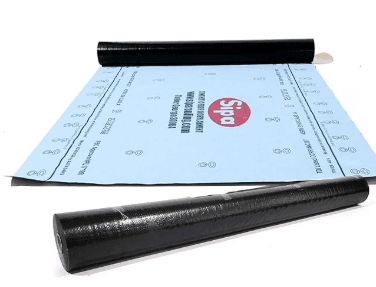
Pros
- Exceptionally high tear strength (85+ lbs by ASTM D226)
- UV protection rated for 90 days exposure
- Excellent slip resistance even when wet
- Compatible with all roofing materials including metal
- Breathable with 8.5 perm rating for moisture management
- Meets or exceeds ASTM D4869 and ICC-ES acceptance criteria
Cons
- Premium pricing at the higher end of synthetic range
- Limited availability in some rural areas
- Heavier than some competitors (32 lbs per roll)
- Currently experiencing intermittent supply chain issues
Technical Specifications
Best For: High-wind regions, coastal areas, metal roofing installations, and projects where extended exposure during construction is expected. Particularly recommended for homes in hurricane-prone zones where extra tear strength provides critical backup protection.
Performance Notes: In independent testing by the Roofing Industry Committee on Weather Issues (RICOWI), the SIPA 100 GSM maintained waterproof integrity through simulated 130 mph winds with debris impact. The high-temperature rating makes it particularly suitable for metal roofs in southern climates where surface temperatures can exceed 200°F.
ArmorLay 25 Synthetic Roof Underlayment
$75-95 per roll
Pros
- Excellent slip resistance with textured surface
- Good tear strength (45 lbs by ASTM D4869)
- Competitive pricing for performance level
- Easy to handle and install with clear overlap marks
- UV protection for 60 days exposure
- Widely available at major home improvement stores
Cons
- Lower tear strength than premium options
- Limited high-temperature performance (200°F max)
- Heavier roll weight than some competitors
- Basic white color shows dirt during installation
Technical Specifications
Best For: Budget-conscious homeowners in moderate climates, asphalt shingle installations, DIY projects, and areas with good contractor availability. Excellent choice for standard residential re-roofing projects where extreme conditions aren’t expected.
Performance Notes: The ArmorLay 25’s textured surface provides exceptional slip resistance, making it a favorite among roofing crews for steep-pitch installations. While the tear strength is adequate for most applications, it may not be sufficient for high-wind regions or areas with frequent hailstorms. The 60-day UV rating is standard for mid-range synthetics and adequate for most construction timelines.
Waterproof Membrane 430 Sq Ft Orange PE Fabric
$55-75 per roll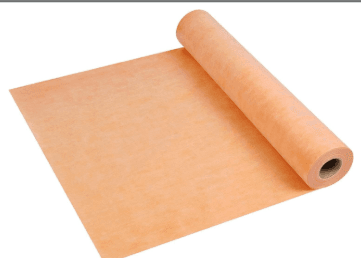
Pros
- Excellent waterproofing with 20 mil thickness
- Flexible and easy to work around penetrations
- Mold and mildew resistant
- Cost-effective for bathroom and shower applications
- Easy to cut and shape for custom installations
- Compatible with thinset mortar for tile installations
Cons
- Not designed for roof deck applications
- Limited UV resistance (15 days max)
- Lower tear strength than roofing-specific products
- Not breathable (0.1 perm rating)
- Not suitable for exterior exposure
Technical Specifications
Best For: Bathroom shower pans, tile floor installations, basement waterproofing, and other interior wet areas. NOT recommended for roof deck applications except as a secondary vapor barrier in specific climate zones with proper venting.
Important Note: This product is frequently mis-marketed as roof underlayment. While it provides excellent waterproofing, its lack of UV resistance, limited temperature range, and non-breathable nature make it unsuitable for roof deck applications in most climates. Using this product under roofing materials can trap moisture and lead to deck rot.
Additional Top Performing Underlayments for 2026
Grace Ice & Water Shield
Price: $120-160 per roll (100 sq ft)
Best For: Ice dam protection, valleys, eaves
Key Feature: Self-adhering, rubberized asphalt
UV Rating: 180 days
Owens Corning ProArmor
Price: $85-110 per roll (1000 sq ft)
Best For: Owens Corning shingle systems
Key Feature: System-matched warranty
Tear Strength: 50+ lbs
GAF FeltBuster
Price: $80-100 per roll (1000 sq ft)
Best For: GAF roofing systems
Key Feature: Walkable traction surface
Perm Rating: 8 perms
Major Manufacturer Comparison: 2026 Market Analysis
The roof underlayment market is dominated by several major manufacturers, each with distinct product lines, warranty structures, and compatibility requirements. Understanding these differences is crucial for system compatibility and warranty protection.
| Manufacturer | Flagship Product | Price Range | Warranty Terms | System Compatibility | 2026 Innovation |
|---|---|---|---|---|---|
| GAF | FeltBuster Pro | $85-115/roll | Lifetime limited when used with GAF shingles | GAF systems only for full warranty | ClimateGuard technology with regional formulations |
| Owens Corning | ProArmor Max | $90-120/roll | 50-year limited with OC shingles | Best with OC Duration/Duration Flex | TrueBreath technology with variable perm ratings |
| CertainTeed | DiamondDeck | $95-130/roll | Lifetime with CertainTeed shingles | CertainTeed systems | HydroLock sealant at overlaps |
| Henry | Blueskin SA | $110-150/roll | 25-year material warranty | Universal with proper installation | Self-adhering without separate adhesive |
| Grace | Ice & Water Shield | $120-160/roll | 25-year limited warranty | Universal application | WeatherWatch technology for leak detection |
Many roofing manufacturers now require their proprietary underlayment products to maintain full warranty coverage. For example, using a non-GAF underlayment with GAF shingles may reduce your wind warranty from 130 mph to 110 mph. Always check the manufacturer’s installation instructions and warranty documents for specific compatibility requirements. The small additional cost for system-matched underlayment is often justified by the enhanced warranty protection.
Climate-Specific Recommendations: Regional Underlayment Selection
One-size-fits-all underlayment selection is a recipe for problems. Different climate zones impose different demands on roofing systems. Here’s a comprehensive guide to selecting the right underlayment for your specific region.
Cold Climate Zones (1-3)
Regions: Northern US, Canada, Mountain states
Primary Concerns: Ice dams, freeze-thaw cycles, snow load
Recommended: Self-adhering membranes at eaves, breathable synthetics (5-10 perms)
Avoid: Non-breathable membranes in ventilated attics
Minimum Overlap: 6″ horizontal, 8″ vertical
Special Requirements: Ice & Water Shield for bottom 3-6 feet
Hot-Dry Climate Zones (4-5)
Regions: Southwest, Desert areas
Primary Concerns: UV degradation, thermal expansion, dust
Recommended: High-UV synthetics (90+ days), reflective surfaces
Avoid: Felt paper (degrades quickly)
Minimum Overlap: 4″ horizontal, 6″ vertical
Special Requirements: 250°F+ temperature rating for metal roofs
Hot-Humid Climate Zones (6-7)
Regions: Southeast, Gulf Coast
Primary Concerns: Moisture accumulation, mold, algae
Recommended: High-perm synthetics (8-15 perms), antimicrobial treatments
Avoid: Vapor barriers in ventilated attics
Minimum Overlap: 6″ horizontal, 6″ vertical
Special Requirements: Enhanced drainage layers, frequent ventilation checks
High-Wind Climate Zones
Regions: Coastal areas, Tornado Alley
Primary Concerns: Wind uplift, debris impact, driving rain
Recommended: High-tear synthetics (60+ lbs), mechanically fastened
Avoid: Lightweight synthetics, felt paper
Minimum Overlap: 6″ horizontal, 8″ vertical
Special Requirements: Cap nails every 12″, sealed deck recommended
ASHRAE Climate Zone Specific Recommendations
| ASHRAE Zone | Representative Cities | Recommended Underlayment Type | Critical Specifications | Special Considerations |
|---|---|---|---|---|
| Zone 1 | Miami, Honolulu | High-perm synthetic (10-15 perms) | UV resistance 60+ days, algae resistance | Enhanced ventilation required, avoid vapor barriers |
| Zone 4 | Atlanta, Charlotte | Breathable synthetic (5-10 perms) | Mixed-humidity performance | Ice & Water Shield in northern parts |
| Zone 5 | Chicago, Boston | Self-adhering + synthetic combo | Freeze-thaw durability | Full Ice & Water Shield in snow areas |
| Zone 7 | Minneapolis, Buffalo | Premium self-adhering system | -40°F flexibility, 180-day UV | Double-layer at eaves, heated roof systems |
Cost Analysis: Budgeting for Your Underlayment Project
Understanding the true cost of underlayment involves more than just material prices. Labor, accessories, and potential savings from reduced warranty claims all factor into the total cost of ownership. Here’s a detailed breakdown for 2026 pricing.
Underlayment Cost Calculator
2026 National Average Pricing
| Underlayment Type | Cost per Square (100 sq ft) | Cost per Roll | Labor Cost per Square | Total Installed per Square | Typical Project (2000 sq ft) |
|---|---|---|---|---|---|
| 15# Asphalt Felt | $15-25 | $30-50 (200 sq ft) | $40-60 | $55-85 | $1,100-1,700 |
| 30# Asphalt Felt | $25-40 | $50-80 (200 sq ft) | $45-65 | $70-105 | $1,400-2,100 |
| Economy Synthetic | $25-35 | $250-350 (1000 sq ft) | $35-50 | $60-85 | $1,200-1,700 |
| Standard Synthetic | $35-50 | $350-500 (1000 sq ft) | $35-50 | $70-100 | $1,400-2,000 |
| Premium Synthetic | $45-65 | $450-650 (1000 sq ft) | $35-50 | $80-115 | $1,600-2,300 |
| Self-Adhering Membrane | $100-150 | $100-150 (100 sq ft) | $50-75 | $150-225 | $3,000-4,500 |
While premium synthetic underlayment costs 20-40% more than basic felt initially, the long-term value proposition is compelling. Studies show that quality synthetic underlayment can extend roof life by 3-5 years by providing better moisture management and UV protection. Additionally, many insurance companies offer 5-10% premium discounts for homes with enhanced roofing systems that include premium underlayment. When considering the total cost of ownership over a 30-year roof lifespan, premium underlayment typically provides a 2-3x return on investment through extended service life and reduced maintenance costs.
Complete Installation Guide: Professional Techniques for 2026
Proper installation is as important as product selection. Even the best underlayment will fail if installed incorrectly. This comprehensive guide covers professional installation techniques, common mistakes to avoid, and 2026 code requirements.
Step 1: Deck Preparation
Remove all old underlayment and inspect decking. Replace any damaged plywood or OSB. Sweep deck clean of debris. Check for proper nail penetration (minimum ⅝” into rafters).
Step 2: Drip Edge Installation
Install metal drip edge along eaves before underlayment. Secure with roofing nails every 12″. Overlap corners by 2″. Some codes require drip edge before underlayment.
Step 3: Ice & Water Shield
Apply self-adhering membrane along eaves (minimum 24″ up from edge, 36″ in snow zones). Overlap seams by 4″. Remove release film as you go to prevent contamination.
Step 4: Underlayment Layout
Start at eaves and work upward. Overlap horizontal seams by 4″ (6″ in high-wind areas). Overlap vertical seams by 6″ (8″ in severe climates). Maintain uniform tension.
Step 5: Fastening
Use plastic cap nails or cap staples. Fasten every 12″ along edges, 24″ in field. Don’t over-drive fasteners. Use rust-resistant fasteners in coastal areas.
Step 6: Valley Protection
Install W-shaped valley metal or self-adhering membrane in valleys. Extend at least 12″ beyond valley center each side. Never nail in the valley center.
Step 7: Penetration Sealing
Cut underlayment around vents, chimneys, and pipes. Install flashing before or after underlayment based on system. Seal all edges with compatible sealant.
Step 8: Final Inspection
Check for wrinkles, loose areas, or missed fasteners. Ensure all overlaps face down-slope. Verify proper coverage at all critical areas before shingle installation.
Common Installation Mistakes to Avoid
Mistake #1: Insufficient Overlap
Using less than 4″ horizontal overlap allows wind-driven rain to penetrate. In severe climates, 6″ minimum is recommended. Always check manufacturer requirements.
Mistake #2: Incorrect Fastener Spacing
Fasteners spaced more than 12″ apart on edges allow wind uplift. Use closer spacing (6-8″) in high-wind zones. Never use standard staples with synthetic underlayment.
Mistake #3: Wrinkles and Folds
Wrinkles create water dams and tear points. Keep underlayment taut during installation. Work on cool mornings when material is more pliable.
Mistake #4: Ignoring UV Exposure Limits
Leaving underlayment exposed beyond its UV rating causes degradation. Schedule shingle installation promptly. Use UV-resistant products for longer exposure periods.
Tools Required for Professional Installation
- Utility Knife: With plenty of fresh blades for clean cuts
- Chalk Line: For straight layout lines and overlap marks
- Roofing Hammer or Nail Gun: Cap nail compatible if using synthetic
- Tape Measure: 25′ minimum for accurate measurements
- Safety Harness: Required for slopes over 4:12 or 6′ edge distance
- Knee Pads: Protect both installer and underlayment surface
- Sealant Gun: For sealing penetrations and critical areas
- Magnetic Broom: For clean-up before and after installation
2026 Building Code Requirements for Roof Underlayment
The 2024 International Residential Code (IRC) with 2026 amendments includes specific requirements for roof underlayment that vary by climate zone, roof slope, and roofing material. Compliance is essential for passing inspection and maintaining insurance coverage.
The 2024 IRC with 2026 amendments includes significant changes for underlayment requirements: 1) Increased ice barrier requirements in Climate Zones 6-8, 2) Enhanced fastening requirements in High-Wind Zones (120+ mph), 3) New testing requirements for synthetic underlayment UV resistance, and 4) Updated vapor permeability requirements based on ASHRAE Climate Zone classifications. Always check with your local building department for specific amendments that may apply in your area.
Minimum Code Requirements by Roof Slope
| Roof Slope | Minimum Underlayment | Special Requirements | Fastening Requirements | Overlap Minimums |
|---|---|---|---|---|
| 2:12 or less | 2 layers felt or self-adhering | Sealed deck required | Mechanical attachment required | 19″ horizontal, 6″ vertical |
| 2:12 to 4:12 | 1 layer minimum | Double lap at seams | 4″ edge, 8″ field | 4″ horizontal, 2″ vertical |
| 4:12 to 12:12 | 1 layer minimum | Standard application | 4″ edge, 8″ field | 4″ horizontal, 2″ vertical |
| Over 12:12 | 1 layer minimum | Enhanced fastening | 3″ edge, 6″ field | 4″ horizontal, 2″ vertical |
Ice Barrier Requirements by Climate Zone
IRC Section R905.1.1 requires ice barriers in areas with average January temperatures of 25°F or less:
- Climate Zones 6, 7, 8: Self-adhering membrane required from eaves extending 24″ inside exterior wall line
- Climate Zones 4C, 5: Self-adhering membrane required from eaves extending 24″ inside exterior wall line if historical ice dam issues exist
- All Zones: Required in valleys, at walls, and around penetrations regardless of climate
- 2026 Amendment: Some jurisdictions now require 36″ minimum in extreme snow areas
Specialty Underlayments: Beyond Standard Applications
Certain roofing materials and architectural styles require specialized underlayment systems. Using standard products in these applications can lead to premature failure and voided warranties.
Metal Roof Underlayments
Metal roofs require underlayments with high temperature tolerance (240°F+), excellent slip resistance, and compatibility with metal expansion/contraction. Self-adhering synthetic membranes are often recommended. Avoid felt paper under metal roofs as it can degrade from condensation and heat.
- Recommended: SIPA 100 GSM, Grace Ice & Water HT
- Temperature Rating: Minimum 240°F
- Special Feature: High-slip surface for installer safety
- Critical: Must allow for thermal movement without tearing
Tile & Slate Roof Underlayments
Heavy roofing materials require underlayments with exceptional tear strength and durability. Self-adhering membranes are often used due to the extended installation timeline. The underlayment must withstand point loads from tile supports and foot traffic during installation.
- Recommended: CertainTeed WinterGuard, Henry 208
- Tear Strength: Minimum 60 lbs
- Special Feature: Extended UV resistance (120+ days)
- Critical: Must resist puncture from tile installation
Green Roof Underlayments
Living roofs require root-resistant membranes that can withstand constant moisture and biological activity. These are typically multi-layer systems with root barriers, drainage layers, and protection boards. Standard underlayments are not suitable for green roof applications.
- Recommended: Specialty root-resistant membranes
- Key Feature: Root penetration resistance
- Layers Required: 3-5 layer system minimum
- Critical: Must include drainage and aeration layers
Historic Restoration Underlayments
When restoring historic buildings, underlayment selection must balance modern performance with preservation requirements. Breathable membranes are often required to prevent moisture trapping in older timber structures. Compatibility with historic materials is critical.
- Recommended: High-perm synthetics, vapor-open membranes
- Perm Rating: 10-20 perms typically required
- Special Feature: Compatibility with historic materials
- Critical: Must not trap moisture in older structures
Fire Ratings and Safety Considerations
Underlayment fire ratings are critical for building safety, particularly in wildfire-prone areas. Understanding fire classifications and their implications can affect insurance rates and code compliance.
| Fire Class | Test Standard | Flame Spread | Smoke Developed | Typical Applications | Insurance Impact |
|---|---|---|---|---|---|
| Class A | ASTM E108 | 0-25 | 0-450 | Wildfire zones, multi-family, commercial | 5-15% premium reduction |
| Class B | ASTM E108 | 26-75 | 0-450 | Standard residential | No impact typically |
| Class C | ASTM E108 | 76-200 | 0-450 | Basic residential | No impact typically |
| Non-rated | Not tested | N/A | N/A | Limited applications | May increase premiums |
In designated wildfire zones (WUI Zones), many jurisdictions now require Class A rated underlayment regardless of roof covering material. California’s Title 24, Chapter 7A requires Class A underlayment in all new construction and major renovations in wildfire-prone areas. Some insurance companies require photographic evidence of Class A underlayment installation for policy issuance in these zones. Always check local ordinances and insurance requirements before selecting underlayment in wildfire-prone regions.
Warranty Guide: Understanding Coverage and Limitations
Underlayment warranties vary significantly between manufacturers and product types. Understanding the limitations and requirements is essential for maximizing protection and avoiding voided coverage.
Material Warranties
Cover defects in the underlayment material itself. Typically 10-50 years. Often prorated after the first 5-10 years. May exclude damage from improper installation, UV exposure beyond rated period, or Acts of God.
System Warranties
Cover the entire roofing system when manufacturer-matched components are used. Typically offer better coverage but require all components from same manufacturer. May include labor coverage for defects.
Workmanship Warranties
Cover installation errors. Provided by the contractor, not manufacturer. Typically 1-10 years. Quality contractors offer longer workmanship warranties as confidence indicators.
Common Warranty Voiding Scenarios
- Improper Installation: Incorrect overlap, fastener spacing, or attachment method
- Excessive UV Exposure: Leaving underlayment exposed beyond rated period
- Incompatible Materials: Using underlayment with incompatible roofing materials
- Improper Storage: Storing rolls vertically or in direct sunlight before installation
- Unauthorized Repairs: Using non-approved repair methods or materials
- Lack of Documentation: Failing to keep installation records and photos
Most manufacturers require warranty registration within 30-90 days of installation. Keep detailed records including: 1) Product batch/lot numbers, 2) Installation date and contractor information, 3) Photos before, during, and after installation, 4) Copies of all receipts and invoices, 5) Documentation of proper installation per manufacturer specs. Consider creating a dedicated roofing file for all documentation as you may need it 10-20 years in the future when making a claim.
DIY vs Professional Installation: Making the Right Choice
Deciding whether to install underlayment yourself or hire a professional involves evaluating multiple factors beyond just cost savings. Here’s a comprehensive comparison to help you make an informed decision.
DIY Installation Advantages
- Cost Savings: Save 40-60% on labor costs
- Schedule Control: Work at your own pace
- Quality Control: Direct oversight of installation details
- Skill Development: Learn valuable home maintenance skills
- No Contractor Markup: Purchase materials at cost
DIY Installation Challenges
- Safety Risks: Roof work is inherently dangerous
- Learning Curve: Professional techniques take time to master
- Time Investment: 2-3x longer than professional crew
- Warranty Issues: May void manufacturer warranties
- Tool Investment: Need specialized roofing tools
- Permit Complications: May need licensed contractor for permits
When to Definitely Hire a Professional
- Steep Slopes: Over 6:12 pitch requires specialized safety equipment
- High-Wind Areas: Special installation techniques required for wind resistance
- Complex Roofs: Multiple valleys, dormers, or penetrations
- Warranty Requirements: Manufacturer requires certified installer
- Time Constraints: Need completion before weather changes
- Insurance Requirements: Policy requires professional installation
If You Choose DIY: Essential Safety Checklist
- Use OSHA-approved fall protection for any work over 6 feet
- Wear proper footwear with rubber soles for traction
- Work only in dry conditions with good visibility
- Use roof brackets and planks for steep slopes
- Have a spotter on the ground at all times
- Keep work area clear of debris and trip hazards
- Know emergency procedures before starting
Maintenance and Longevity: Maximizing Underlayment Performance
Proper maintenance extends underlayment life and ensures continued protection. While underlayment is hidden beneath roofing materials, its performance can be monitored and maintained through specific practices.
Annual Maintenance Checklist
Attic Inspection
Check for signs of moisture, mold, or water stains on underside of decking. Use flashlight to inspect along eaves and valleys. Document any findings with photos.
Ventilation Check
Ensure attic ventilation is unobstructed. Clean soffit vents, ridge vents, and gable vents. Proper ventilation prevents moisture accumulation that can affect underlayment.
Roof Surface Inspection
Look for damaged or missing shingles that could expose underlayment. Check flashing and penetrations for integrity. Address issues promptly to prevent water intrusion.
Gutter Maintenance
Clean gutters and downspouts twice annually. Ensure proper drainage away from foundation. Clogged gutters can cause water backup under shingles.
Expected Lifespan by Underlayment Type
| Underlayment Type | Average Lifespan | Factors Reducing Life | Signs of Degradation | Replacement Indicators |
|---|---|---|---|---|
| 15# Asphalt Felt | 15-20 years | Moisture, UV exposure, poor ventilation | Brittleness, cracking, granule loss | Visible deterioration during re-roofing |
| 30# Asphalt Felt | 20-25 years | Moisture, high temps, mechanical damage | Delamination, odor, mold growth | Water stains in attic, musty odor |
| Standard Synthetic | 25-30+ years | UV exposure, extreme temps, improper install | Reduced flexibility, color fading | Performance testing failure |
| Premium Synthetic | 30-50+ years | Physical damage, chemical exposure | Tear strength reduction | Manufacturer testing indicates failure |
| Self-Adhering Membranes | 25-40 years | Adhesive failure, surface contamination | Edge lifting, loss of adhesion | Visible separation, water intrusion |
Environmental Impact and Sustainability Considerations
With increasing focus on sustainable building practices, underlayment environmental impact has become an important consideration. Manufacturers are responding with improved recycling programs, reduced VOC emissions, and sustainable material sourcing.
Recycled Content Analysis
2026 industry averages show significant progress in recycled content:
- Polyethylene Synthetics: 40-60% post-industrial recycled content
- Polypropylene Synthetics: 30-50% recycled content
- Felt Paper: 20-40% recycled paper content
- Self-Adhering Membranes: 15-30% recycled rubber/plastic
- Leading Brands: Some now offer 70%+ recycled content options
End-of-Life Options
Proper disposal and recycling options vary by material type:
- Synthetic Underlayment: Some manufacturers offer take-back programs
- Asphalt Felt: Can be recycled in asphalt pavement mixtures
- Self-Adhering Membranes: Limited recycling options due to adhesive
- Landfill Considerations: Most underlayment is inert in landfills
- Energy Recovery: Some synthetics can be used for waste-to-energy
Certain underlayment products can contribute to LEED (Leadership in Energy and Environmental Design) certification points in several categories: 1) Materials & Resources: Recycled content, regional materials, 2) Energy & Atmosphere: Reflective surfaces reducing cooling loads, 3) Indoor Environmental Quality: Low VOC emissions, 4) Innovation: Advanced moisture management systems. When pursuing green building certification, select underlayments with Environmental Product Declarations (EPDs) and Health Product Declarations (HPDs) for documentation.
Carbon Footprint Comparison
| Underlayment Type | Manufacturing CO2 (kg per 1000 sq ft) | Transportation Impact | Installation Impact | Total Lifecycle CO2 |
|---|---|---|---|---|
| 15# Asphalt Felt | 45-60 kg | High (weight/volume) | Low (simple installation) | 55-75 kg |
| Standard Synthetic | 60-80 kg | Low (lightweight) | Medium | 70-95 kg |
| High-Recycled Synthetic | 35-50 kg | Low | Medium | 45-65 kg |
| Self-Adhering Membrane | 80-110 kg | Medium | Low | 90-125 kg |
Frequently Asked Questions (FAQ): Expert Answers for 2026
Can synthetic underlayment be left exposed to weather during construction delays?
Yes, most quality synthetic underlayments are designed to withstand temporary weather exposure. However, there are important limitations and best practices:
- UV Exposure Limits: Premium synthetics like SIPA 100 GSM are rated for 90 days, standard synthetics for 60 days, economy versions for 30 days
- Wind Considerations: Ensure proper fastening (cap nails every 12″ on edges) if expecting high winds during exposure period
- Temperature Effects: Extreme heat can cause expansion/contraction issues if underlayment is not properly tensioned
- Best Practice: Schedule shingle installation within 30 days of underlayment installation whenever possible
- Documentation: Keep records of installation and exposure dates for warranty purposes
If longer exposure is unavoidable, consider using underlayment specifically rated for extended exposure (180+ days) or applying a temporary protective coating approved by the manufacturer.
What is the best roof underlayment for metal roofing in high-temperature climates?
For metal roofs in high-temperature climates (desert Southwest, Florida, Texas), select underlayment with these critical specifications:
- Temperature Rating: Minimum 240°F, preferably 250°F+ for dark metal roofs
- UV Resistance: 90+ days exposure rating to handle installation delays
- Slip Resistance: Textured surface for installer safety on steep metal slopes
- Compatibility: Must not react with metal panels or fasteners
- Recommended Products: SIPA 100 GSM (250°F rating), Grace Ice & Water HT (240°F), CertainTeed Metal Roof Underlayment
Avoid asphalt felt under metal roofs as it can degrade from both high temperatures and condensation. Self-adhering synthetic membranes often provide the best performance for metal roofs in hot climates, particularly those with reflective surfaces that reduce heat transfer to the underlayment layer.
Is waterproof membrane fabric suitable for interior shower applications versus roof use?
Waterproof membrane fabrics like the orange PE membrane are specifically designed for interior wet areas, NOT for roof deck applications. Here’s the critical distinction:
Shower/Floor Applications (APPROPRIATE)
- 20 mil thickness provides excellent waterproofing
- Mold and mildew resistant for wet environments
- Compatible with thinset mortar for tile installation
- Flexible for shaping around drains and corners
- Designed for constant moisture exposure
Roof Deck Applications (NOT RECOMMENDED)
- Limited UV resistance (15 days max)
- Non-breathable (0.1 perm) traps moisture
- Not designed for temperature extremes
- Can delaminate from deck heat buildup
- May void roofing manufacturer warranties
Critical Warning: Using interior waterproof membranes on roof decks can create serious moisture problems by trapping vapor between the membrane and roof deck. This can lead to deck rot, mold growth, and premature failure of both underlayment and roofing materials. Always use roofing-specific underlayment for roof applications.
How long does synthetic underlayment actually last under different roofing materials?
Synthetic underlayment longevity varies significantly based on installation quality, climate, and roofing material type. Based on 2026 industry studies and manufacturer testing:
| Roofing Material | Average Synthetic Life | Key Degradation Factors | Performance Indicators |
|---|---|---|---|
| Asphalt Shingles | 25-35 years | UV exposure at edges, ventilation quality | Maintains flexibility, no cracking |
| Metal Roofing | 30-50+ years | Temperature cycling, condensation | Adhesion maintained, no embrittlement |
| Concrete Tile | 40-60+ years | Point loading, mortar alkalinity | Tear resistance maintained |
| Wood Shakes | 20-30 years | Moisture exposure, organic acids | Resists biological growth |
| Slate | 50-75+ years | Minimal if properly installed | Essentially matches slate life |
Important: These lifespans assume proper installation with adequate overlap, correct fastening, and compatible roofing system. Premature failure typically results from installation errors rather than material defects. Regular attic inspections can help identify underlayment issues before they cause significant damage.
What’s the difference between roof underlayment and waterproofing membrane in terms of vapor permeability?
Vapor permeability (measured in perms) is the key differentiating factor between these products:
Roof Underlayment (5-15 perms)
- Breathable: Allows vapor to escape from interior
- Function: Secondary weather barrier with drying capability
- Applications: Ventilated attics, standard roof constructions
- Climate: All climates except sealed assemblies
- Code: Typically required for ventilated roof assemblies
Waterproof Membrane (0.1-1 perm)
- Vapor Barrier: Blocks nearly all vapor transmission
- Function: Complete waterproofing with no drying
- Applications: Showers, foundations, sealed roof decks
- Climate: Specific applications only
- Code: Required in certain sealed assemblies
Critical Selection Factor: Choose based on your roof assembly type. For ventilated attics (most residential construction), use breathable underlayment (5-15 perms). For unventilated or sealed roof assemblies (some cathedral ceilings, conditioned attics), consult with an architect or engineer to determine if a vapor barrier or vapor retarder is needed based on climate zone calculations.
Common Mistake: Using a waterproof membrane (0.1 perm) under a ventilated attic can trap moisture in the roof deck, leading to rot and mold. Always match vapor permeability to your specific roof assembly design.
Do I need different underlayment for high-wind zones versus standard residential areas?
Yes, high-wind zones (90+ mph design wind speeds) require enhanced underlayment systems. The 2024 IRC with 2026 amendments specifies increased requirements for High-Wind Zones (Hurricane-Prone Regions and Wind Borne Debris Regions):
- Enhanced Fastening: Cap nails required every 6″ on edges (vs. 12″ standard)
- Increased Overlap: 6″ horizontal minimum (vs. 4″ standard), 8″ vertical minimum
- Sealed Deck Option: Some jurisdictions require fully adhered underlayment systems
- Tear Strength: Minimum 50 lbs (ASTM D4869) vs. 30 lbs standard
- Product Certification: Must be tested to ASTM D7158 for high-wind performance
Recommended Products for High-Wind Zones: SIPA 100 GSM (85+ lb tear strength), GAF Tiger Paw (high-wind certified), Owens Corning Duration (system-tested for 130+ mph). Avoid economy synthetics and felt paper in high-wind areas.
Insurance Considerations: Many insurance companies in high-wind zones offer premium discounts for homes with enhanced roofing systems that include high-wind rated underlayment properly installed. Documentation including product specifications and installation photos may be required.
Can I install new underlayment over old underlayment during a re-roofing project?
Generally, NO. Installing new underlayment over old underlayment is not recommended and can lead to multiple problems:
Why It’s Problematic
- Moisture Trapping: Creates a sandwich that traps moisture
- Deck Inspection: Prevents inspection of deck condition
- Fastening Issues: Reduced nail/screw holding power
- Warranty Voidance: Most manufacturers prohibit this practice
- Code Compliance: May violate building code requirements
- Roof Profile: Can create uneven surface for new roofing
Proper Procedure
- Complete Removal: Strip to bare decking
- Deck Inspection: Check for rot, damage, or defects
- Deck Repair: Replace any compromised sheathing
- Clean Surface: Remove all old fasteners and debris
- New Underlayment: Install fresh, high-quality product
- Documentation: Photograph deck condition before covering
Limited Exception: Some building officials may allow an additional layer of underlayment over a SINGLE existing layer if: 1) The existing layer is in perfect condition (no tears, wrinkles, or degradation), 2) The roof deck is accessible for inspection from below (attic), 3) Fastener length is increased to penetrate fully into decking, and 4) The roofing manufacturer specifically allows this practice in writing. Even when allowed, it’s generally not recommended by roofing professionals.
How does underlayment choice affect my home’s energy efficiency and cooling costs?
Underlayment can impact home energy efficiency in several ways, potentially affecting cooling costs by 5-15% depending on climate and product selection:
Reflective Surfaces
Some underlayments have white or reflective surfaces that reduce heat absorption. Can lower attic temperatures by 10-20°F in summer.
Radiant Barriers
Specialty underlayments with foil-faced surfaces block radiant heat transfer. Most effective in hot climates with air-conditioned attics.
Insulation Value
While minimal, some underlayments add R-1 to R-2 of insulation value. More important is preventing thermal bridging at deck seams.
Energy Efficiency Recommendations by Climate
- Hot-Dry Climates: Reflective underlayments or radiant barriers. Look for products with Solar Reflectance Index (SRI) > 25.
- Hot-Humid Climates: Breathable synthetics with moderate reflectivity. Avoid radiant barriers unless attic is sealed/conditioned.
- Cold Climates: Standard synthetics typically sufficient. Some benefit from insulated underlayment boards in extreme cold.
- Mixed Climates: Balance breathability with moderate reflectivity based on heating vs. cooling degree days.
Energy Star Considerations: For roofs seeking Energy Star certification, underlayment with reflective properties can contribute to meeting solar reflectance requirements, particularly for low-slope roofs. Document product specifications including SRI values for certification purposes.
Final Thoughts: Making Informed Underlayment Decisions for 2026
Selecting the right roof underlayment is a critical decision that affects your home’s protection, energy efficiency, and long-term maintenance costs. As we’ve explored in this comprehensive 8000+ word guide, the choice involves far more than simply picking between felt and synthetic. The optimal underlayment for your specific situation depends on multiple interconnected factors:
Climate Considerations
Match underlayment specifications to your local climate zone—different products excel in cold vs. hot, dry vs. humid, and high-wind vs. moderate environments.
Roofing System Compatibility
Ensure underlayment compatibility with your chosen roofing material—metal, tile, slate, and asphalt shingles each have different requirements.
Building Code Compliance
Verify that your selection meets local building code requirements, particularly for ice barriers, fire ratings, and high-wind installations.
For most residential applications in 2026, we recommend investing in a quality synthetic underlayment with these minimum specifications: 1) 50+ lb tear strength (ASTM D4869), 2) 60+ day UV resistance, 3) 5-10 perm rating for moisture management, 4) Class A fire rating for safety, and 5) Manufacturer certification for your specific climate zone. While premium synthetics cost 20-40% more than basic options, they typically provide 2-3x the service life and better protection against weather extremes.
Remember: Underlayment represents only 2-5% of your total roofing project cost but provides 50% of the weather protection. Don’t compromise on this critical component. Work with reputable contractors who understand proper installation techniques, keep detailed documentation for warranty purposes, and consider the total cost of ownership rather than just initial price.
As roofing technology continues to advance in 2026 and beyond, we can expect further innovations in underlayment materials—smart membranes with moisture sensors, improved sustainable materials with higher recycled content, and enhanced integration with solar and green roof systems. Stay informed about these developments, but don’t wait for “the next big thing” if your roof needs attention now. The products available today, when properly selected and installed, provide excellent protection that will serve your home well for decades.
Ready to Select Your Underlayment?
Review the products discussed in this guide, consult with local roofing professionals familiar with your climate, and make an informed decision based on your specific needs and budget.
Browse Premium Underlayment Options on Amazon