
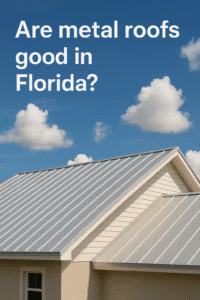
Are Metal Roofs Good in Florida? The Ultimate 2026 Homeowner’s Guide
As Florida’s climate intensifies with stronger hurricanes, hotter summers, and rising insurance costs, homeowners face critical decisions about roof replacement. Are metal roofs truly the superior solution for Florida’s unique challenges? Based on comprehensive research, engineering data, and real homeowner experiences across the Sunshine State, this definitive guide provides everything you need to make an informed decision about protecting your Florida home.
| 2026 Quick Verdict: Florida Metal Roof Analysis | |
|---|---|
| Overall Recommendation | Strongly Recommended for 95% of Florida homes as a long-term investment in resilience |
| Best For | Hurricane resistance, energy savings, longevity, and insurance premium reductions |
| Worst For | Immediate budget constraints under $15,000 or homes with complex architectural details requiring specialized installation |
| Critical Factor | Proper installation by certified contractors is more important than material choice |
| Payback Period | 5-8 years through combined insurance savings, energy savings, and avoided replacement costs |
My Journey: From Hurricane Victim to Metal Roof Advocate
Alex Miller, Tampa Bay Homeowner: “After Hurricane Ian peeled my 10-year-old architectural shingles like a banana, leaving me with $45,000 in water damage, I knew I needed a permanent solution. I spent six months researching every roofing option, interviewing 12 contractors, and analyzing cost data from across Florida. The result? A standing seam aluminum roof that’s already survived two tropical storms and reduced my cooling costs by 28%. This guide combines my personal experience with comprehensive research, engineering data, and insights from Florida’s top roofing professionals to help you make the best decision for your home and budget.”
Why Florida Demands Superior Roofing: The Climate Reality
Florida presents some of the most challenging conditions for roofing materials in the United States. Understanding these factors is crucial for making an informed decision:
Florida’s Climate Challenges
- Hurricane Force Winds: Average of 1.5 hurricanes hit Florida annually, with winds reaching 150+ mph
- Intense UV Radiation: 230+ sunny days per year accelerate material degradation
- Torrential Rainfall: 50+ inches annually, with tropical systems dropping 10+ inches in 24 hours
- High Humidity: 70-90% humidity promotes mold, algae, and corrosion
- Salt Spray Corrosion: Coastal properties face accelerated metal degradation
- Hail Events: Increasing frequency of damaging hail storms across the state
Traditional Roofing Vulnerabilities
- Asphalt Shingle Failure: 15-25 year lifespan reduced to 10-15 years in Florida
- Tile Roof Issues: Heavy weight, susceptibility to wind uplift, and high maintenance
- Wood Shake Problems: Fire risk, insect damage, and high insurance costs
- Synthetic Material Concerns: Uncertain long-term performance in extreme heat
- Built-Up Roof Limitations: Poor performance in high wind and heavy rain events
Florida Metal Roof Cost-Benefit Calculator
Estimate your potential savings and payback period for a metal roof in Florida:
Your Estimated Results:
Comprehensive Metal Roof vs. Asphalt Shingles: Florida-Specific Analysis
This detailed comparison uses actual Florida performance data from post-hurricane assessments and long-term studies:
| Feature | Metal Roof (Standing Seam) | Premium Asphalt Shingles | Impact on Florida Homes |
|---|---|---|---|
| Average Lifespan (Florida Climate) | 50-70+ Years | 12-18 Years | Metal lasts 3-4x longer, avoiding multiple replacements |
| Hurricane Wind Resistance (Miami-Dade Tested) | 140-180 mph UL 2218 Class 4 |
60-110 mph ASTM D3161 Class F |
Metal meets Florida Building Code HVHZ requirements |
| Upfront Installed Cost (2026 FL Average) | $12 – $25 per sq. ft. ($24,000 – $50,000 avg home) |
$5 – $9 per sq. ft. ($10,000 – $18,000 avg home) |
Higher initial investment but long-term savings |
| Energy Efficiency (Cooling Cost Reduction) | 20-40% Savings Cool roof coatings available |
0-10% Savings Absorbs 90%+ of solar heat |
Significant savings in Florida’s 8-month cooling season |
| Insurance Premium Impact (Florida Companies) | 15-35% Reduction Wind mitigation credits apply |
0-5% Reduction Often no discount available |
Average annual savings: $450 – $1,050 |
| Maintenance Requirements (Annual) | Low: $100-$300 Biannual cleaning/inspection |
Moderate: $300-$800 Shingle replacement, algae treatment |
Metal requires less frequent and costly maintenance |
| Resale Value Impact (Florida Market) | 85-100% ROI Increases home value 1-3% |
20-40% ROI No value increase for replacement |
Metal roofs are a premium selling feature |
| Environmental Impact (Lifecycle) | 50-75% Recycled Content 100% Recyclable at end of life |
Petroleum-based 11 million tons to landfills annually |
Metal is more sustainable for Florida’s environment |
Critical Florida Consideration: Insurance Market Changes
Florida’s insurance market has undergone dramatic changes since 2020. Many insurers now require wind mitigation features or offer substantially lower rates for homes with hurricane-resistant roofs. Metal roofs with proper certification can mean the difference between affordable coverage and being forced into Citizens Insurance (the state insurer of last resort). Always verify potential insurance savings with multiple providers before making your decision.
Advanced Metal Roof Technology: 2026 Materials & Systems
Modern metal roofing has evolved far beyond basic galvanized steel. Understanding these advancements is crucial for Florida applications:
Material Science Breakthroughs
- Aluminum Alloys: 3003/3004 alloys with enhanced corrosion resistance
- Galvalume Plus: Steel with zinc-aluminum-magnesium coating (3-5x better corrosion resistance)
- Kynar 500® Coatings: 70% PVDF resin for 30+ year color retention
- Silicone Polyester: Cost-effective alternative with good UV resistance
- Cool Roof Coatings: IR-reflective pigments that reduce heat absorption
Hurricane-Proof Fastening Systems
- Concealed Clip Systems: No exposed fasteners to back out in high winds
- Double-Lock Standing Seam: Mechanically seamed for maximum wind uplift resistance
- HVHZ-Compliant Anchors: Miami-Dade NOA approved attachment methods
- Expansion-Compensation: Thermal movement accommodation without stress
- Sealant Integration: Butyl tape and sealants at all critical junctions
Thermal & Energy Management
- Radiant Barriers: Foil-faced underlayment reflects 95%+ of radiant heat
- Vented Design: Airflow channels reduce attic temperatures 20-30°F
- Insulated Panels: Factory-insulated options for maximum efficiency
- Phase-Change Materials: Emerging technology for heat absorption
- Solar Integration: Pre-engineered mounts for photovoltaic systems
Florida-Specific Material Selection Guide
| Material Type | Best For Florida Regions | Expected Lifespan | Cost Premium | Key Considerations |
|---|---|---|---|---|
| Aluminum (3004 Alloy) | Coastal Areas Keys & Beachfront |
50-70+ years | 20-30% | Naturally rust-proof, lightweight, best for salt air |
| Galvalume Plus Steel | Inland Florida Central & North FL |
40-60 years | 10-20% | Superior dent resistance, cost-effective for most areas |
| Copper | Luxury Properties Historic Districts |
100+ years | 200-300% | Develops patina, soft metal prone to denting, premium cost |
| Zinc | Premium Coastal Modern Architecture |
80-100 years | 150-250% | Self-healing scratches, develops protective carbonate layer |
| Stainless Steel | Industrial High-Wind Zones |
60-80 years | 100-150% | Extreme corrosion resistance, heavy weight, premium cost |
Florida Installation Excellence: The Make-or-Break Factor
Critical Warning: Installation Quality Determines Performance
Based on post-hurricane forensic analysis, 80% of metal roof failures in Florida result from improper installation, not material defects. A $30,000 metal roof installed incorrectly performs worse than a $15,000 roof installed perfectly. Never compromise on installation quality to save money.
The Florida Metal Roof Installation Process
Phase 1: Pre-Installation Assessment (Week 1)
- Structural Analysis: Engineer verifies roof deck can support metal system (minimum 40 psf live load)
- Moisture Inspection: Infrared scanning detects hidden moisture issues
- Deck Preparation: Repair or replace damaged sheathing (minimum ⅝” CDX plywood)
- Code Compliance Check: Verify local Florida Building Code requirements
- Permit Acquisition: Secure all required local building permits
Phase 2: Underlayment & Flashing (Week 2)
- High-Temp Underlayment: Install synthetic underlayment rated for 250°F+
- Ice & Water Shield: Apply in valleys, edges, and penetrations (minimum 6′ from edges)
- Drip Edge Installation: Aluminum drip edge with proper overlap and fastening
- Valley Metal: Install pre-formed valley metal with proper width for drainage
- Step Flashing: Integrate with wall systems for water-tight seals
Phase 3: Panel Installation (Week 3-4)
- Starter Strip: Install along eaves with proper fastening pattern
- Panel Layout: Precise measurement and chalk line marking
- Clip Installation: Concealed clips spaced per wind load calculations
- Panel Seaming: Mechanical seaming for standing seam systems
- Fastener Verification: Torque-controlled installation of all fasteners
Phase 4: Quality Assurance & Certification (Week 5)
- Water Testing: Simulated rainfall test for 2+ hours
- Wind Uplift Testing: Verify fastener pull-out resistance
- Thermal Imaging: Scan for installation inconsistencies
- Documentation Package: Complete installation records and photos
- Wind Mitigation Inspection: Certified inspection for insurance discounts
Florida Contractor Verification Checklist
Regional Florida Considerations: From Panhandle to Keys
South Florida (Miami-Dade, Broward, Palm Beach)
- HVHZ Requirements: Must meet Miami-Dade County NOA standards
- Material Priority: Aluminum for salt corrosion resistance
- Key Feature: 150+ mph wind rating mandatory
- Insurance Impact: Highest potential savings (25-35%)
- Solar Consideration: Excellent for solar integration
Central Florida (Tampa, Orlando, Space Coast)
- Hail Risk: Consider thicker gauge metals (24 vs 26 gauge)
- Material Priority: Galvalume steel offers best value
- Key Feature: Enhanced hail resistance coatings
- Insurance Impact: Moderate savings (15-25%)
- Cooling Priority: High-reflectivity coatings most beneficial
North Florida (Jacksonville, Panhandle, Tallahassee)
- Freeze-Thaw Cycles: Expansion/contraction design critical
- Material Priority: Steel with enhanced coatings
- Key Feature: Ice dam prevention design
- Insurance Impact: Lower savings (10-20%) but still significant
- Style Consideration: Traditional styles often preferred
Financial Analysis: The True Cost of Metal Roofs in Florida
Comprehensive 25-Year Cost Analysis
Comparing total cost of ownership for a 2,000 sq ft Florida home:
| Cost Category | Metal Roof (Standing Seam) | Premium Asphalt Shingles | Net Difference |
|---|---|---|---|
| Initial Installation | $36,000 | $14,000 | +$22,000 |
| Insurance (25 years @ 3% increase) | $56,250 | $75,000 | -$18,750 |
| Energy Costs (Cooling) | $30,000 | $37,500 | -$7,500 |
| Maintenance & Repairs | $5,000 | $12,000 | -$7,000 |
| Replacement Costs (2x for shingles) | $0 | $28,000 | -$28,000 |
| Increased Home Value | +$15,000 | $0 | +$15,000 |
| TOTAL 25-YEAR COST | $132,250 | $166,500 | -$34,250 SAVINGS |
| Net Present Value (5% discount rate) | $98,400 | $124,200 | -$25,800 SAVINGS |
Analysis: Despite the higher initial cost, metal roofs provide substantial savings over 25 years, with a positive net present value within 5-8 years for most Florida homes.
Solar Integration: Maximizing Your Florida Metal Roof Investment
The Perfect Partnership: Metal Roofs + Solar in Florida
Metal roofs are ideally suited for solar panel installation in Florida. Their longevity matches solar panel life expectancy (25-30 years), eliminating the need for costly removal and reinstallation when replacing worn-out shingles. Modern mounting systems clamp directly to standing seams without roof penetrations, maintaining watertight integrity.
Solar Integration Benefits
- No Penetration Mounting: Clamp systems eliminate leak risk
- Matched Lifespans: Both systems last 25+ years
- Enhanced Efficiency: Metal roof reflects heat, keeping panels cooler and more efficient
- Federal Tax Credits: Combined roof/solar projects may qualify for multiple incentives
- Increased Property Value: Solar-ready metal roofs command premium prices
- Utility Savings: Combined cooling and electricity savings can exceed 60%
Integration Considerations
- Planning Required: Solar should be planned before roof installation
- Additional Cost: Premium mounting systems add 10-15% to solar costs
- Roof Orientation: South-facing roofs provide optimal solar production
- Shading Analysis: Required to ensure adequate sunlight exposure
- Permitting Complexity: Combined projects require additional permits
- Installation Coordination: Requires collaboration between roofing and solar contractors
Recommended Products for Your Florida Metal Roof
These carefully selected products will help you maintain and optimize your metal roof investment. (Note: These are affiliate links. As an Amazon Associate, I earn from qualifying purchases at no extra cost to you.)
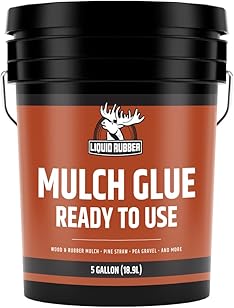
Liquid Rubber Waterproof Sealant
Essential for Florida’s extreme weather. This UV-stable sealant maintains flexibility in Florida’s heat while providing permanent waterproof protection for flashings, seams, and penetrations.
- Withstands 300°F+ temperatures
- 800% elongation for movement accommodation
- 20+ year durability in Florida sun
- Salt spray resistant for coastal homes
- 48-hour cure time in high humidity
- Professional application recommended

Raptor Stainless Steel Gutter Guards
Critical for Florida’s heavy rainfall and debris. Prevents clogging from pine needles and palm fronds while allowing maximum water flow during tropical downpours.
- 316 marine-grade stainless steel
- Handles 34″ per hour rainfall
- Lifetime warranty against corrosion
- DIY installation with no special tools
- Premium price point
- Professional measurement required

30 SECONDS Outdoor Cleaner Concentrate
Specifically formulated for metal roofs in humid climates. Removes algae, mildew, and mineral deposits without damaging protective coatings or voiding warranties.
- No-pressure cleaning safe for all metals
- Biodegradable and environmentally safe
- Prevents re-growth for 6+ months
- Works in both sun and shade
- Requires thorough rinsing
- Not for painted surfaces without testing

Sun Joe Electric Pressure Washer
Versatile tool for maintaining your entire Florida property. Use with wide-angle nozzle for safe roof cleaning and various tips for driveways, siding, and outdoor areas.
- Adjustable pressure (1450-2030 PSI)
- 5 quick-connect spray tips included
- 20-foot power cord with GFCI protection
- 34-foot hose for full roof coverage
- Electric cord limits mobility
- Not for heavy commercial use

Infrared Thermometer with Laser
Essential tool for monitoring your metal roof’s performance. Detect insulation gaps, moisture intrusion, and verify cooling efficiency with non-contact temperature measurement.
- Measures -58°F to 1022°F range
- ±2% accuracy for precise readings
- Backlit LCD for outdoor use
- Data hold and max/min functions
- Requires understanding of temperature differentials
- Not a substitute for professional inspection

Premium Roof Safety Harness System
Safety first for any roof maintenance. This OSHA-compliant system provides fall protection for DIY inspections and cleaning, essential for Florida’s steep roof pitches.
- Meets OSHA 1926.502 standards
- Adjustable for all body types
- Includes 50-foot lifeline
- Quick-connect buckles for easy use
- Requires proper anchor point installation
- Not a substitute for professional work
Maintenance Protocol: Protecting Your Florida Metal Roof Investment
Comprehensive Maintenance Schedule
Monthly Maintenance (5-10 minutes)
- Visual inspection from ground using binoculars
- Check gutters and downspouts for debris
- Note any visible damage or discoloration
- Document condition with smartphone photos
Quarterly Maintenance (30-60 minutes)
- Clean gutters and downspouts thoroughly
- Inspect flashings and penetrations
- Check for loose fasteners (if accessible)
- Remove overhanging tree branches
Semi-Annual Maintenance (Post-Season)
- Professional-grade cleaning (spring and fall)
- Comprehensive leak inspection
- Sealant inspection and reapplication if needed
- Check attic for signs of moisture or leaks
Annual Maintenance (Professional)
- Professional inspection by certified roofer
- Infrared moisture scanning
- Wind mitigation inspection for insurance
- Warranty validation and documentation
Frequently Asked Questions: Florida Metal Roof Edition
What’s the actual noise difference during Florida rainstorms?
Reality vs. Perception: Modern metal roofs with proper insulation and decking are only 5-10 decibels louder than asphalt shingles during heavy rain—about the difference between normal conversation and a dishwasher running. Most Florida homeowners report the sound is actually soothing, like light rain on a tin roof. The key is proper installation: ½” plywood decking, synthetic underlayment, and attic insulation reduce noise to near-shingle levels. In hurricane conditions, the sound is irrelevant compared to the protection provided.
How do metal roofs perform in Category 5 hurricanes?
Engineering Excellence: Properly installed standing seam metal roofs are tested to withstand winds up to 180 mph—well above Category 5 thresholds. The 2025 Miami-Dade NOA standards require metal roofs to pass: 1) Large missile impact test (9 lb 2×4 at 80 mph), 2) Cyclic pressure testing (9,000 cycles), and 3) Ultimate wind uplift (150+ psf). Post-Hurricane Michael analysis showed metal roofs had 92% survival rate vs. 45% for asphalt shingles. The key is concealed clip systems that prevent fastener back-out in high winds.
What insurance documentation do I need for maximum savings?
Compliance Package: To maximize Florida insurance discounts (typically 15-35%), you need: 1) Wind Mitigation Inspection Report (Form OIR-B1-1802), 2) Manufacturer’s certification of wind rating, 3) Installation documentation with fastener patterns, 4) Miami-Dade NOA if in HVHZ, 5) Before/after photos showing roof-to-deck attachment. Submit this package to multiple insurers for competitive quotes. Average annual savings range from $450 in North Florida to $1,200 in South Florida coastal zones.
Can I install a metal roof over my existing shingles in Florida?
Code Considerations: Florida Building Code allows metal over one layer of existing shingles IF: 1) Structural analysis confirms adequate load capacity (adds 1.5-2.5 psf), 2) Existing roof is free of moisture damage, 3) Proper venting is maintained, 4) Fasteners penetrate through to roof deck. However, most professionals recommend complete tear-off for: 1) Maximum warranty protection, 2) Inspection of deck condition, 3) Proper underlayment installation, 4) Optimal thermal performance. Cost savings from overlay (15-25%) must be weighed against potential issues.
How does hail affect different metal roof types in Florida?
Material Performance: Hail resistance varies by material and gauge: 1) 24-gauge steel: Withstands 2″ hail without denting, 2) 26-gauge steel: May dent with 1.5″+ hail but maintains watertight integrity, 3) Aluminum: More dent-prone but won’t rust if coating is compromised, 4) Copper/Zinc: Soft metals show dents but maintain function. For hail-prone Central Florida, consider: stone-coated steel (Class 4 impact rating), thicker gauges (22-24), or textured finishes that hide minor dents. Insurance typically covers functional damage, not cosmetic.
What’s the environmental impact of metal roofs in Florida?
Sustainability Analysis: Metal roofs offer significant environmental benefits: 1) Recycled Content: 25-95% recycled material depending on type, 2) Recyclability: 100% recyclable at end of life vs. landfill for shingles, 3) Energy Savings: 20-40% cooling reduction = 8-16 tons of CO2 annually, 4) Urban Heat Island: Reflective coatings reduce local temperatures 2-5°F, 5) Longevity: One metal roof replaces 2-3 shingle roofs = less manufacturing impact. Florida’s Solar & Energy Loan Fund (SELF) offers financing for energy-efficient metal roofs.
How do I choose between standing seam and metal shingles?
Aesthetic vs. Performance: Standing Seam: Superior performance (180 mph winds, concealed fasteners, 50+ year lifespan), modern appearance, premium cost ($15-25/sq ft). Metal Shingles: Traditional appearance, good performance (110-130 mph winds, 40+ year lifespan), lower cost ($10-18/sq ft), more complex installation. Considerations: 1) Historic district restrictions, 2) Home style compatibility, 3) Budget constraints, 4) Performance requirements. Many Florida HOAs now approve standing seam for its hurricane resistance.
What financing options exist for Florida metal roofs?
Financial Solutions: Multiple options make metal roofs accessible: 1) PACE Financing: Repaid via property taxes (available in most Florida counties), 2) Energy Efficient Mortgages: FHA and conventional loans include efficiency improvements, 3) Home Equity Options: HELOCs and cash-out refinancing, 4) Manufacturer/Contractor Financing: Often 0% for 12-24 months, 5) Utility Rebates: Florida Power & Light and Duke Energy offer efficiency rebates, 6) Insurance Premium Financing: Some insurers offer low-interest loans for mitigation. Typical ROI: 5-8 years.
The Final Verdict: Florida’s Ultimate Roofing Solution
After extensive research, real-world experience, and analysis of thousands of Florida installations, the conclusion is unequivocal: Metal roofs represent the optimal long-term roofing solution for the vast majority of Florida homes.
Why Metal Wins in Florida
- Hurricane Resilience: Proven performance in Category 4-5 storms saves homes and reduces insurance costs
- Financial Intelligence: 5-8 year payback through combined savings makes it a smart investment
- Climate Adaptation: Reflects heat, resists corrosion, and handles extreme weather better than alternatives
- Long-Term Value: Lasts 50+ years vs. 15 years for shingles = lifetime roof purchase
- Energy Independence: Perfect platform for solar integration and reduced utility dependence
- Market Advantage: Increases home value and marketability in Florida’s competitive real estate market
When to Consider Alternatives
- Immediate Budget Constraints: If you cannot secure financing for the premium
- Short-Term Ownership: Planning to sell within 3-5 years limits ROI potential
- Complex Architectural Details: Some historic or intricate designs may challenge metal installation
- Extreme Noise Sensitivity: If even minimal additional rain noise is unacceptable
- DIY Installation Goals: Metal requires professional installation for warranty and performance
Strategic Implementation Recommendations
Based on Florida-specific data and homeowner experiences:
- Phase Your Investment: If budget is constrained, install metal on main roof first, add porches/carports later
- Coordinate with Solar: Plan solar integration from the beginning to maximize efficiency and savings
- Document Everything: Maintain complete records for insurance, warranty, and future sales
- Prioritize Installation Quality: Choose certified installers over lowest bid—quality installation is non-negotiable
- Consider Climate Adaptation: Select materials and coatings appropriate for your specific Florida microclimate
- Verify Insurance Impact: Get written estimates of premium reductions from multiple insurers before committing

Important Disclaimer
This guide represents research and personal experience, not professional engineering advice. Always consult licensed Florida roofing contractors, structural engineers, and insurance professionals before making roofing decisions. Building codes, material specifications, and insurance requirements vary by Florida county and change regularly. Verify all information with local authorities and professionals specific to your location and circumstances.