
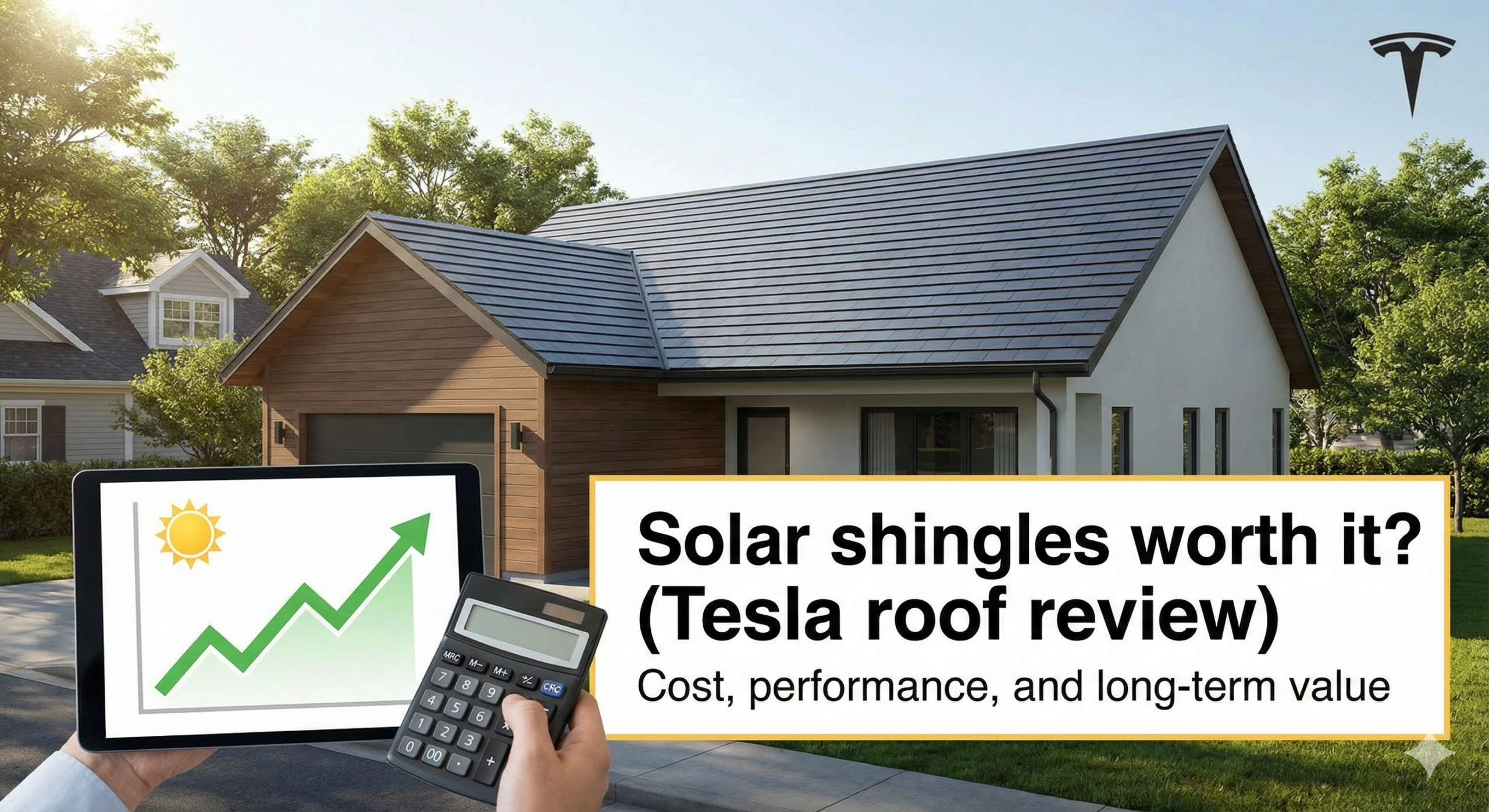
Solar Shingles Worth It? The Definitive Tesla Roof Review
For decades, the standard for residential energy has remained largely unchanged: bulky, rectangular silicon panels bolted onto asphalt shingles. But as we move deeper into the 2020s, the conversation has shifted from “can we generate power?” to “can we generate power beautifully?” This is the core premise of the Tesla Solar Roof and the broader category of building-integrated photovoltaics (BIPV).
When asking if solar shingles are worth it, homeowners aren’t just comparing kilowatt-hours; they are weighing the long-term value of a complete roof replacement against the prestige and efficiency of Tesla’s “Solar Glass.” In this exhaustive review, we will strip away the marketing jargon to determine if the Tesla Roof is a viable investment or a luxury novelty. We will explore costs, durability, aesthetics, and how it compares to traditional options like architectural roof shingles vs 3-tab or high-end slate roofing.
Product Overview: What Exactly is the Tesla Solar Roof?
Unlike traditional solar panels, which are secondary additions to your home, solar shingles (specifically the Tesla variant) *are* the roof. Tesla’s system consists of two types of glass tiles: active solar tiles and inactive dummy tiles. From the street, they look identical, creating a seamless, uniform aesthetic that avoids the “patchwork” look of traditional solar arrays.
Tesla’s Solar Glass tiles are engineered from tempered glass, making them significantly stronger than traditional roofing materials. They are designed to replace your existing structure entirely. This means if you were already considering a total overhaul—perhaps after looking at a roof replacement cost for a 3000 sq ft house—the financial leap to solar shingles becomes much smaller.
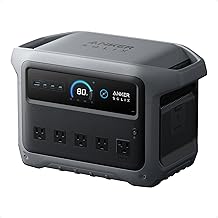
Power Up Regardless of Your Roof
Not ready for a full Tesla Roof? Start your solar journey with a portable power station and panels for emergency backup.
Check Price on AmazonDeep Dive Review: Aesthetics, Efficiency, and Engineering
The Aesthetic Factor: The “Invisible” Solar
The primary reason homeowners choose Tesla over competitors like GAF Energy or CertainTeed is aesthetics. Tesla has mastered the art of “hidden technology.” The active solar cells are only visible from directly above. When viewed from an angle (like from the sidewalk), the tiles appear opaque and textured, mimicking the look of premium slate or high-end tile.
Efficiency and Power Density
Individual solar shingles are typically less efficient than large-format solar panels. Because they are smaller and have more gaps (junctions) between tiles, the “active” surface area per square foot is lower. However, Tesla compensates for this by allowing the active tiles to be placed across a much larger portion of the roof than traditional panels would allow. This maximized coverage can result in a higher total energy yield for complex roof shapes.
Performance in Extreme Weather
When considering the best roofing material for hurricanes, slate and metal often top the list. However, Tesla’s Solar Glass is rated Class 3 or 4 for hail and Class F for wind. It is engineered to withstand 166 mph winds, putting it on par with the best roofing material for hurricanes. In regions like Florida, where homeowners often ask are metal roofs good in Florida?, the Tesla Roof offers a high-tech alternative that handles wind-driven rain with equal aplomb.
Features and Technical Specifications
- Tile Composition: Tempered glass with embedded monocrystalline solar cells.
- Warranty: 25-year tile warranty, 25-year power warranty, and 25-year weatherization warranty.
- Inverter: Tesla Solar Inverter (typically 3.8kW or 7.6kW units).
- Storage: Fully integrated with the Tesla Powerwall for 24/7 energy independence.
- Weight: Lighter than traditional tile or slate, but heavier than asphalt shingles.
| Specification | Tesla Solar Roof | Traditional Solar Panels |
|---|---|---|
| Aesthetic | Integrated / Seamless | External / Bulky |
| Durability | Higher (Tempered Glass) | Moderate (Frame/Glass) |
| Installation Time | 1-2 Weeks | 1-2 Days |
| Warranty | 25 Years Comprehensive | 10-25 Years (Varies) |
| Average ROI | 12-18 Years | 6-10 Years |

Enhance Your Roof’s Security
Complement your high-tech roof with solar-powered security lighting that requires zero wiring.
Check Price on AmazonPros & Cons: The Brutal Truth
The Pros
- Unmatched Curb Appeal: Increases home value and aesthetic desirability.
- Durability: Glass tiles outlast curling roof shingles by decades.
- Single Point of Contact: Tesla manages the roof, the solar, and the battery storage.
- Environmental Impact: Offset carbon footprint significantly while replacing a roof.
The Cons
- High Upfront Cost: Can be 2-3x the cost of a standard roof + panel system.
- Complex Installation: Requires Tesla-certified crews, leading to long wait times.
- Difficult Maintenance: If a tile breaks, you can’t just use a best roofing hammer to swap it out yourself.
- Underlayment Dependency: Still relies on high-quality roof underlayment that must last 25+ years.
Performance Evaluation: Efficiency in Real-World Conditions
In a controlled lab, solar glass performs beautifully. In the real world, performance is dictated by shading, orientation, and debris. If your home is surrounded by tall oaks, solar shingles are likely not worth it. The decentralized nature of the tiles means that shading on one section of the roof can impact the string performance, though Tesla’s inverter technology mitigates this significantly.
Heat Dissipation
One common concern is thermal management. Traditional panels have an air gap between the panel and the roof, allowing for cooling. Solar shingles are flush against the deck. To address this, Tesla relies on the natural thermal properties of glass and high-quality best roof exhaust fans. Without proper ventilation, the heat could theoretically degrade the cells. Homeowners should investigate how to keep roof cool in summer naturally to ensure the longevity of their solar glass investment.
Comparisons with Alternatives: Panels, Metal, and Shingles
If you’re debating the Tesla Roof, you’re likely considering three other paths:
Tesla Roof vs. Metal Roof + Solar Panels
A standing seam metal roof is incredibly durable. When paired with traditional panels, it’s arguably the most functional solar setup. In the metal roof vs shingles debate, metal always wins on lifespan. Adding panels to metal is easy and doesn’t require roof penetrations if using S-5! clamps. However, it will never look as sleek as the Tesla Solar Roof.
Tesla Roof vs. Asphalt Shingles + Solar Panels
This is the budget-friendly choice. If your current roof is in good shape, adding panels is much cheaper. However, if your shingles are starting to fail or you notice granules in gutters, you should never install solar panels over them. You’d have to pay to remove the panels, fix the roof, and reinstall the panels within a few years.

DIY Inspection Tools
Before committing to a solar roof, inspect your current structure. Use a high-quality harness for any roof-top evaluations.
Check Price on AmazonThe “Worth It” Equation: Financial Breakdown
To determine if solar shingles are worth it, we must look at the 25-year cost. Let’s compare a Tesla Roof to a premium slate roof and an architectural shingle roof.
- Standard Roof + Electricity: You pay $15,000 for the roof + $150/mo in power. Over 25 years, that’s $60,000.
- Tesla Roof: You pay $50,000 upfront (minus federal tax credits) and have a $0-20 power bill. Over 25 years, the cost is essentially the upfront price.
The “breaking point” usually occurs around Year 12 to 15. If you plan to stay in your home for the long haul, the Tesla Roof pays for itself. If you’re moving in five years, you’re likely better off with a standard roof replacement and checking the roof inspection cost to ensure you’re getting a fair deal on repairs.
Maintenance and Long-Term Care
Maintenance for a solar glass roof is similar to a cedar shake roof maintenance guide, but with less biology involved. You don’t have to worry about rot, but you do have to worry about dirt. A layer of dust can drop your energy production by 10-15%. Periodic cleaning is essential.
Additionally, birds love the warmth of solar components. Installing the best bird spikes for roof ridges can prevent nests from blocking tiles. If you live in cold climates, you must know how to remove ice dams from roof safely, as heavy ice can put undue stress on the glass junctions.
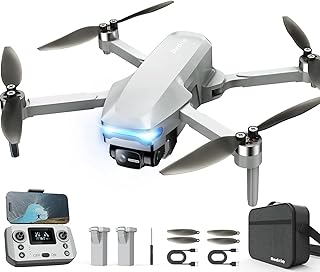
Inspect Like a Pro
A drone is the safest way to check your solar tiles for cracks or debris without stepping foot on the glass.
Check Price on AmazonFAQ: Everything You Need to Know
1. Can you walk on a Tesla Solar Roof?
Technically, yes, the tiles are tempered glass and very strong. However, much like when asking can you walk on a tile roof?, it is not recommended for homeowners. Specialized best roofing shoes are required to maintain grip and prevent micro-cracking.
2. What happens if one tile breaks?
If a single active tile breaks, the rest of the string can usually continue to function, but efficiency will drop. Tesla service must replace the tile. If it’s an inactive tile, it functions like a standard roof repair.
3. Does it work during a power outage?
Only if you have a Tesla Powerwall. Without a battery, solar systems are required by law to shut off during outages to prevent “back-feeding” the grid while utility workers are fixing lines.
4. How much does a Tesla Roof cost for a 3,000 sq ft house?
While prices vary by complexity, a 3,000 sq ft home can expect quotes between $45,000 and $80,000 before tax credits. Compare this to the base roof replacement cost for your area.
5. Are solar shingles good for hurricanes?
Yes. They are integrated into the roof deck, meaning there are no gaps for wind to get under and create “uplift,” unlike traditional panels.
6. Do I need a new underlayment?
Yes. Tesla replaces everything down to the wood deck. They use a proprietary, high-temp roof underlayment designed to last as long as the glass.
7. Can I install bird spikes on a solar roof?
Yes, and it’s recommended to prevent debris buildup. Check out the best bird spikes for solar arrays.
8. Will my insurance cover a Tesla Roof?
Most standard policies cover solar roofs, but your premiums will likely increase due to the higher replacement value. Always ask what happens if I don’t use my insurance money if you’re dealing with a claim.
Final Verdict: Is the Tesla Roof Worth It?
After analyzing the engineering, the finances, and the aesthetics, the conclusion is clear: The Tesla Solar Roof is worth it if you are already in need of a new roof and plan to stay in your home for at least 10-15 years. It is the only product on the market that successfully merges high-output renewable energy with luxury home design.
However, if your current roof has 10+ years of life left, or if you live in an area with very low electricity rates, traditional panels are a more logical financial choice. The Tesla Roof is as much a statement piece as it is a power plant. It represents the pinnacle of home technology—comparable to choosing a high-end slate roof but with the added benefit of a monthly check from the utility company. If you’re ready to embrace energy independence without sacrificing your home’s curb appeal, the Tesla Solar Roof is the undisputed champion.
Take the Next Step
Whether you’re going solar or just need a repair, ensure you have the best tools for the job. Check our recommended roofing gear on Amazon.
Browse Roofing Gear