
The Complete Blueprint for Removing Lichen from Roof Tiles Without Damage
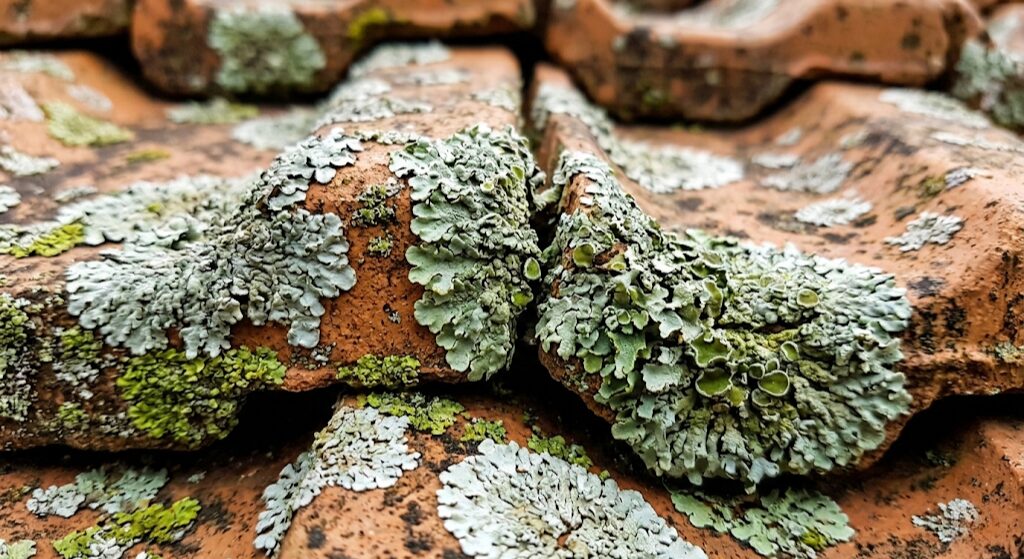
If you have noticed crusty, circular patches of pale green, grey, or yellow creeping across your roof tiles, you are dealing with a formidable and highly evolved opponent: lichen. Unlike simple airborne dirt, tree sap, or easily brushed-away debris, lichen is a complex, hardy organism that views your expensive roof tiles not just as a temporary resting place, but as a permanent home and a reliable food source.
Biologically speaking, lichen is a fascinating symbiotic relationship between a fungus and an alga (or sometimes a cyanobacterium). The fungus acts as the rigid structural framework, protecting the organism from harsh weather, aggressive UV rays, and extreme drought. In return, the algae use photosynthesis to provide essential nutrients and food. This evolutionary partnership makes lichen incredibly resilient. However, this same unyielding resilience is exactly what makes removing lichen from roof tiles such a challenging, delicate, and high-stakes home maintenance task.
The Hidden Costs of Ignoring Roof Lichen
It is incredibly easy to look up at a few patches of lichen and dismiss them as a minor cosmetic issue, perhaps even convincing yourself that they add a touch of “rustic charm” to an older home’s aesthetic. This is a critical and potentially expensive mistake. Lichen is not a passive passenger; it is an active, destructive force.
- Root-like Penetration: Lichen doesn’t just sit harmlessly on the surface. The fungal component secretes mild acidic compounds that slowly dissolve the minerals in limestone, concrete, or clay tiles. It creates microscopic, root-like structures (rhizines) that anchor it deeply into the tile’s pores, effectively fusing with the roofing material.
- Moisture Trapping & Freeze-Thaw Damage: Lichen acts like a highly efficient sponge. It holds water against the surface of the tile long after a rainstorm has passed. In colder climates, this trapped moisture undergoes a relentless freeze-thaw cycle, expanding as ice and causing the fragile tiles to crack, spall, and prematurely fail. If you notice an abundance of granules in your gutters indicating roof failure, excessive organic growth trapping moisture is often the primary culprit.
- Paving the Way for Moss: Lichen creates the perfect, nutrient-rich, moist foundation for secondary, more aggressive invaders. Once lichen establishes a foothold, it traps dirt and organic matter. Soon, you will find yourself frantically researching how to get rid of moss on a roof, as thick carpets of moss quickly overtake the weakened tiles.
- Voiding Expensive Warranties: Many premium roofing manufacturers explicitly state in their fine print that allowing organic growth like lichen and algae to flourish unchecked on their products will completely void the warranty, leaving you entirely financially responsible for an early roof replacement.
Safety First: Assessment & Preparation Before You Climb
Before you even think about mixing chemicals or carrying scrubbing tools up a ladder, you must prioritize structural safety and personal fall protection. Roof work is inherently dangerous, and the addition of organic growth makes tiles incredibly slick—akin to walking on black ice.
First, assess the pitch of your roof and the fragility of your specific tiles. Concrete, slate, and terracotta tiles can easily snap under human weight if not traversed correctly. We highly recommend reviewing whether you can walk on a tile roof safely without causing damage before stepping off a ladder. The golden rule is to distribute your weight evenly over the lower third of the tiles where they overlap and are structurally supported by the battens beneath.
Furthermore, never attempt wet roof cleaning without proper, certified fall protection. Investing in one of the best roof harnesses on the market is non-negotiable if you are working on anything steeper than a standard 4/12 pitch. Ensure you have specialized non-slip roofing shoes, and consider setting up one of the best roof ladders for steep pitches to give yourself a stable working platform.
Top 5 Lichen Removal Treatments & Tools
Because lichen anchors itself deep into the tile, traditional high-pressure washing is heavily discouraged by roofing manufacturers. Blasting your tiles with 3000 PSI will immediately strip the protective weather-coating off concrete tiles and shatter clay or slate tiles, ultimately causing vastly more damage than the lichen itself. Instead, the industry standard relies on chemical “soft-washing” and specialized agitation tools. Here are the top methods.
Sodium Hypochlorite Solutions (Bleach-Based Soft Wash)
For immediate, aggressive, and highly visible results, commercial roofing professionals rely on Sodium Hypochlorite (the active chemical ingredient in household bleach, though usually applied at a higher concentration). When mixed correctly with water and a specialized surfactant (a soap that helps the liquid cling to steep surfaces), this chemical deeply attacks the lichen’s cellular structure, killing the fungus and algae on contact. This is the core methodology behind professional “soft washing.” If you are debating between formulas, understanding the critical nuances of the best roof cleaners: hypochlorite vs oxygen bleach is crucial for protecting your surrounding landscaping.
Pros
- Instant gratification; lichen turns white and dies within 15 minutes.
- Requires zero abrasive scrubbing or damaging pressure washing.
- Highly cost-effective when mixed from raw pool-shock ingredients.
Cons
- Highly corrosive; can damage aluminum gutters if not rinsed heavily.
- Chemical runoff will kill expensive plants and grass below if they are not pre-soaked with water.
- Strong, unpleasant chemical odor during application.
Benzalkonium Chloride Cleaners (e.g., Wet & Forget)
If you prefer a much less labor-intensive “apply and walk away” approach and don’t mind waiting for Mother Nature to do the heavy lifting, Benzalkonium Chloride products are an exceptional choice. These specialized biocides are sprayed directly onto the dry lichen and left alone. Every time it rains over the next several weeks to months, the chemical reactivates, slowly breaking down the lichen’s tenacious grip on the tile until the dead husks wash away naturally into your gutters.
Pros
- Extremely safe for all roof tiles; no caustic or acidic reactions.
- Much safer for surrounding plant life and pets than bleach solutions.
- Leaves a residual barrier that prevents regrowth for up to a year after application.
Cons
- Requires immense patience; takes weeks or even months to see full removal.
- Requires highly specific weather conditions (absolutely no rain for 12 hours post-application).
Oxygen Bleach (Sodium Percarbonate)
For the eco-conscious homeowner who wants faster results than biocides but refuses to use toxic chlorine bleach, oxygen bleach offers a fantastic middle ground. When mixed with warm water, sodium percarbonate rapidly releases millions of active oxygen bubbles that lift the lichen and dirt from the tile’s pores. It is completely non-toxic to plants and degrades rapidly into natural soda ash and water, making it incredibly safe for homes with free-roaming pets and extensive, sensitive landscaping.
Pros
- 100% eco-friendly, biodegradable, and plant-safe.
- Will not discolor roofing materials or corrode delicate metal flashings.
- Highly effective at breaking down the structural integrity of the lichen’s roots.
Cons
- Requires a dwell time of 15-30 minutes followed by light manual scrubbing.
- Solution has a very short shelf life; it must be used within a few hours of mixing.
Manual Removal (Nylon/Plastic Roof Scrapers)
Sometimes, chemicals alone aren’t enough for heavily encrusted, decades-old lichen colonies that have formed thick, crusty plates. In these extreme cases, manual agitation is required. It is absolutely vital that you NEVER use a metal paint scraper or stiff wire brush on roof tiles, as this will permanently scar the protective glazing and accelerate tile degradation. Specialized stiff nylon roofing brushes or plastic roof-tile profile scrapers (which are cut to match the specific curve of your barrel tiles) are the only acceptable tools.
Pros
- Immediate physical removal of bulk lichen masses.
- Zero chemical runoff into the environment or gutters.
- Highly effective when paired as a follow-up to a pre-soak of oxygen bleach.
Cons
- Extremely labor-intensive and physically demanding work.
- Drastically increases the time you must spend walking on the fragile, slick roof surface.
Zinc or Copper Ridge Strips (The Ultimate Preventative)
While not a removal tool, no comprehensive guide to lichen eradication is complete without discussing long-term prevention. Once the roof is finally clean, installing rolls of pure zinc or copper flashing along the peak of the roof ridge is the ultimate defense mechanism. When rain hits these exposed metals, it creates a very mild, natural metallic salt solution that washes gently down the roof. Lichen, algae, and moss are highly toxic to these specific metallic ions and cannot grow anywhere this solution washes over.
Pros
- Provides 10 to 15 years of passive, continuous, weather-activated protection.
- Virtually invisible from the ground once tucked neatly under the ridge caps.
- Completely eliminates the need for repeated, dangerous chemical spray applications.
Cons
- Requires physical installation, often involving loosening the top ridge cap tiles.
- Only protects the roof area situated geographically *below* the installed strip.
Need Professional-Grade Roof Cleaning Supplies?
Don’t risk the integrity of your tiles with generic, watered-down hardware store chemicals or dangerous ladders. Equip yourself with the exact soft-wash formulas, compact roof access ladders, and safety gear trusted by industry professionals.
Shop Top-Rated Roof Cleaners on AmazonTreatment Comparison Table
Use this quick-reference guide to select the most appropriate methodology for your specific roof type, timeline, and environmental constraints.
| Method / Chemical | Speed of Results | Labor Required | Plant & Eco Safety | Tile Safety Rating |
|---|---|---|---|---|
| Sodium Hypochlorite (Bleach) | Instant (Minutes) | Low (Spray & Rinse) | Low (Requires heavy pre-soaking) | High (No pressure needed) |
| Benzalkonium Chloride (Biocide) | Slow (Weeks/Months) | Very Low (Spray & Forget) | Medium-High | Very High |
| Oxygen Bleach | Fast (Hours) | Medium (Requires light brushing) | Very High (100% Eco-Safe) | High |
| Manual Scraping | Instant | Very High (Exhausting) | High (No chemical runoff) | Medium (Risk of scratching if careless) |
Step-by-Step Lichen Eradication Guide
If you have decided to tackle this project yourself rather than hiring a soft-wash company, follow this rigorous professional operating procedure to ensure a perfectly clean roof and zero collateral damage to your property.
Phase 1: Preparation and Property Protection
1. Secure the Perimeter: If you are using hypochlorite (bleach), you must aggressively protect your landscaping. Thoroughly soak all plants, grass, and bushes directly beneath the roofline with fresh water for 15 minutes before starting. Cover delicate plants with plastic tarps, but remove the tarps immediately after the job to prevent heat suffocation.
2. Gutter Check: Ensure your gutters and downspouts are completely clear of debris. You want the chemical runoff to flow efficiently away from the house and into safe drainage areas, not overflow and streak down your exterior siding.
3. Gear Up: Put on your roof harness, high-traction non-slip shoes, heavy-duty chemical-resistant gloves, and wrap-around safety goggles. Lichen treatments are incredibly harsh on the eyes and skin if the wind blows spray back at you.
Phase 2: The Chemical Application
1. Dry Roof Only: Wait for an overcast day where the roof is completely dry. Applying any chemical to a wet roof severely dilutes the solution and creates a water barrier that prevents the lichen from absorbing the biocide deep into its roots.
2. Pump Sprayer Execution: Fill a standard, high-quality garden pump sprayer with your chosen chemical solution. Starting from the bottom edge of the roof and methodically working your way up to the ridge, heavily saturate the lichen-covered areas. Saturating from the bottom up prevents the chemical from running down dry tiles and leaving uneven, clean streaks.
3. Dwell Time: Let the chemical do the heavy lifting. Hypochlorite takes about 15-20 minutes to work. Oxygen bleach needs about 30-45 minutes. Crucial step: Do not let the chemical dry on the roof. Mist it lightly with more solution if the sun or wind is drying it out prematurely.
Phase 3: Rinsing and Final Agitation
1. Light Brushing (If Necessary): If using an eco-friendly oxygen cleaner, take a soft-bristled brush attached to a long extension pole and gently agitate the crusty lichen patches. Because the chemical has broken down their roots, they should easily dislodge from the tile pores without requiring heavy force.
2. Low-Pressure Rinse: Using a standard garden hose equipped with a fan-spray nozzle (never a pressure washer), rinse the roof thoroughly. This time, start from the top ridge and work your way down, washing all the dead lichen husks and chemical residue into the gutters.
3. Final Plant Flush: Once you are safely off the roof, immediately return to the ground and heavily rinse all your landscaping and the sides of your house with fresh water for at least 10 minutes to dilute and wash away any rogue chemical overspray.
Long-Term Preventative Measures
Removing lichen is dangerous, hard work; ensuring it never returns is the smart play. Lichen and moss thrive in damp, highly shaded environments. By altering the micro-climate of your roof, you can essentially starve it out.
- Trim Overhanging Branches: Large trees casting heavy shade over your roof prevent the sun’s UV rays from naturally drying out the tiles after morning dew or a rainstorm. Trim back branches so they are at least 6 to 10 feet away from the roofline to drastically increase sunlight and airflow.
- Prioritize Flat Roof Drainage: If your home features flat roof sections, ensure water isn’t pooling. If you notice persistent puddles, you may need to apply a silicone roof coating designed for ponding water to prevent organic growth from taking hold in stagnant areas.
- Improve Attic Ventilation: A poorly ventilated attic traps intense heat and moisture, which then radiates up into the roof deck and tiles, creating a humid terrarium effect on the exterior of your roof. Ensure your soffit intakes and roof ridge vents are functioning correctly and are not blocked by insulation.
Frequently Asked Questions (FAQs)
Conclusion & Final Thoughts
Eradicating lichen from your roof tiles is not merely an aesthetic curb-appeal upgrade; it is a vital structural rescue mission for your home. By understanding the symbiotic, root-digging, moisture-trapping nature of this highly evolved organism, you can approach the cleaning process with the right chemical tools rather than relying on damaging, high-pressure, brute-force tactics.
Whether you opt for the rapid, aggressive, and immediate results of a hypochlorite soft wash, the eco-friendly bubbling action of oxygen bleach, or the patient, passive methodology of slow-acting biocides, the key to success is chemical application over physical force. Protect your sensitive landscaping, prioritize ladder stability and fall-arrest safety, and always follow up a thorough cleaning with smart preventative measures like tree trimming and zinc strip installation.
Don’t let a primitive fungus dictate the lifespan of your expensive roof. Take proactive action today, restore your home’s pristine appearance, and securely seal your roof against future moisture intrusion for decades to come.