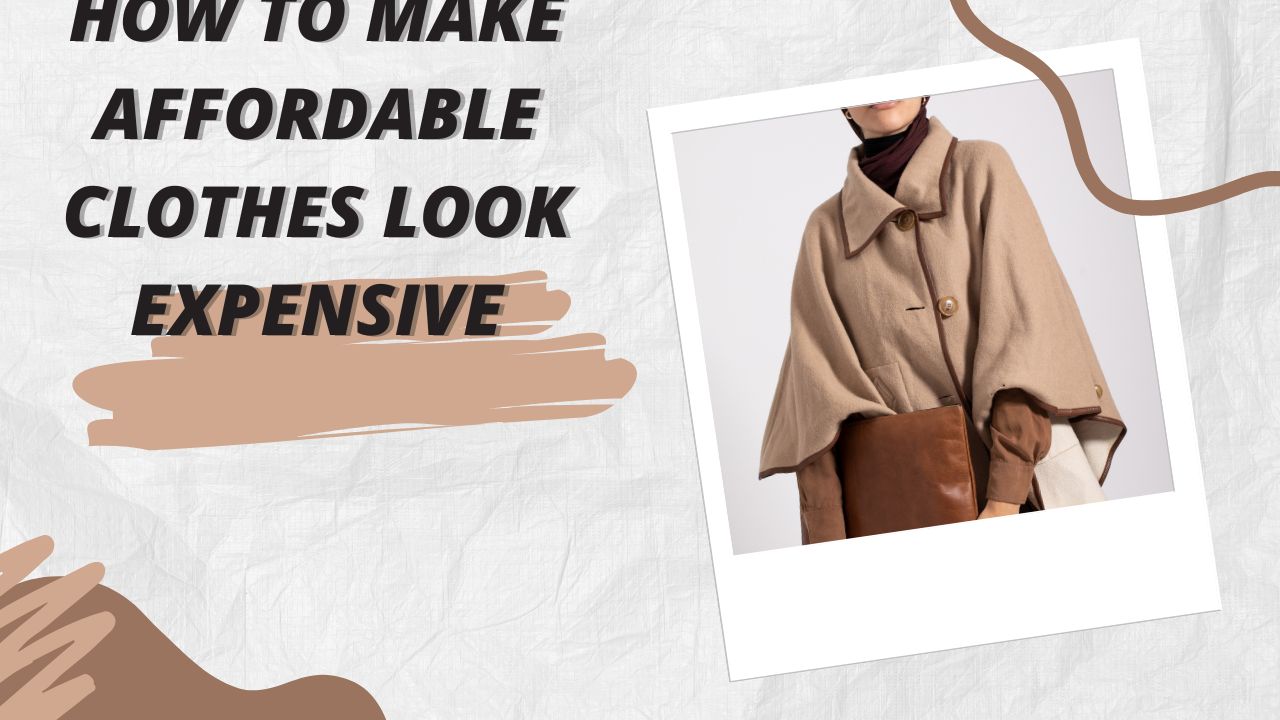
Looking expensive does not always require a designer wardrobe or a huge shopping budget. With the right styling techniques, even affordable clothes can create a polished, elegant, and luxurious appearance. The secret is not the price tag—it is the fit, fabric, color, condition, and way you put each outfit together. By choosing simple pieces, paying attention to details, and avoiding common styling mistakes, you can make budget-friendly clothing look remarkably sophisticated. Whether you are building a capsule wardrobe or simply want to upgrade your everyday style, these practical fashion tips can help you create expensive-looking outfits without overspending.
1. Prioritize the Fit
The fit of your clothing has one of the biggest effects on how expensive an outfit looks. Even a low-cost blazer, shirt, or pair of trousers can appear refined when it fits your body properly. Avoid clothing that is excessively tight, overly loose, or awkward around the shoulders and waist. Pay particular attention to sleeve length, trouser hems, and shoulder seams. If possible, have inexpensive pieces altered by a tailor. A small adjustment can dramatically improve the silhouette and make basic clothing appear more custom-made. Before buying anything, consider how the garment sits on your body rather than focusing only on the brand or price.
2. Choose Neutral Colors
Neutral colors are an easy way to create a sophisticated wardrobe on a budget. Shades such as black, white, cream, beige, navy, gray, brown, and camel tend to look timeless and easy to coordinate. A simple neutral outfit can often appear more luxurious than a complicated combination of bright colors and busy patterns. You do not need to wear neutrals exclusively, but building outfits around one or two understated shades can create a cleaner appearance. Monochromatic outfits are particularly effective because wearing similar tones from head to toe creates a streamlined and intentional look.
3. Pay Attention to Fabric
Fabric quality can strongly influence how clothing looks and feels. When shopping for affordable clothes, look for materials that hold their shape and do not appear overly thin, shiny, or flimsy. Cotton, linen blends, wool blends, structured knits, and quality-looking synthetic fabrics can all work well when properly constructed. Read the care label and inspect the garment before purchasing it. Look at the stitching, seams, buttons, and lining. Affordable clothing does not have to look cheap if the material has a good texture and the garment maintains its structure.
4. Keep Your Clothes Wrinkle-Free
Wrinkled clothing can make even expensive garments look neglected. Fortunately, this is one of the easiest problems to fix without spending much money. Iron or steam your clothes before wearing them, especially shirts, trousers, dresses, and blazers. A handheld garment steamer can be useful for quick touch-ups, while careful ironing works well for crisp fabrics. Store clothes properly so they do not become heavily creased between wears. Taking a few extra minutes to remove wrinkles instantly creates a cleaner and more polished appearance.
5. Invest in Simple Basics
Affordable fashion becomes much easier to style when your wardrobe contains high-quality-looking basics. Consider investing in simple T-shirts, button-down shirts, straight-leg trousers, dark denim, sweaters, blazers, and clean outerwear. Avoid buying too many trendy pieces that may quickly look dated. Instead, choose versatile garments that can be combined in multiple ways. A plain white shirt, for example, can work with jeans for a casual outfit or tailored trousers for a more sophisticated appearance. Simple clothing provides a strong foundation for creating expensive-looking outfits.
6. Upgrade Your Accessories
Accessories can completely change the impression of an outfit. A simple outfit can look significantly more refined with a structured handbag, classic belt, minimalist watch, elegant sunglasses, or understated jewelry. You do not need expensive accessories. Focus on clean shapes, subtle details, and materials that look durable. Avoid wearing too many statement pieces at once. One or two carefully selected accessories usually look more sophisticated than several competing items. Accessories should complement your clothing rather than overwhelm it.
7. Choose Quality-Looking Shoes
Shoes are one of the first details people may notice, so they can have a major effect on your overall appearance. Choose simple shoes with clean lines and versatile colors such as black, brown, white, beige, or tan. Keep them clean and properly maintained. Scuffed, dirty, or badly worn footwear can make an otherwise polished outfit look unfinished. You do not need a large shoe collection. A few versatile pairs that work with different outfits can provide more value than constantly buying inexpensive trendy shoes.
8. Create Monochromatic Outfits
A monochromatic outfit uses different shades of the same color to create a cohesive appearance. This styling method is especially effective when you want affordable clothes to look more luxurious. Try combining cream trousers with a beige top and a camel jacket, or wear different shades of gray together. The matching color family creates visual continuity and makes the outfit look intentionally coordinated. You can also use different textures to prevent the outfit from appearing flat. This simple styling technique can make inexpensive individual pieces look like part of a carefully planned wardrobe.
9. Avoid Excessive Logos
Large logos and excessive branding can sometimes make affordable clothing look less sophisticated. If your goal is an elegant appearance, prioritize clean designs without prominent graphics or unnecessary branding. Minimalist clothing often has a timeless quality that makes it easier to create polished outfits. This does not mean logos are always bad, but they should not dominate your look. A simple, well-fitted garment without obvious branding can often appear more refined than a heavily decorated piece.
10. Maintain Your Clothes Properly
Clothing maintenance is essential when you want your wardrobe to look expensive. Remove lint from sweaters, repair loose buttons, trim loose threads, and wash garments according to their care instructions. Avoid over-washing delicate pieces because excessive washing can damage fibers and fade colors. Fold knitwear instead of hanging it when appropriate, and use suitable hangers for structured garments. Proper storage also helps preserve shape. Well-maintained inexpensive clothing can look better than expensive clothing that has been neglected.
11. Use Strategic Layering
Layering can add depth and sophistication to simple clothing. Try wearing a structured jacket over a basic T-shirt, a button-down shirt beneath a sweater, or a lightweight coat over a simple dress. The key is to keep the layers balanced. Avoid combining too many bulky pieces because they can make an outfit look messy. Use different textures and lengths to create visual interest. Strategic layering makes basic wardrobe pieces appear more intentional and can help you create several outfits from a limited number of clothes.
12. Tailor Affordable Clothing
Tailoring is one of the most powerful ways to make budget clothing look custom-made. You can have trousers shortened, sleeves adjusted, waistlines refined, or jackets shaped to fit better. You do not necessarily need to alter every garment. Focus on important pieces that you wear frequently. A small tailoring investment can transform the appearance of an inexpensive item. Instead of asking whether a garment is perfect straight from the store, consider whether it can be adjusted to fit you properly.
13. Keep Your Outfit Simple
Luxury-inspired fashion often relies on simplicity. Instead of wearing many trends at once, choose a few well-coordinated pieces. For example, straight-leg trousers, a fitted top, a structured jacket, and clean shoes can create a sophisticated outfit without complicated styling. Avoid adding unnecessary patterns, accessories, and colors. When every element has a purpose, the outfit feels more intentional. Simple does not mean boring—it means each piece contributes to the overall look.
14. Pay Attention to Small Details
Small details can make a surprisingly large difference. Make sure buttons are secure, zippers work properly, collars sit correctly, and hems are not damaged. Check that your clothing is free from stains, pet hair, lint, and loose threads before leaving home. Tuck or untuck your shirt intentionally rather than accidentally. Adjust your sleeves and accessories so everything looks deliberate. These small habits cost almost nothing but can significantly improve your overall presentation.
15. Build a Capsule Wardrobe
A capsule wardrobe can help you create an expensive-looking style without buying large amounts of clothing. Choose a limited collection of versatile pieces that work together in multiple combinations. Focus on neutral colors, classic silhouettes, and quality-looking fabrics. For example, a capsule wardrobe might include tailored trousers, dark jeans, a white shirt, neutral knitwear, a blazer, a simple dress, versatile shoes, and a structured bag. Because each item works with several others, you can create numerous polished outfits while spending less money.
16. Shop More Selectively
Making affordable clothes look expensive starts with buying the right pieces. Do not purchase something simply because it is cheap or currently trending. Examine the stitching, fabric, fit, buttons, zippers, and overall construction. Ask yourself whether you can create at least three outfits with the item. Shopping selectively prevents your wardrobe from becoming overcrowded with pieces that do not work together. Sales, outlet stores, thrift shops, and secondhand platforms can also provide opportunities to find stylish garments at lower prices.
17. Balance Trends With Classic Pieces
Following every fashion trend can quickly make your wardrobe expensive and difficult to coordinate. Instead, use trendy pieces as accents while keeping most of your outfit classic. For example, pair a current-season accessory with timeless trousers and a simple shirt. This approach allows you to participate in fashion trends without replacing your entire wardrobe every season. Classic silhouettes also tend to look more polished because they are less likely to appear dated after a short period.
18. Coordinate Your Colors Carefully
Color coordination can instantly make an outfit look more expensive. Try limiting your outfit to two or three main colors. If you are wearing a bold piece, keep the rest of the outfit relatively understated. You can also repeat one color in small details, such as matching your belt with your shoes. Coordinated colors create visual harmony and make even inexpensive pieces look intentionally selected. If you are unsure, neutral colors provide a reliable foundation for experimentation.
19. Choose Structure Over Excess Decoration
Structured garments often create a more polished silhouette than heavily decorated clothing. Look for jackets with defined shoulders, trousers with clean lines, structured handbags, and coats that hold their shape. Excessive ruffles, unnecessary embellishments, and complicated patterns can sometimes make inexpensive garments appear less refined. This does not mean decorative clothing should be avoided entirely. Instead, balance one distinctive piece with simpler items so the overall outfit remains sophisticated.
20. Confidence Completes the Look
The final ingredient in making affordable clothes look expensive is confidence. Clothing looks best when you feel comfortable and intentional in what you are wearing. Stand upright, choose pieces that suit your personality, and avoid constantly adjusting your outfit. Expensive style is not simply about mimicking luxury brands. It is about looking polished, comfortable, coordinated, and purposeful. When your clothing fits well and you wear it confidently, the price becomes far less important.
Final Thoughts
Learning how to make affordable clothes look expensive is mainly about smart styling rather than spending more money. Prioritize fit, neutral colors, good-looking fabrics, clean shoes, thoughtful accessories, proper maintenance, and simple combinations. Tailoring and careful shopping can further improve the appearance of budget-friendly clothing. You do not need a designer wardrobe to look polished. With attention to detail and a consistent personal style, inexpensive pieces can create outfits that look sophisticated, timeless, and put together.