
Gutter Guard Reviews: The Ultimate Guide to Ending Gutter Cleaning
It is the chore every homeowner dreads. As autumn leaves begin to fall, you find yourself dragging out the ladder, balancing precariously near the roofline, and scooping handfuls of wet, decaying sludge from your gutters. Not only is this unpleasant, but it is also dangerous. Thousands of ladder-related injuries occur every year during home maintenance.
The promise of gutter guards is simple: install them once, and never clean your gutters again. But with hundreds of products on the market—from cheap plastic screens to high-end stainless steel micromesh—how do you know which ones actually work? Do they handle heavy rain? Do they stop pine needles? Or do they just create a new shelf for debris to sit on?
At Roof Insider, we have analyzed the top-rated systems to bring you this comprehensive gutter guard review. We break down the best DIY options, the pros and cons of each material, and which systems are worth your hard-earned money.
Understanding the Contenders: Types of Gutter Guards
Before diving into specific product reviews, it is crucial to understand that not all guards are created equal. They generally fall into five categories, each with distinct advantages and weaknesses.
- Micro-Mesh: Uses a surgical-grade stainless steel screen. Blocks even the smallest debris like shingle grit and pollen. Usually the most expensive but most effective.
- Screen/Mesh: Metal or plastic grids with larger holes. Good for leaves but lets pine needles and grit through.
- Reverse Curve (Surface Tension): Solid helmets that rely on water clinging to the surface to enter the gutter while leaves fall off.
- Brush: A giant pipe cleaner that sits inside the gutter. Keeps big leaves out but can trap small debris inside the bristles.
- Foam: A triangular sponge wedge that fills the gutter. porous enough for water, but often clogs with oils and moss over time.
Choosing the right type depends on the trees surrounding your home. If you have pine trees, a standard screen will fail. If you have oak trees, almost any guard will work. You also need to consider your roof type—installing guards on metal roofs requires different considerations, such as snow guards, compared to asphalt shingles.
1. Stainless Steel Micro-Mesh (e.g., Raptor, LeafFilter Style)
If you are looking for the “set it and forget it” solution, stainless steel micro-mesh is the gold standard. These systems feature a mesh so fine that it blocks everything except water. This is particularly important for protecting your underground drains from getting clogged with shingle granules.
Performance Review
In our analysis, micro-mesh guards offered the best protection against pine needles, which are the nemesis of most gutter systems. Because they are often made of stainless steel and aluminum, they do not warp in the sun or become brittle in winter. They also help prevent insects and pests from entering the gutter channel—a crucial defense if you are worried about are roof rats dangerous nesting in your eaves.
Installation Note: These typically screw into the lip of the gutter and the fascia. You will need a good roofing tool belt and a drill. The rigid structure actually strengthens your gutters, preventing them from sagging.
Pros
- Blocks pine needles, roof grit, and pests.
- Does not warp or degrade in UV light.
- Handles heavy rainfall without overshoot (mostly).
- Low profile is invisible from the ground.
Cons
- Higher upfront cost than plastic or foam.
- Requires screws (more labor-intensive install).
- In heavy pollen areas, the mesh may need a scrub every few years.

Our Top Choice: Raptor Stainless Steel Micro-Mesh. Fits any 5-inch gutter and won’t rust.
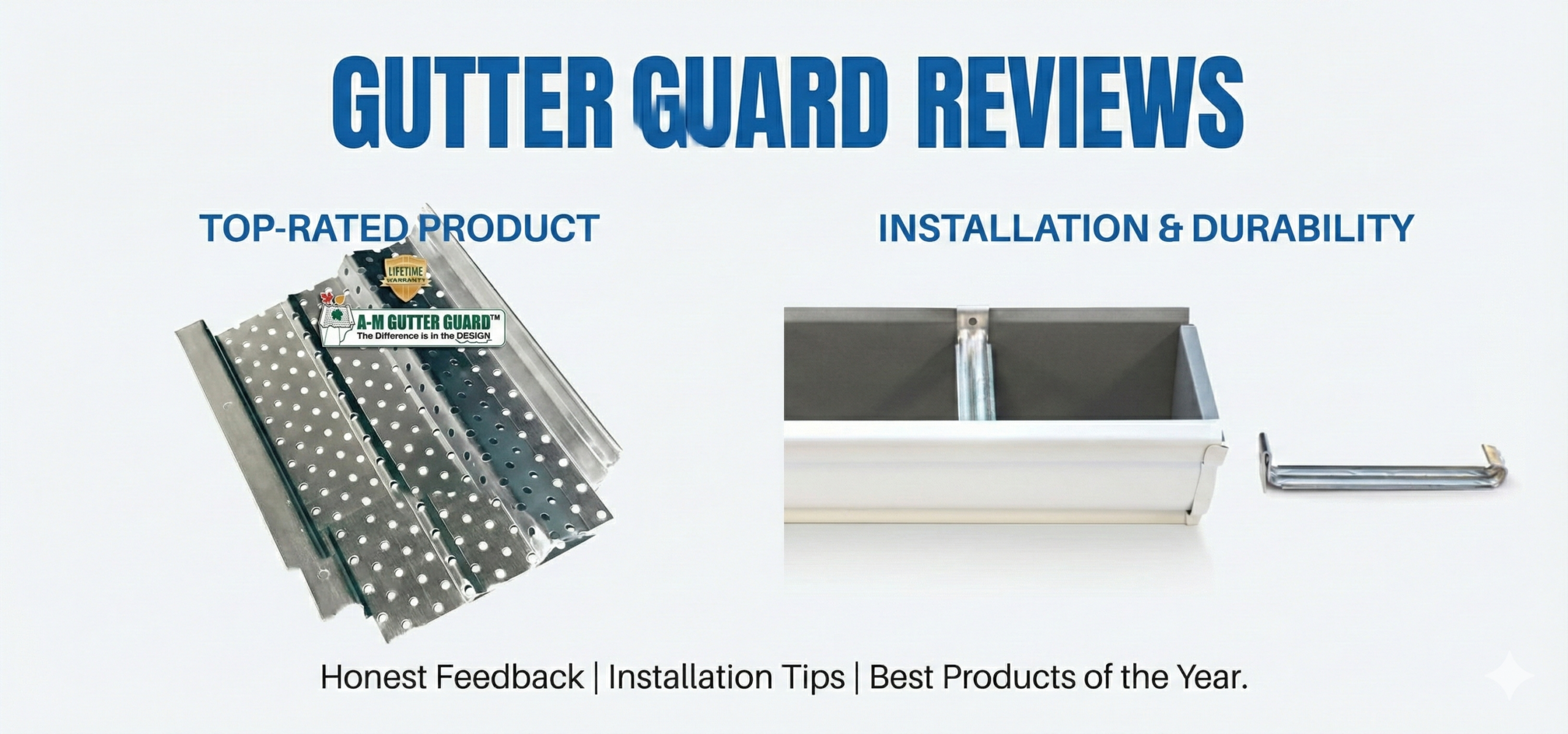
Check Price on Amazon2. Aluminum Screen Guards (e.g., A-M Gutter Guard)
For homeowners who want durability without the premium price of micro-mesh, heavy-duty aluminum screens are the sweet spot. These are not the flimsy plastic rolls you buy at big-box stores. These are rigid, perforated aluminum sheets that snap or screw onto the gutter.
Performance Review
These guards excel at shedding large leaves (maple, oak) and are incredibly durable. Because they are metal, rodents cannot chew through them to access your attic. However, the holes are large enough that pine needles can sometimes spear through, and shingle grit will definitely pass into the gutter. This means you might still need to flush your gutters occasionally, but you won’t be scooping out muck.
If you live in an area with heavy snow, these are excellent because they can support the weight of ice and snow better than plastic options. Just ensure your roof flashing is in good condition, as some of these slide under the first row of shingles.
Pros
- Very affordable compared to micro-mesh.
- Extremely durable; lasts decades.
- Easy to install for DIYers.
- Maximum water flow for torrential rains.
Cons
- Allows pine needles and shingle grit inside.
- Visible from the ground if not color-matched.
- Can be difficult to cut around corners.

Best Value Pick: A-M Aluminum Gutter Guard. Easy to install and virtually indestructible.
Check Price on Amazon3. Bottle Brush Guards (e.g., GutterBrush)
The concept is simple: a giant, cylindrical bristle brush that sits inside your gutter. It prevents leaves from settling in the bottom of the gutter while allowing water to flow through the bristles.
Performance Review
This is the ultimate DIY product because no tools are required—you simply slide it in. It works surprisingly well for large leaves, which sit on top of the bristles and blow away when dry. However, it is a nightmare for pine needles and helicopter seeds, which get trapped in the bristles and turn into a compost heap over time. Cleaning a brush guard involves pulling the entire dirty brush out and shaking it, which can be messy.
One hidden benefit is that birds and rodents dislike the bristles, so it can act as a deterrent similar to bird spikes for roofs.
Pros
- Zero tools required for installation.
- Inexpensive.
- Prevents birds from nesting in gutters.
Cons
- Traps small debris, requiring frequent cleaning.
- Takes up space in the gutter, reducing water capacity.
- Not suitable for areas with heavy pine trees.

Installation Safety and Best Practices
Whether you choose a premium micro-mesh or a simple screen, installation involves working at heights. Before you begin, ensure you have the best roof ladders with stabilizers to prevent damage to your new gutters or the roof edge.
Safety Gear is Non-Negotiable
If you are working on a second-story home, we strongly recommend using a roof harness. A slip from that height can be fatal. Additionally, wear non-slip roofing shoes if you are stepping onto the roof surface to access the gutters from above.
Inspect Before You Protect
Do not install guards over damaged gutters. Check for:
- Sagging: You may need new hangers.
- Leaks: Apply the best roof sealant to end caps and seams.
- Rot: Inspect the fascia board behind the gutter. If water has been overflowing, you might have rot that needs attention before covering it up.
Also, if you are seeing moss on roof edges, treat it before installation. Moss can grow over the gutter guards and block the mesh.
Comparison: Which Gutter Guard is Right for You?
| Guard Type | Best For | Pine Needle Protection | Installation Difficulty | Est. Cost per Foot |
|---|---|---|---|---|
| Micro-Mesh | All debris, long-term solution | Excellent | Moderate (Screws) | $2.50 – $4.00 |
| Aluminum Screen | Large leaves, heavy snow | Fair | Easy (Snaps/Screws) | $1.00 – $2.00 |
| Bottle Brush | Large leaves only, easy install | Poor | Very Easy (Drop-in) | $3.00 – $4.50 |
| Foam Insert | Short-term fixes | Poor | Very Easy (Drop-in) | $1.50 – $2.50 |
| Reverse Curve | Heavy rain handling | Fair | Hard (Pro recommended) | $5.00+ |
Frequently Asked Questions
Do gutter guards actually work in heavy rain?
Yes, but efficiency varies by type. Screen and micro-mesh guards allow high water volume to pass through. Reverse curve helmets can sometimes cause water to “overshoot” the gutter in torrential downpours if not pitched correctly or if the surface tension is broken by dirt.
Will gutter guards cause ice dams?
Gutter guards do not cause ice dams, but they can make them more visible. Ice dams are caused by heat escaping the attic. However, guards can freeze over, preventing meltwater from entering the gutter. To truly prevent ice dams, focus on attic insulation and installing the best roof exhaust fans.
Can I install gutter guards on a metal roof?
Yes, but you must be careful. Snow slides off metal roofs with great force and can rip gutter guards off. If you are asking are metal roofs good in Florida (where there is no snow), guards are fine. But in snowy climates, you should install snow guards on the roof to break up the snow load before it hits the gutter system.
What if I hire a pro instead?
Hiring a pro saves you the risk of climbing a ladder. Just be aware that professional installation costs significantly more. If you go this route, ensure they inspect the fascia for rot. You might wonder roof inspection cost—often, gutter installers will do a basic check for free as part of the estimate.
Final Verdict
After reviewing the top options on the market, the verdict is clear. For most homeowners, Stainless Steel Micro-Mesh guards offer the best balance of performance, longevity, and maintenance reduction. They keep the muck out while letting the water in, protecting your home’s foundation and saving you from the dangerous biannual ladder climb.
If you are on a budget and deal primarily with large leaves, Aluminum Screens are a fantastic, durable second choice. Avoid foam and brush filters unless you are looking for a very temporary solution.
Ready to protect your home?
Don’t wait for the next storm. Secure your gutters with the best rated guards today.
Browse Best Selling Gutter Guards on Amazon