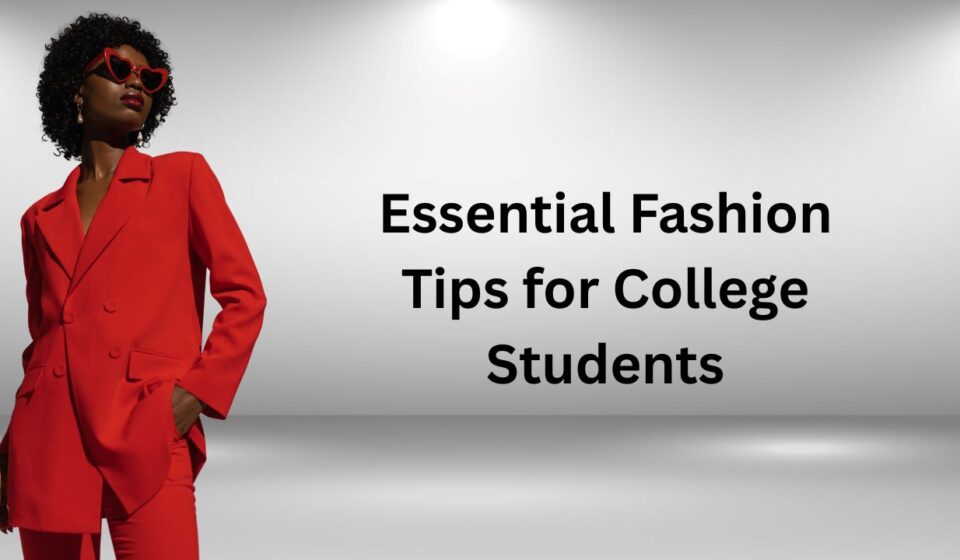

College is a great time to develop your personal style while staying comfortable and managing a student budget. You do not need an expensive wardrobe to look polished and confident. The key is to choose versatile clothes, understand what suits you, and create outfits that work for classes, events, and everyday activities. These fashion tips for college students can help you build a practical wardrobe without spending too much. From choosing basic clothing to styling accessories, small changes can make a big difference. The best college fashion is usually simple, comfortable, affordable, and suitable for your daily routine.
Build a Wardrobe With Basic Pieces
Start with basic clothing items that can be mixed and matched easily. Plain T-shirts, comfortable jeans, casual shirts, neutral trousers, hoodies, and simple jackets are useful choices. Select colors such as black, white, navy, gray, beige, and denim because they work well with many outfits. Having versatile basics means you can create several looks from a small wardrobe. Instead of buying many trendy pieces, focus on clothes that you can wear often. A strong collection of basics also makes getting dressed for college much easier.
Choose Comfort for Everyday Classes
College students often spend several hours walking between classrooms, sitting in lectures, studying, and meeting friends. Comfortable clothing should therefore be a major part of your style. Choose breathable fabrics and clothes that allow easy movement. Avoid wearing something simply because it looks fashionable if you cannot feel comfortable in it for several hours. Comfortable sneakers, relaxed-fit trousers, soft T-shirts, and lightweight layers can create an attractive everyday look. When your clothes feel comfortable, you are more likely to feel confident throughout the day.
Invest in Versatile Jeans
A good pair of jeans can become one of the most useful items in a college wardrobe. Choose a fit that feels comfortable and suits your body shape. Straight-leg, relaxed, slim, and wide-leg jeans can all work depending on your personal style. Dark and medium denim are particularly easy to combine with different tops. You can wear jeans with a T-shirt and sneakers for a casual class outfit or pair them with a shirt and clean shoes for a more polished appearance. One or two quality pairs are often better than several uncomfortable pairs.
Learn How to Layer Clothes
Layering can make simple outfits look more stylish without requiring many clothes. Try wearing a T-shirt under an open shirt, a hoodie beneath a jacket, or a sweater over a collared shirt. Layers are also practical when classroom temperatures and outdoor weather are different. Keep your layers visually balanced by combining different textures and lengths. For example, a basic T-shirt with an open overshirt and jeans creates an easy casual outfit. Learning simple layering techniques can give your wardrobe more variety.
Pick the Right Shoes
Shoes can strongly affect the overall appearance of an outfit. For college, prioritize comfort because you may walk long distances during the day. Clean sneakers are a useful everyday option and can match jeans, trousers, shorts, and casual dresses. You can also keep one pair of slightly formal shoes for presentations, interviews, college events, or special occasions. Neutral colors are usually easier to style. Most importantly, keep your shoes clean and in good condition. Even a simple outfit can look much better when paired with well-maintained footwear.
Use Colors Wisely
You do not need to wear bright colors to create fashionable outfits. A simple color combination can look polished and modern. Start with neutral colors and add one stronger color when you want more attention. For example, a white T-shirt, blue jeans, and a green overshirt can create a balanced look. Try not to use too many competing colors in one outfit. Understanding basic color coordination can help you combine clothes more confidently. Over time, you will learn which colors work best with your existing wardrobe and personal preferences.
Choose Clothes That Fit Properly
Good fit is one of the most important parts of college fashion. Expensive clothing can look unattractive when it is too tight, too loose, too long, or too short. Your clothes should allow comfortable movement while maintaining a clean shape. Pay attention to shoulder seams, sleeve length, trouser length, and waist fit. Different styles can have different fits, so there is no single correct choice. The goal is to choose clothing that feels comfortable and looks intentional. If possible, try clothes before buying them or check the size guide when shopping online.
Create Outfits for Different College Activities
Your college wardrobe should work for more than regular classes. You may need outfits for presentations, interviews, club meetings, parties, cultural programs, or college trips. Keep a few smart-casual pieces available for these situations. A clean button-down shirt, chinos, simple trousers, a blazer, a modest dress, or polished shoes can quickly make an outfit more formal. Having a few flexible options prevents last-minute outfit problems. Think about your weekly activities and build your wardrobe around the situations you regularly experience.
Do Not Follow Every Fashion Trend
Fashion trends can be fun, but you do not need to follow every new style. Trends often change quickly, while useful wardrobe pieces can remain attractive for years. Before buying something trendy, ask yourself whether you would still wear it several months from now. Choose trends that fit your existing style instead of completely changing your wardrobe. Personal style develops when you understand what you like and wear it confidently. Use trends as inspiration rather than rules.
Accessorize Without Overdoing It
Accessories can make a simple college outfit more interesting. Watches, belts, sunglasses, backpacks, caps, scarves, necklaces, bracelets, and simple earrings can add personality. However, using too many accessories at once can make an outfit look crowded. Choose a few pieces that complement your clothing. A simple watch and clean backpack may be enough for an everyday outfit. When attending an event, you can add one or two more noticeable accessories. The goal is to support your outfit rather than make the accessories the only focus.
Choose a Practical College Bag
A college bag should combine style, comfort, and function. Choose one with enough space for your books, laptop, charger, stationery, water bottle, and other daily items. Backpacks are popular because they distribute weight across both shoulders. Look for strong materials, comfortable straps, and useful compartments. Neutral colors can work with most outfits, while a simple design usually remains stylish for longer. A well-organized bag can also help you avoid carrying unnecessary items every day.
Keep Your Clothes Clean and Fresh
Good personal style is not only about buying fashionable clothes. Clean and well-maintained clothing can make a basic outfit look much better. Wash clothes according to their care instructions and avoid wearing items that have strong odors or visible stains. Iron or steam garments when needed, especially shirts and trousers. Check your shoes, bags, and jackets regularly for dirt. Proper clothing care can also extend the life of your wardrobe and reduce the need to replace items frequently.
Shop According to Your Budget
College students often have limited budgets, so smart shopping matters. Before buying clothes, consider whether the item can be worn with several pieces you already own. Compare prices and look for seasonal sales when appropriate. Avoid purchasing something only because it is heavily discounted. A cheap item that you never wear is still wasted money. Instead, focus on quality, usefulness, and cost per wear. Building your wardrobe slowly can be more affordable than buying many items at once.
Try Thrift and Secondhand Fashion
Secondhand shopping can be a useful way to find affordable clothing and interesting pieces. Thrift stores, resale platforms, and local secondhand markets may offer shirts, jackets, jeans, bags, and other items at lower prices. Always inspect the condition, stitching, zippers, buttons, and fabric before buying. Wash secondhand clothing properly before wearing it. You may also find older styles that give your outfits a distinctive look. Buying secondhand can make fashion more affordable while helping you use existing clothing resources.
Develop Your Personal Style
Personal style is more important than copying another person’s wardrobe. Pay attention to the outfits you naturally enjoy wearing. You may prefer minimal, sporty, streetwear, classic, vintage, casual, or smart-casual clothing. Save outfit ideas that appeal to you and look for patterns in your choices. Over time, you will understand your preferred colors, fits, fabrics, and accessories. Confidence grows when your clothes feel like a natural expression of your personality. The best college fashion tips should help you develop your own style rather than make you follow strict rules.
Dress According to the Weather
Weather should influence your college outfit choices. In hot and humid conditions, lightweight and breathable fabrics can help you stay comfortable. During cooler weather, sweaters, hoodies, jackets, and layered outfits can provide warmth. Rainy conditions may require water-resistant footwear, a rain jacket, or a practical umbrella. Choosing clothing based on the weather keeps you comfortable and helps your outfit remain functional. A fashionable outfit is less useful if it makes you uncomfortable throughout the day.
Avoid Overloading Your Wardrobe
Having too many clothes does not automatically create better style. An overcrowded wardrobe can make it harder to find suitable outfits and may encourage unnecessary shopping. Review your clothes regularly and identify pieces you actually wear. Keep items that fit well, match your lifestyle, and make you feel comfortable. Consider donating or responsibly passing on clothes that no longer suit you. A smaller wardrobe with versatile pieces can make daily dressing faster and easier.
Pay Attention to Grooming
Fashion and grooming work together. Clean hair, fresh breath, neat nails, and good personal hygiene can improve your overall appearance. Grooming does not need to be complicated or expensive. Develop simple daily habits that fit your routine. Keep your clothes clean and choose a fragrance that is subtle rather than overwhelming. Your appearance should feel neat and comfortable rather than overly prepared. Good grooming can complement even a simple college outfit.
Build a Small Smart-Casual Collection
Every college student should have a few outfits that look more polished than everyday clothing. These can be useful for presentations, internships, interviews, networking events, dinners, and formal college programs. A smart-casual collection might include a well-fitted shirt, clean trousers or chinos, a versatile jacket, and appropriate footwear. For women, options may include a simple dress, tailored trousers, a blouse, or a smart blazer. Keep these pieces in good condition so they are ready whenever an important event appears.
Avoid Uncomfortable Fashion Choices
Some fashion choices may look attractive but become difficult to manage during a busy college day. Very tight clothing, uncomfortable shoes, heavy accessories, or fabrics that cause irritation can reduce your comfort. College fashion should support your daily lifestyle rather than make ordinary activities difficult. Before wearing something for a full day, consider how it feels when walking, sitting, carrying a bag, or using public transportation. Practicality is an important part of good style.
Create a Simple Weekly Outfit Plan
Planning outfits can save time and reduce unnecessary decisions during busy college mornings. At the beginning of the week, check your classes, activities, weather, and upcoming events. Then prepare a few outfit combinations using clothes you already own. You can repeat certain pieces while changing shirts, shoes, accessories, or outer layers. This approach helps you discover new combinations without buying more clothes. It also makes your wardrobe easier to use and keeps your everyday style consistent.
Final Thoughts on College Fashion
The best fashion tips for college students focus on comfort, affordability, versatility, and personal style. You do not need designer clothing or a huge wardrobe to look good. Start with useful basics, choose comfortable shoes, learn simple color coordination, maintain your clothes, and add accessories carefully. Most importantly, wear clothes that suit your lifestyle and make you feel confident. College is an ideal time to experiment with different looks and discover what works for you. Build your wardrobe gradually, make thoughtful purchases, and let your personal style develop naturally.
