
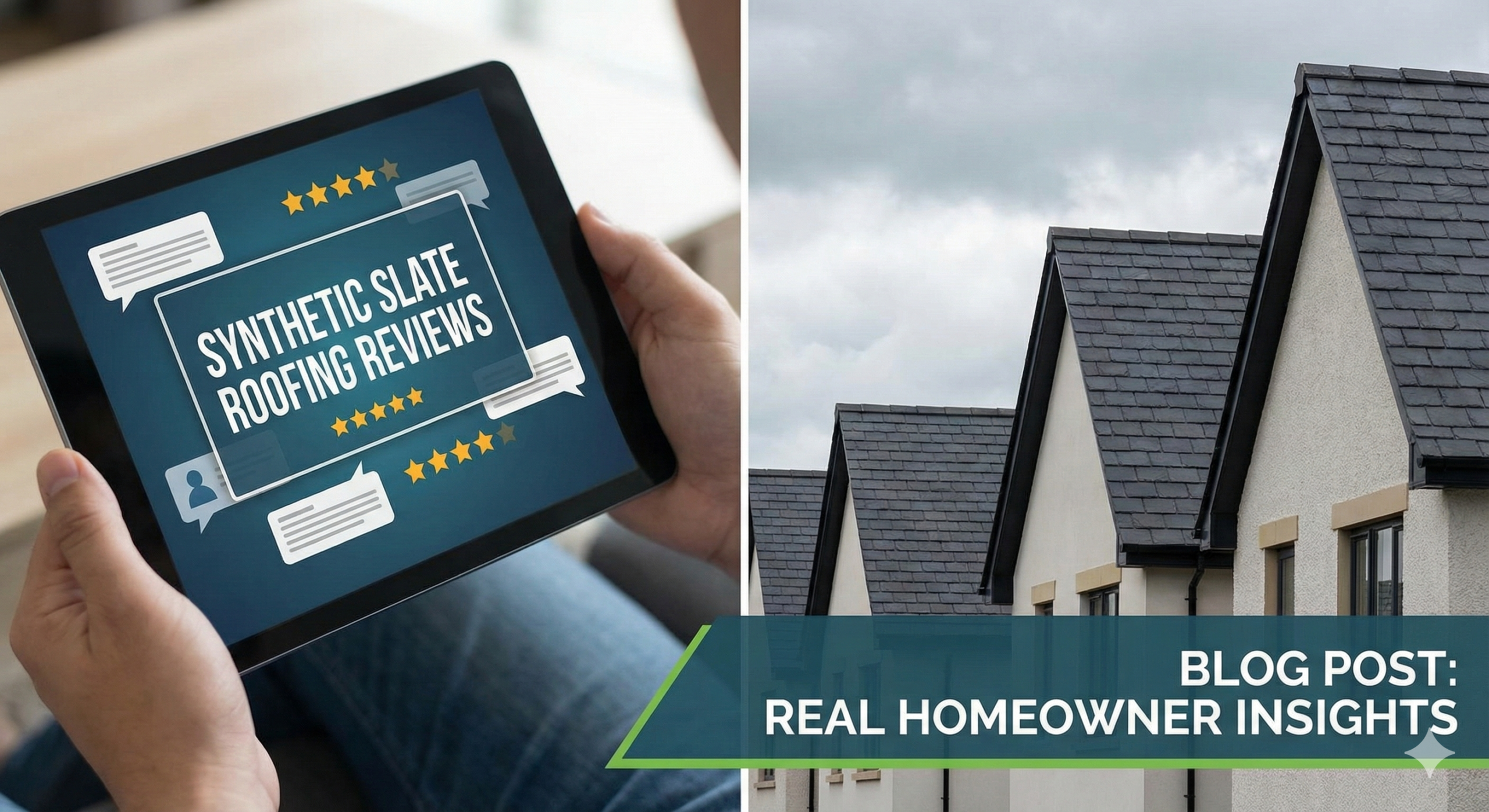
Synthetic Slate Roofing Reviews: Is Composite Stone Worth the Investment?
The allure of a slate roof is undeniable. It speaks of old-world charm, permanence, and luxury. But for many homeowners, the dream of natural slate is shattered by the reality of the weight, the fragility, and the astronomical cost. This is where synthetic slate roofing enters the conversation.
In this comprehensive review guide, we aren’t just skimming the surface. We are deep-diving into the world of composite polymers, rubberized roofing, and plastic slate alternatives. Is it possible to get the quarried look without the quarry price? Which brands are actually surviving the test of time?
We will evaluate the top manufacturers, compare them against natural stone and asphalt, and help you decide if this high-tech roofing material is the right shield for your home.
What is Synthetic Slate Roofing?
Synthetic slate—often referred to as composite slate or polymer roofing—is a roofing material designed to mimic the texture, thickness, and color variations of natural slate stone. Unlike quarried slate, which is mined from the earth, synthetic slate is engineered in factories using a blend of plastic, rubber, and mineral fillers.
The primary goal of these products is to solve the inherent problems of stone roofing:
- Weight: Real slate can weigh 800 to 1,500 pounds per square (100 sq ft). Synthetic usually weighs closer to 250-400 pounds, similar to high-end asphalt.
- Fragility: Stone cracks under foot traffic or hail. High-quality synthetics often carry Class 4 Impact Ratings (the highest available).
- Cost: Material and labor combined, synthetics are significantly more affordable than traditional masonry roofing.
Before diving into specific brand reviews, it is vital to understand that not all synthetics are created equal. The market ranges from cheap plastic tiles that sheen unnaturally in the sun, to high-end engineered polymers that are indistinguishable from stone even from five feet away.
If you are considering a roof replacement, understanding the cost implications for a 3000 sq ft house is a good starting point to see where synthetic slate fits into your budget.
Top Synthetic Slate Brands Reviewed
1. DaVinci Roofscapes
DaVinci is arguably the market leader in the composite roofing space. Their “Bellaforté” and “Single-Width” slate lines are the benchmarks against which other products are measured.
The Look: DaVinci tiles are modeled from actual slate templates, capturing the chisel marks and texture perfectly. Their “VariBlend” technology mixes different shades in the same bundle, ensuring you don’t get a roof that looks like a checkerboard.
Performance: These tiles are constructed from a virgin resin polymer. They are Class A fire-rated (with proper underlayment) and Class 4 impact-rated. In hurricane zones, they are rated for winds up to 110 mph.
Verdict: The premium choice. It’s expensive compared to asphalt, but cheaper than stone. The aesthetic is nearly flawless.
2. EcoStar
If environmental sustainability is your priority, EcoStar’s “Majestic Slate” is a top contender. Unlike DaVinci which uses virgin polymers, EcoStar utilizes up to 80% recycled post-industrial rubber and plastics.
The Look: Because of the rubber content, EcoStar tiles have a slightly different sheen initially but weather to a very natural matte finish. They are flexible, which helps in hail-prone areas.
Performance: Excellent impact resistance. The flexibility makes them less likely to crack during winter installation compared to rigid plastics. However, you must ensure you use the best roof underlayments to maximize the lifespan of the system.
Verdict: Best for eco-conscious buyers and areas with severe hail.
3. Brava Roof Tile
Brava’s “Old World Slate” is unique because of its thickness. Many synthetics look thin and flat; Brava offers a thick profile that mimics the heavy, rugged look of hand-split slate.
The Look: They offer one of the widest color palettes in the industry. If you want a custom color mix, Brava is often the go-to manufacturer.
Performance: Fully recyclable and incredibly durable. They offer a 50-year limited warranty that is transferable, adding value to the home resale.
Verdict: The best choice for homeowners who want a “heavy” texture look without the structural reinforcement requirements.

Planning to inspect your own roof? Safety first. Synthetic slate can be slippery.
Check Safety Gear on AmazonPerformance Evaluation: How Does It Hold Up?
Impact Resistance (Hail)
This is the synthetic slate’s superpower. In the roofing industry, the UL 2218 Class 4 rating is the gold standard. To pass this, a material takes a hit from a 2-inch steel ball dropped from 20 feet without cracking. Almost all top-tier synthetic slates carry this rating.
If you live in the Midwest or Texas, this is a massive advantage over standard asphalt shingles or real slate, which can shatter. Some insurance companies even offer discounts for Class 4 roofs.
Wind Resistance
Because synthetic tiles are interlocked and nailed down individually, they have exceptional wind uplift resistance. Many are rated for 110mph+, making them suitable for coastal areas. If you are researching the best roofing material for hurricanes, synthetic slate consistently ranks in the top tier alongside metal.
Fire Rating
Most polymers are naturally flammable. However, roofing manufacturers add fire retardants to the mixture. High-quality synthetic slate is usually Class A Fire Rated, but this often depends on the underlayment system used. Always verify the full system specs, not just the tile rating.
Walkability
One common question is: Can you walk on it? Real slate is notorious; you step on a tile, it snaps. Synthetic slate is flexible. While you should always be careful, you generally can walk on these tiles for maintenance without the fear of immediate breakage. However, they can be slippery when wet due to their smooth surface texture.
Head-to-Head Comparison
How does synthetic stack up against the competition? Let’s break it down.
Synthetic Slate vs. Real Slate vs. Asphalt
| Feature | Synthetic Slate | Natural Slate | Architectural Asphalt |
|---|---|---|---|
| Lifespan | 40–60 Years | 75–150+ Years | 20–30 Years |
| Weight (per square) | 250–400 lbs | 800–1,500 lbs | 250–350 lbs |
| Cost | $$$ (High) | $$$$$ (Very High) | $ (Low) |
| Impact Resistance | Excellent (Class 4) | Poor (Brittle) | Fair (Class 3/4) |
| Maintenance | Low | Moderate (Cracked tiles) | Moderate (Granule loss) |
For a deeper comparison on alternative materials, you might want to read our guide on metal roofs vs shingles to see where synthetic sits in the hierarchy of premium roofing.
Pros and Cons of Synthetic Slate
| The Advantages (Pros) | The Disadvantages (Cons) |
|---|---|
|
|
Installation: Not a DIY Job
While synthetic slate is easier to install than real stone, it is not typically a DIY project. The tiles require precise layout (chalk lines) to ensure the pattern doesn’t drift. They are installed using pneumatic nail guns—specifically, you’ll need the best roofing nail gun capable of handling the thickness of the polymer.
Crucial Installation Components:
- Flashing: Don’t skimp here. Copper or high-grade aluminum is necessary. Learn what roof flashing is before hiring a contractor.
- Snow Guards: Synthetic surfaces are slick. In snowy climates, “roof avalanches” are common. You must install snow guards to prevent heavy snow from sliding off and damaging gutters or injuring people below.
- Ventilation: Like all roofs, proper venting is key to longevity. Consider the ridge vent systems designed for tight assemblies.
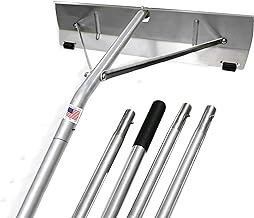
Living in a snowy area? Synthetic slate is slippery. Keep your roof edges clear.
See Roof Rakes on AmazonComparisons with Other Alternatives
If you aren’t sold on synthetic slate, you might be looking at cedar shakes or metal.
Vs. Cedar Shakes: Cedar is beautiful but high maintenance. It requires treatment for moss and fire resistance. Synthetic shakes (made by the same companies like DaVinci) offer the wood look without the rot. Check our cedar shake maintenance guide to see the work involved with real wood.
Vs. Metal Roofing: Standing seam metal is the functional rival to synthetic slate. Metal is often cheaper and sheds snow equally well, but it doesn’t have the “stately” look of slate. Also, rain noise can be louder on metal, whereas the polymer density of synthetic slate deadens sound.
Frequently Asked Questions (FAQ)
Does synthetic slate look fake?
Economy brands can look shiny and plastic-like. However, premium lines from DaVinci, Brava, and EcoStar use variable width molding and multi-color blends that make them virtually identical to stone from the ground level.
How much does synthetic slate cost installed?
Expect to pay between $900 and $1,600 per square (100 sq. ft.) installed. This varies heavily based on roof complexity, pitch, and location. In comparison, real slate can run $2,000 to $4,000 per square.
Do I need to reinforce my roof deck?
No. This is one of the biggest selling points. Synthetic slate weighs roughly the same as premium asphalt shingles. You can usually install it on standard roof decking without the structural engineering required for heavy slate stone.
What is the warranty like?
Most reputable manufacturers offer a Limited Lifetime Warranty or a 50-year warranty. Be sure to check if the warranty is prorated (loses value over time) and if it is transferable to the next homeowner.
Can I pressure wash synthetic slate?
Yes, but use low pressure. High pressure can drive water under the tiles. If you are dealing with algae, check out our guide on how to get rid of moss on a roof for safer chemical treatments.
Final Verdict: Is Synthetic Slate Right For You?
Synthetic slate roofing represents the “sweet spot” in the high-end roofing market. It bridges the gap between the commonality of asphalt and the prohibitive difficulty of natural stone.
Buy Synthetic Slate If:
- You have a historic or luxury home and curb appeal is paramount.
- You live in a hail-prone area and need Class 4 impact resistance.
- You want the “forever roof” look but your home’s structure cannot support the weight of real stone.
Skip It If:
- You are on a tight budget (stick to architectural asphalt).
- You are planning to move in the next 5 years (you may not recoup the full ROI).
Ultimately, products like DaVinci and EcoStar have proven that “fake” doesn’t mean “cheap.” They offer a resilient, beautiful roofing solution that stands up to the elements while adding massive character to your home.

Ready to start your roofing project? Ensure you have the right tools for the job.
Browse Roofing Tools on Amazon