Best Roofing Hatchet
Durability, precision, and balance: We tested the top tools for 2026.
Why the Right Hatchet Matters for Your Roof
In the world of roofing, efficiency is currency. Whether you are installing wood shakes, asphalt shingles, or slate, the tool you carry on your belt dictates your speed and your fatigue levels. A standard hammer might drive a nail, but the best roofing hatchet is a multi-tool marvel designed to cut, trim, gauge, and drive with precision.
Unlike a standard roofing hammer, a hatchet features a sharpened blade for trimming shingles on the fly. This eliminates the constant switching between a knife and a hammer, streamlining your workflow. However, not all hatchets are created equal. Balance, steel quality, gauge adjustability, and grip comfort are non-negotiable factors for the professional roofer.
In this guide, we have analyzed the top contenders on the market to help you find the tool that will become an extension of your arm. From magnetic nail setters to shock-reduction grips, here are the top picks for 2026.
Quick Comparison: Top Picks at a Glance
| Model | Best For | Weight | Material |
|---|---|---|---|
| AJC Mag-Hatch | Overall Performance | 19 oz | Steel / Wood |
| Estwing E3-S | Extreme Durability | 20 oz | Solid Steel |
| Picard 00790 | Slate & Premium Feel | 24 oz | Forged Steel |
| Stiletto LATHAXE | Lightweight/Fatigue | 10 oz | Titanium |
| Vaughan R99 | Value & Grip | 22 oz | Steel / Fiberglass |
1. AJC Mag-Hatch Magnetic Roofing Hatchet
Best Overall
The AJC Mag-Hatch is widely regarded as the gold standard for shinglers who need versatility. What sets this tool apart is its integrated sliding gauge, which can be adjusted for exposure on both metric and standard shingles. This eliminates the need for a tape measure for every course, significantly speeding up installation.
It features a powerful rare-earth magnet in the striking face, allowing for one-handed nail setting—a lifesaver when you are balancing on a steep pitch using roof ladders. The blade is stationary but replaceable, ensuring you always have a sharp edge for trimming felt or shingles.
Pros
- Adjustable sliding gauge for precision.
- Strong magnetic nail holder.
- Replaceable blade extends tool life.
Cons
- Wood handle requires care to prevent rot.
- Slightly heavier head balance.
2. Estwing E3-S Shingler’s Hammer
Best Durability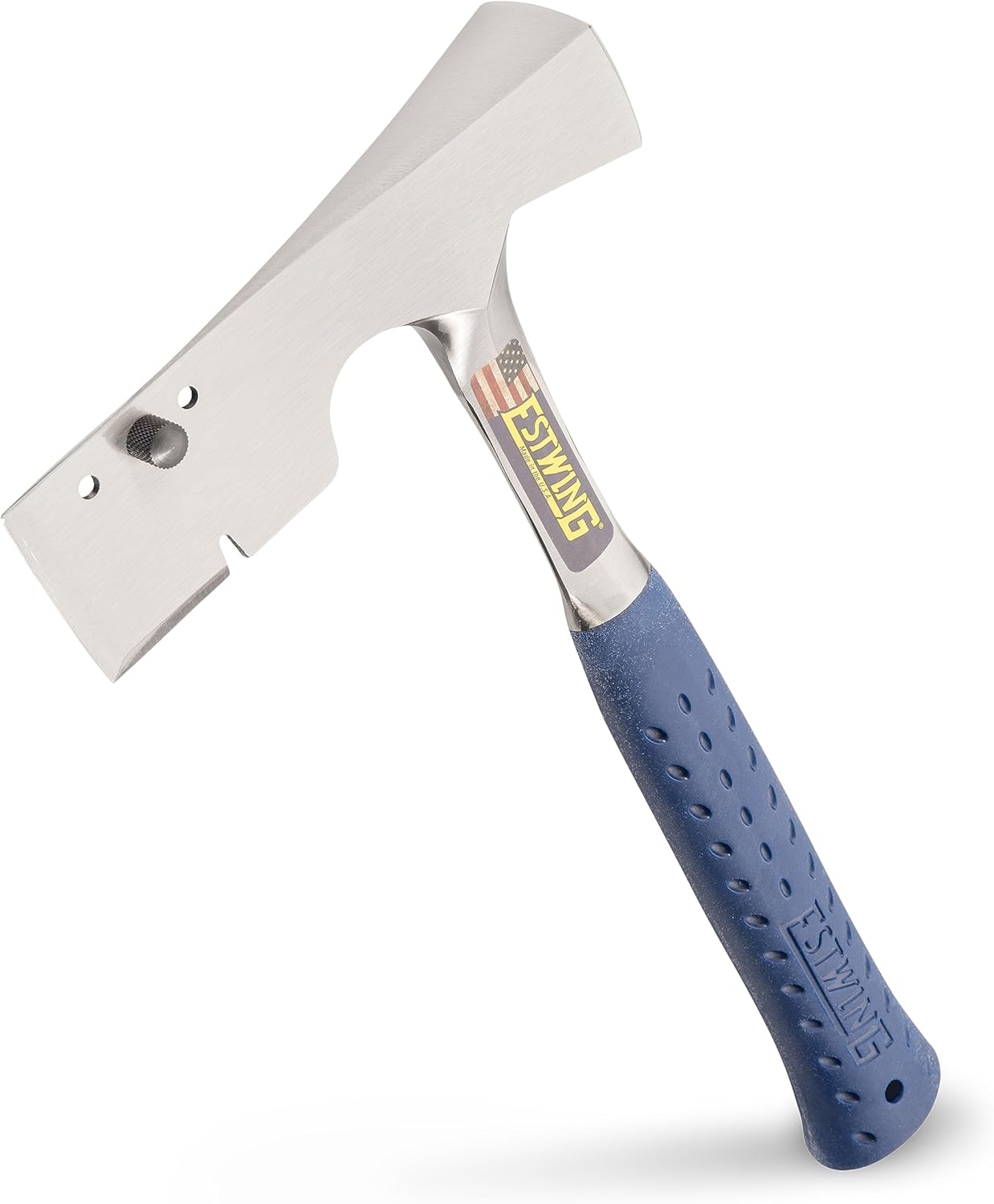
If you want a tool that will outlast your career, the Estwing E3-S is it. Forged in one single piece of solid American steel, there are no welds to break and no heads to fly off. Estwing is legendary for its durability, and this hatchet is no exception.
It features Estwing’s patented Shock Reduction Grip, which reduces impact vibration by up to 70%. This is crucial for preventing tendonitis during long days of nailing. The retractable cutting blade allows you to trim architectural shingles easily, and the gauge can be adjusted for 4″, 5″, and 5-5/8″ exposure.
Pros
- Indestructible one-piece forged steel.
- Shock-absorbing grip protects joints.
- Retractable blade for safety.
Cons
- Steel handle transfers cold in winter.
- Vibration can still be higher than wood.
3. Picard 00790 Slate Roofer’s Hammer
Premium Choice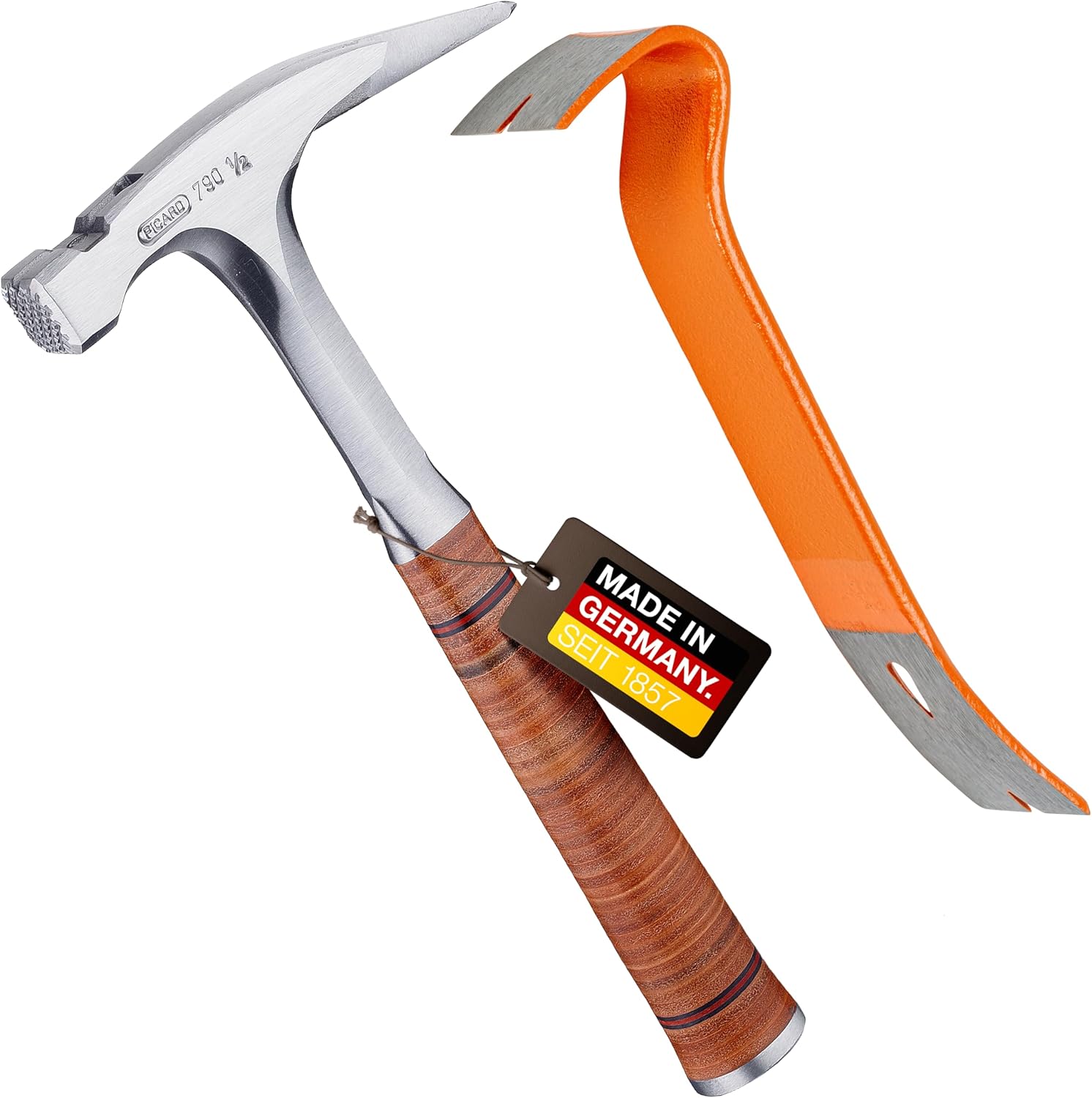
For those specializing in slate or high-end tile, the Picard 00790 is a masterpiece of German engineering. While technically a “slate hammer,” its hatchet-like design with a pointed pick makes it indispensable for punching nail holes in slate tiles on site.
The leather handle grip not only looks beautiful but forms to your hand over time, providing a custom fit that rubber cannot match. The balance is exquisite, allowing for precise strikes without shattering delicate slate roofing materials. It also features a nail puller claw integrated into the blade side.
Pros
- Superior balance for delicate slate work.
- Integrated nail puller and punch.
- Leather handle adapts to user’s hand.
Cons
- Expensive compared to standard hatchets.
- Requires maintenance (leather care).
4. Stiletto LATHAXE Titanium Hatchet
Lightweight Pro
Heavy tools lead to fatigue, and fatigue leads to mistakes. The Stiletto LATHAXE solves this by using titanium. Weighing only 10 ounces, it hits with the force of a 24-ounce steel hammer but saves your elbow and shoulder from wear and tear. This is critical for older roofers or those working daily.
It features a fiberglass handle for additional shock absorption and a magnetic nail starter. While designed primarily for lath work, its sharp blade and light weight make it a favorite for cedar shake installers. Pair this with a lightweight roofing tool belt for the ultimate ergonomic setup.
Pros
- Extremely lightweight titanium head.
- Reduces arm fatigue significantly.
- Magnetic nail starter included.
Cons
- High price point.
- Blade is not replaceable.
5. Vaughan R99 Milled Face Hatchet
Best Value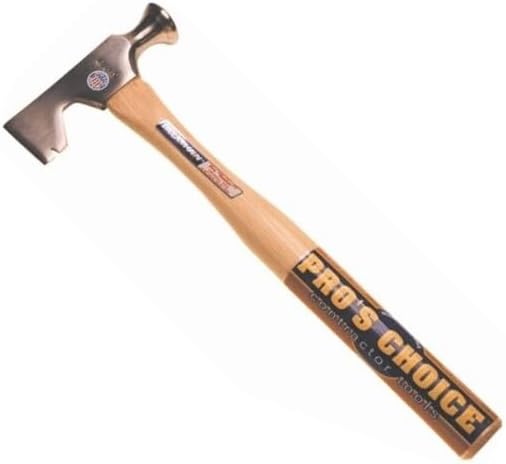
The Vaughan R99 offers professional features at a mid-range price. Known as the “Rig Builder’s Hatchet,” it is robust and heavy (22 oz head), making it excellent for demolition work or driving large nails into stubborn decking. The milled face grips nail heads aggressively, reducing mis-hits.
It includes a sliding gauge for shingle exposure, similar to the AJC model. The handle is made of hickory, which provides a classic feel and natural vibration dampening. This is a solid choice for general contractors who do occasional roofing and need a versatile tool that can handle wind damaged shingles repair.
Pros
- Heavy head drives nails fast.
- Milled face prevents slipping.
- Affordable entry point.
Cons
- Heavy for all-day overhead work.
- Milled face can damage siding if missed.
Buyer’s Guide: How to Choose the Right Roofing Hatchet
Choosing a roofing hatchet isn’t just about picking the shiniest tool. It’s about matching the tool to your specific workflow. Here are the critical factors to consider:
1. Gauge Adjustability
For asphalt shingle installers, a sliding gauge is non-negotiable. It allows you to set the exposure (reveal) of the shingle without pulling out a tape measure. Look for models like the AJC or Estwing that have clearly marked, locking gauges. This ensures consistency across the entire roof surface.
2. Handle Material & Shock Reduction
- Steel: Most durable (Estwing). Can transmit shock to the elbow.
- Wood (Hickory): Natural vibration dampening, warm in winter. Can break if overstruck.
- Fiberglass: Lightweight and strong. Good middle ground.
- Titanium: Best for shock absorption and weight (Stiletto), but expensive.
3. Blade Type
Do you need to cut shingles or just split wood shakes? A sharpened steel blade is essential for trimming asphalt shingles around valleys and vents. Some models offer replaceable blades (AJC), which is a huge plus as roofing materials dull blades quickly. If you are working with cedar shakes, a thinner splitting blade is preferred.
4. Magnetic Nail Setter
This feature holds the nail in the head of the hatchet, allowing you to start a nail with one hand. This is incredibly safe and efficient when your other hand is holding a shingle or stabilizing yourself on a roof harness.
Maintenance Tips for Longevity
Your hatchet is an investment. Keep it in top shape with these tips:
- Sharpen the Blade: Use a mill file or a grinding stone to keep the cutting edge sharp. A dull blade tears shingles rather than cutting them.
- Check the Gauge: Ensure the sliding gauge screw is tight. A loose gauge leads to uneven shingle rows.
- Rust Prevention: If you work in wet climates or near salt air (see metal roofs in Florida), wipe down steel tools with oil to prevent rust.
- Handle Care: For wood handles, apply linseed oil occasionally to prevent cracking. For steel handles with rubber grips, ensure the grip isn’t peeling, as this can cause blisters.
Frequently Asked Questions
A roofing hatchet is a multi-purpose tool used to drive nails, trim shingles (asphalt or wood), and gauge shingle exposure. It replaces the need to carry a separate hammer, knife, and tape measure for basic installation tasks.
You can use a regular hammer for driving nails, but it lacks the shingle-cutting blade and the exposure gauge found on a hatchet. Using a standard hammer will slow down your workflow significantly when trimming is required.
While often used interchangeably, a “hatchet” typically has a sharp blade for cutting, whereas some “roofing hammers” might have a pick or claw instead of a blade. Hatchets almost always include a gauge for measuring shingle reveal.
For professionals using the tool daily, yes. Titanium transfers significantly less recoil shock to the arm and weighs much less, reducing the risk of tennis elbow and fatigue over a career. For DIYers, a steel hatchet is sufficient.
Secure the hatchet in a vise. Use a flat mill file to sharpen the cutting edge, following the original bevel angle. Avoid using high-speed grinders if possible, as the heat can ruin the temper of the steel.
No. Roofing hatchets are designed for asphalt and wood. For metal roofing, you need tin snips or shears to cut the material without damaging the galvanized coating. See our guide on maintaining metal roofs.
Most roofing hatchets range from 14oz to 22oz. A lighter hatchet (14-16oz) provides more control and less fatigue for shingling. A heavier hatchet (20oz+) is better for demolition or driving large spikes.
Yes, modern rare-earth magnets are very strong and hold nails securely for the first strike. This is a massive safety feature when you need one hand to hold on to a ladder or stabilizer.