
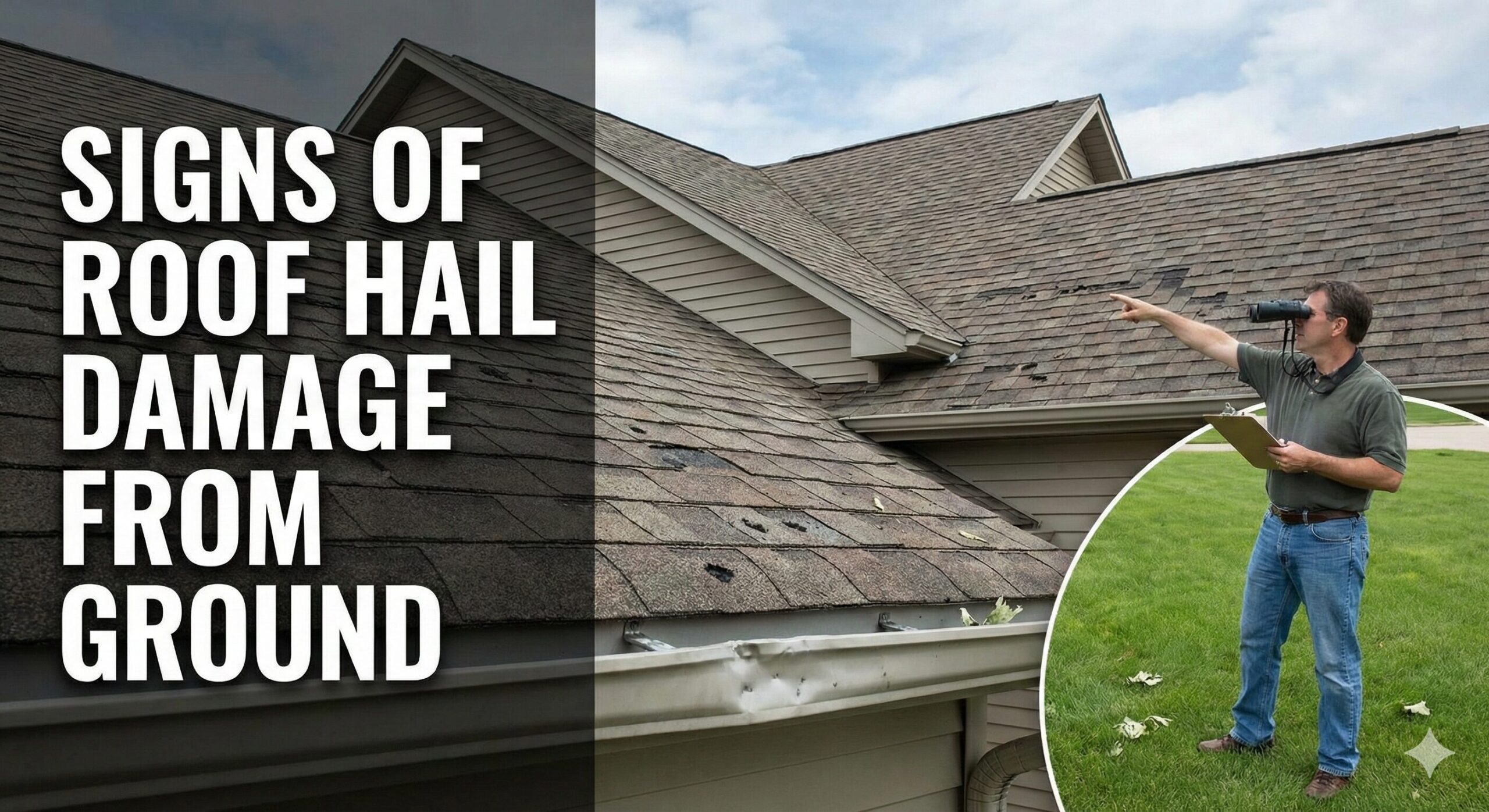
Signs of Roof Hail Damage From the Ground: A Homeowner’s Safety Guide
After a severe thunderstorm passes, the instinct to check your home for damage is natural. However, dragging a ladder out on a wet, slippery driveway to climb onto a steep roof is a recipe for disaster. According to the CDC, thousands of falls occur annually during home maintenance. The good news is that you don’t need to risk your neck to determine if your roof took a beating.
Hail damage leaves clues. Like a detective at a crime scene, you can piece together the severity of the storm by examining “collateral damage” visible from your driveway or yard. This guide will teach you exactly what to look for from the safety of the ground to decide if you need to file a claim.
Why Ground-Level Inspection Matters
A ground-level inspection serves as a preliminary triage. If you see significant damage on your mailbox, gutters, and window screens, there is a 99% chance your roof (which faced the full force of the storm) is damaged. Conversely, if your delicate flowers and aluminum downspouts are pristine, your shingles likely survived too.
This “bottom-up” approach saves you time and keeps you safe. If you spot these signs, you have enough evidence to call a professional for a full assessment.
If you suspect damage but can’t see the top, consider using technology. Check out our review of the best drones for roof inspections to see how you can get a bird’s-eye view safely.
Dented or Damaged Gutters and Downspouts
Your gutters are the “canary in the coal mine.” They are usually made of thin aluminum, which dents much easier than asphalt shingles. If hail was large or hard enough to damage your roof, it will have left a mark on your gutters.
Run your hand along the downspouts. Can you feel small dings or dents? Use a flashlight at a low angle (raking light) to reveal subtle impact marks.
Look at the horizontal gutters. Dents on the bottom or face of the gutter indicate hail size. If they are dented, the shingles above them likely took hits too.
Granules Collecting in Gutters or on the Ground
Asphalt shingles are covered in mineral granules that protect the asphalt from UV rays. When a hailstone impacts a shingle, it acts like a hammer, dislodging these granules.
After the storm, check the splash blocks at the bottom of your downspouts. Do you see a pile of black or gray sand? That is your roof’s protection washing away. Excessive granule loss accelerates roof aging and leads to leaks.
Is it Hail or Just Age? A little bit of granule loss is normal for old roofs. However, if you see a sudden, large accumulation immediately after a storm, that is a strong indicator of impact damage.
If you notice debris building up, it might be time for maintenance. Read about best roof cleaning chemicals to understand how to maintain your shingles properly.
Visible Shingle Dents or Dark Spots
While standing in your yard, use a pair of binoculars to scan the roof slopes. You are looking for:
- Bruising: Dark, round spots where the granules have been knocked off, revealing the black asphalt underneath. These often look like “polka dots” on the roof.
- Missing Shingles: High winds often accompany hail. Look for exposed plywood or underlayment.
- Cracked Tabs: Shingles that have physically snapped or cracked due to the impact force.
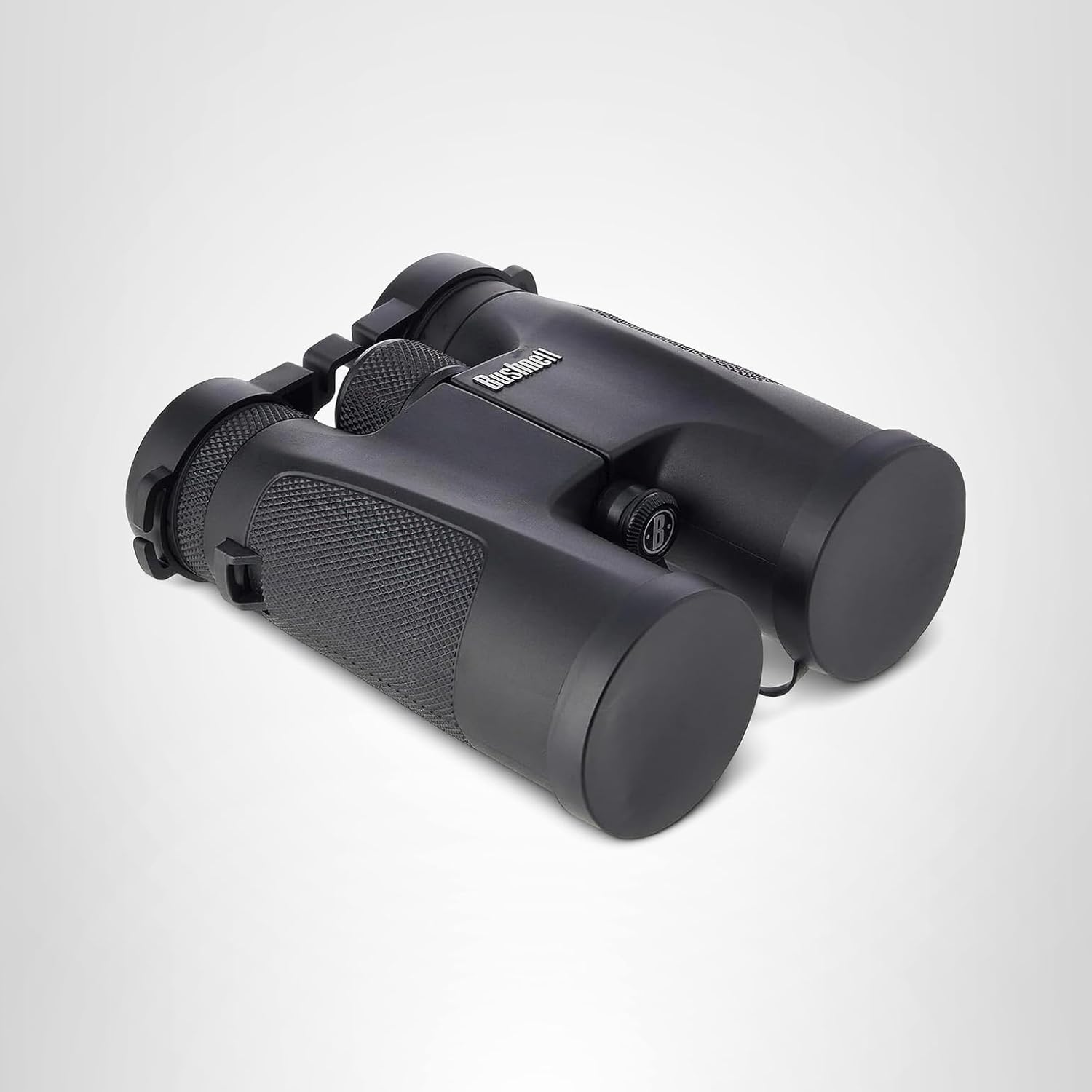
Inspection Essential: High-Power Binoculars
Don’t squint. A good pair of 10×42 binoculars allows you to spot bruised shingles and nail pops from the safety of your driveway.
Check PriceDamage to Roof Vents, Flashing, and Chimney Caps
Soft metals on your roof act like evidence plates. Box vents (turtle vents), whirlybirds (turbines), and chimney caps are usually made of soft galvanized steel or aluminum.
From the ground, look at the silhouette of your roof vents. Do the tops look hammered or textured? Are there dings in the metal flashing around the chimney? If these metal components are dented, the hail was definitely large enough to bruise your shingles.
Siding, Window, and Outdoor Fixture Damage
Hail doesn’t just hit the roof; it hits everything. “Collateral damage” is often the evidence insurance adjusters use to verify the direction and size of the storm.
- Siding: Look for cracks in vinyl siding (often circles or half-circles) or dents in aluminum siding. Look specifically on the side of the house facing the wind direction.
- Window Screens: Screens tear easily. Check for rips or holes.
- AC Units: Check the cooling fins on your outdoor AC condenser unit. Are they mashed flat?
- Mailbox & Cars: If your car hood looks like a golf ball, your roof likely does too.
When Ground Inspection Is Not Enough
Ground inspection has limits. You cannot see micro-fractures in the fiberglass mat of the shingle from 20 feet away. A shingle might look fine from the street but be structurally compromised, leading to premature failure in 2-3 years.
If you see signs of collateral damage (dented gutters/cars), but the roof looks okay from the ground, do not assume it is safe. This is the time to call a professional for a “roof walk” inspection.
Hidden damage often leads to leaks later. Learn how to find a roof leak in the attic if you suspect water is already getting in.
How to Document Hail Damage for Insurance
Documentation is key. Before you call your insurance company:
- Take Wide Shots: Photos of the house from all 4 sides.
- Take Close-ups: Photos of the dented downspouts, the granule piles, and the hail size (place a coin or tape measure next to hail if it’s still on the ground).
- Note the Date: Record the exact date and time of the storm.
If you file a claim and it gets denied, knowing your rights is crucial. Read about what happens if you don’t use insurance money to fix your roof.
When to Call a Roofing Professional
You should call a reputable local roofer if:
- You see ANY dents in your gutters, vents, or downspouts.
- You find significant granule loss.
- Your neighbors are getting their roofs replaced.
- You are unsure. Most roofers offer free inspections because they want the job if damage is found.
Safety Tips for Inspecting From the Ground
Never walk backward while looking up at the roof (trip hazard). Watch for downed power lines after a storm. Wear sturdy shoes in case of broken glass or debris in the yard. And remember: Do not climb the ladder if the roof is wet, if there is debris, or if you are not trained.
Frequently Asked Questions
On asphalt shingles, it looks like a dark “bruise” or a round spot where granules are missing. It may feel soft to the touch (like a bruised apple). On metal roofs, it looks like distinct dents.
Generally, hail needs to be 1 inch (quarter size) or larger to cause significant damage to asphalt shingles. However, smaller hail driven by high winds can also cause damage, especially to older roofs.
Yes! A high-resolution drone is the safest way to inspect a roof. It allows you to see close-up details of the shingles and chimney flashing without leaving the ground.
Hail damage is rarely an immediate emergency unless there are holes. However, it drastically reduces the lifespan of the roof. Delaying repairs can lead to leaks months later and might cause issues with insurance claim deadlines.
Insurance adjusters will inspect the roof for free once a claim is filed. Most roofing contractors also offer free inspections to determine if there is enough damage to warrant filing a claim.