Demystifying the Mansard Roof: Architectural Elegance Meets Practicality
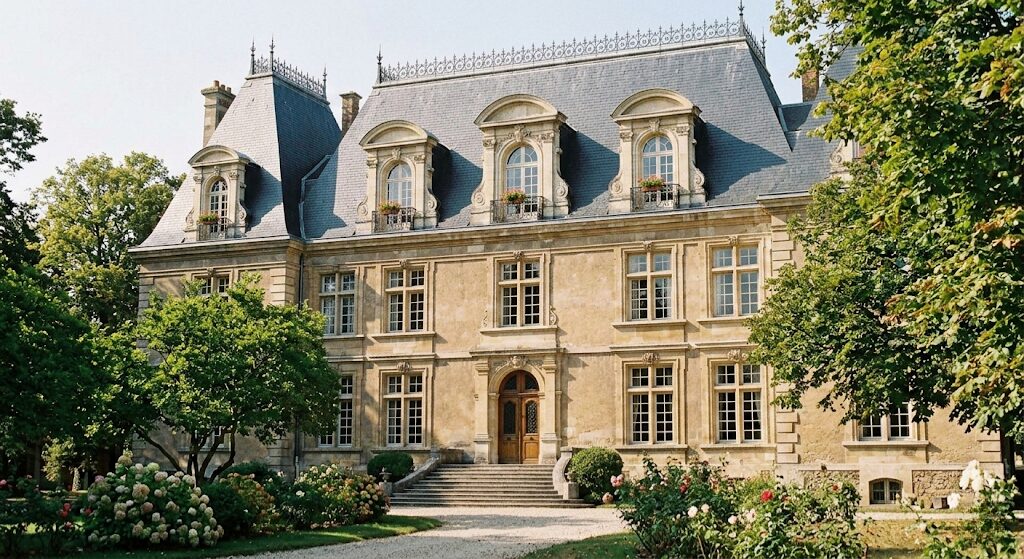
When you close your eyes and picture the romantic, historic skyline of Paris, you are almost certainly visualizing the iconic silhouette of the Mansard roof. Characterized by its distinct, dual-pitched profile and elegant dormer windows, this architectural marvel is much more than just a stylistic choice. It is a brilliant feat of engineering designed to maximize interior space without exceeding strict historical height restrictions.
But how does this centuries-old European design translate to modern residential construction in 2026? Is the distinct curb appeal worth the potentially complex maintenance? In this exhaustive guide, we will dissect the anatomy of the Mansard roof, laying out the definitive pros and cons, cost implications, and structural realities every homeowner and real estate investor must know before committing to this luxurious roofline.
The French Connection: Anatomy & History
To understand the pros and cons of a Mansard roof, one must understand its anatomy. Unlike a standard Gable roof (which has two sloping sides that meet at a central ridge) or a Hip roof (four sloping sides meeting at a ridge), a Mansard roof features four sides, each with a double slope.
- The Lower Slope: The bottom slope is incredibly steep, often almost vertical. This near-vertical wall is what provides the signature look and is typically punctured by ornate dormer windows.
- The Upper Slope: The upper pitch is situated above the steep lower pitch and is almost entirely flat. From the ground level, this upper slope is frequently completely invisible to the naked eye.
The Pros: Why Choose a Mansard Roof? (The Good)
The endurance of the Mansard roof over hundreds of years isn’t purely due to aesthetics; it offers unparalleled practical advantages for maximizing a property’s footprint.
The Advantages of Mansard Roofing
- Maximum Interior Space: This is the primary functional benefit. Because the lower slope is nearly vertical, the attic space directly beneath it does not suffer from the cramped, slanted ceilings associated with traditional gable roofs. A Mansard roof effectively gives you an entire extra story of highly functional, livable square footage (often used as master suites or studios).
- Future Expansion Readiness: If you are building a new home with plans to expand later, a Mansard roof is highly accommodating. Because the structure already acts like a framed wall, adding another story or expanding upward requires significantly less complex structural modification than blowing the roof off a standard gable design.
- Unmatched Aesthetic & Resale Value: A well-maintained Mansard roof screams luxury. It immediately imparts a sense of history, grandeur, and sophisticated European charm. In premium real estate markets, this unique curb appeal can drastically increase property valuation and command higher asking prices.
- Superior Heat Distribution: Heat naturally rises. In a standard house, that heat gets trapped in the tight peak of an unused attic. Because the Mansard’s upper space is wide, square, and highly livable, it is much easier to insulate and integrate into your home’s central HVAC system, ensuring better overall thermal distribution.
- Abundant Natural Light: The near-vertical lower slope is perfectly designed for the incorporation of large, elegant dormer windows. These windows flood the upper level with natural light and cross-ventilation, transforming what would be a dark, dusty attic into the brightest room in the house.
The Cons: Structural Drawbacks (The Bad)
Despite its luxurious appeal, the Mansard roof is a highly complex structure. The unique dual-pitch design creates specific engineering challenges that homeowners must be financially prepared to address.
The Disadvantages of Mansard Roofing
- Poor Weather Resistance (Heavy Snow & Rain): This is the fatal flaw of the Mansard. The upper slope is practically flat. While exploring if flat roofs are good for extreme weather, you’ll learn that flat pitches do not shed water or snow efficiently. In regions with heavy snowfall, the weight accumulates on the flat top, potentially leading to structural sagging or catastrophic leaks if the waterproofing fails.
- High Installation Costs: A Mansard is not a weekend DIY project. The framing is incredibly complex, requiring highly skilled carpenters to engineer the dual pitches, dormer cutouts, and specialized structural supports. Expect installation costs to be 30% to 50% higher than a standard gable roof.
- Increased Maintenance & Repair Bills: Because it essentially acts as both a roof and a wall, it is exposed to double the environmental wear and tear. Furthermore, the flat upper section requires meticulous maintenance, frequent debris removal, and specialized flat-roof sealing systems that degrade faster than sloped shingles. If you are budgeting for the future, factor in a higher routine roof inspection cost due to the complexity of checking both the steep and flat sections.
- Zoning and Permit Nightmares: Because a Mansard significantly alters the height and volume of a structure, many strict modern Homeowner Associations (HOAs) or historic city zoning boards restrict or outright ban their construction in neighborhoods dominated by standard gable profiles.
Best Roofing Materials for Mansard Roofs
Because the Mansard has two distinct slopes, it often requires two distinct materials. What works on the near-vertical bottom slope will not work on the flat top slope. Material selection is critical for longevity.
1. Natural Slate (The Historic Standard)
For the steep, highly visible lower slope, nothing beats the authenticity and prestige of natural slate. It is the material originally used on French estates. Slate is fireproof, utterly impervious to water, and can last upwards of 150 years. However, before committing, you must thoroughly understand the pros, cons, and immense weight structures of slate roofing. Your home’s framing must be heavily reinforced to hold thousands of pounds of stone.
2. Standing Seam Metal
Modern homeowners are increasingly turning to metal for both the steep and flat sections of their Mansard roofs. Standing seam metal offers a sleek, contemporary aesthetic. More importantly, it is highly efficient at shedding snow and water, mitigating the Mansard’s primary weakness. If you are debating a metal roof vs shingles for a 50-year ROI, metal wins handily on a Mansard due to its low maintenance on the vulnerable flat upper pitch.
3. TPO or EPDM Rubber (For the Upper Slope)
Because the top slope is virtually flat and invisible from the ground, aesthetics matter less here. Focus on hardcore waterproofing. TPO (Thermoplastic Polyolefin) or EPDM rubber membranes are commercial-grade flat roofing materials. They act as a continuous, impenetrable pool liner across the top of your house, preventing standing water from leaking into your upper-story master suite.
Architectural Showdown: Mansard vs. Gambrel vs. Gable
It is easy to confuse the Mansard with other complex roof types, particularly the Gambrel (often seen on traditional barns). Here is how they stack up against each other.
| Feature | Mansard Roof | Gambrel Roof (Barn Style) | Standard Gable Roof |
|---|---|---|---|
| Slopes | Double slope on all 4 sides | Double slope on only 2 sides | Single slope on 2 sides |
| Interior Space | Maximum (Full extra story) | High (Great for lofts) | Low (Slanted, cramped attic) |
| Snow/Water Shedding | Poor (Due to flat top) | Good (Steep upper pitch) | Excellent |
| Construction Cost | Very High ($$$$) | Moderate to High ($$$) | Low to Moderate ($$) |
| Best Aesthetic Fit | French Provincial, Victorian, Luxury | Farmhouse, Dutch Colonial, Barns | Ranch, Craftsman, Modern Suburban |
Upgrading the Space: Dormers and Lighting
The defining characteristic of the interior Mansard space is the reliance on dormer windows. Because the lower walls are essentially the roof itself, standard wall windows cannot be installed. Dormers project outward from the sloping roof surface.
When designing or remodeling a Mansard interior, bringing adequate light into these sprawling upper rooms is critical. High-quality dormers are expensive to frame. An increasingly popular, highly insulated alternative is integrating specialized roof windows directly into the slope. These provide massive amounts of natural light without the complex exterior framing of a dormer. Finding the best energy-efficient roof windows that guarantee no leaks is absolutely vital, as the steep pitch means rain will hit the glass directly.
Frequently Asked Questions
Conclusion: Is a Mansard Roof Right for You?
The Mansard roof is a triumph of historic architectural ingenuity, proving that structural elegance and intense practicality can coexist. By effectively neutralizing the wasted space of a standard attic, it transforms the top of your home into sprawling, luxurious living quarters flooded with light from classic dormer windows.
However, this elegance comes at a premium. The complexity of the dual-pitch framing, the necessity for commercial-grade flat waterproofing on the upper deck, and the relentless maintenance required in snowy or highly volatile climates mean that a Mansard roof is not a budget-friendly endeavor. It is a long-term investment in your property’s footprint and aesthetic legacy.
If you are building a custom estate, restoring a historic property, or desperately need to add square footage without violating neighborhood height restrictions, the Mansard is an unparalleled solution. Approach the project with realistic budget expectations, hire specialized flat-roofing and slate professionals, and enjoy the grandeur of bringing a piece of Parisian history to your own skyline.
Ready to Start Your Roofing Project?
Ensure your structure is sound and protected. Browse the highest-rated roofing safety harnesses, materials, and architectural tools used by the professionals.
Shop Pro Roofing Gear on Amazon