
The Ultimate Architectural Showdown: Difference Between a Gable and Hip Roof
Whether you are building a custom home, planning an extensive remodel, or evaluating a property’s durability against severe weather, understanding the structural, aesthetic, and financial differences between gable and hip roofs is paramount.
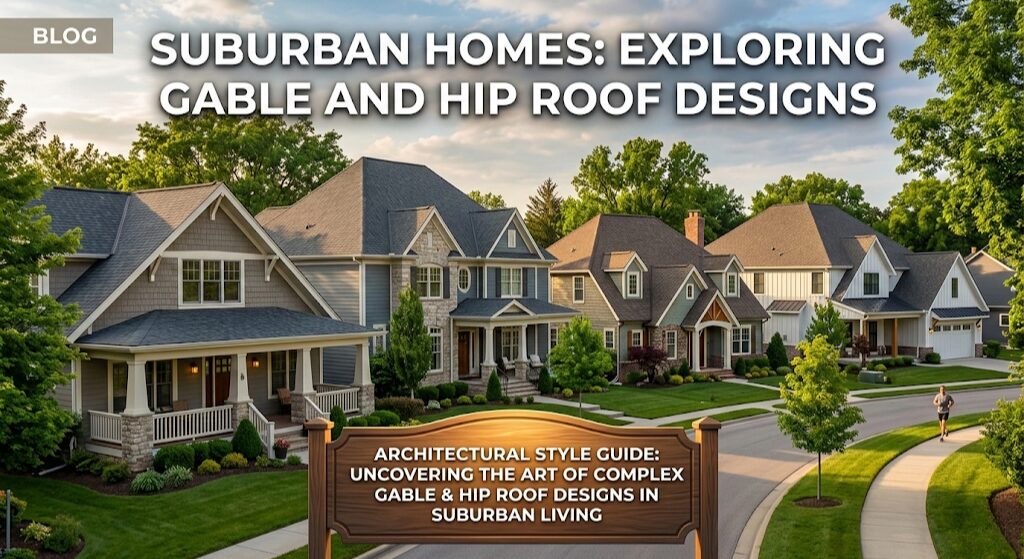
When you look at a house, the roof dictates its entire silhouette. It defines the architectural style, sets the tone for curb appeal, and acts as the primary shield against Mother Nature. While there are dozens of complex roof geometries in modern architecture—from mansard to gambrel—the vast majority of residential homes utilize one of two foundational designs: the gable roof or the hip roof.
At a glance, the difference seems purely cosmetic. One features flat, triangular ends, while the other slopes downward on all four sides. However, beneath the shingles, the difference between a gable and hip roof translates to massive variations in structural engineering, framing costs, interior attic space, and, critically, how the home reacts to severe wind and hurricane conditions.
In this comprehensive guide, we are dissecting the hip vs. gable debate. We will explore their unique anatomies, break down the costs associated with framing them, and help you determine which roof style is the ultimate choice for your specific climate and architectural vision.
What is a Gable Roof? Anatomy of a Classic
A gable roof is the quintessential, universally recognized roof shape. If you ask a child to draw a house, they will almost undoubtedly draw a square with a triangle on top—that triangle is a gable roof.
By definition, a standard gable roof features two sloping sides that meet at a central peak (the ridge). Because there are only two sloping sides, the other two sides of the house feature flat, vertical walls that extend all the way up to the peak of the roof. These flat, triangular sections of the wall are known as the “gables.”
Variations of the Gable Roof
- Front Gable: The front door of the house is located under the flat, triangular gable end.
- Side Gable: The front door is located under the sloping side of the roof, with the gables on the sides of the house.
- Cross Gable: Two gable rooflines intersect at a right angle, creating a more complex footprint and requiring specialized roof valley framing and cutting techniques where the slopes meet.
Because of their simple geometry, gable roofs are incredibly popular in North America. They effortlessly shed rain and heavy snow, making them ideal for temperate and cold climates.
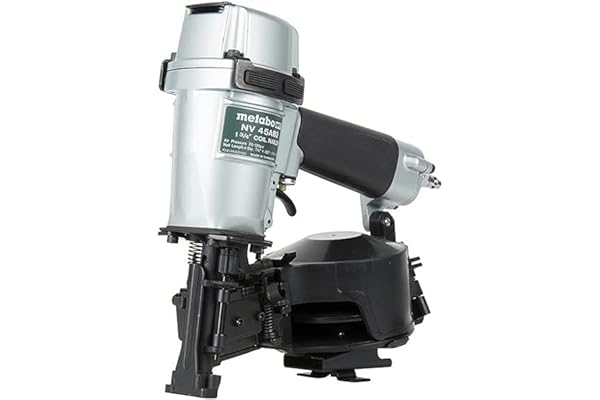
Pro Pick: BOSTITCH Coil Roofing Nailer
Whether you are framing a simple gable roof or installing architectural shingles, a high-grade pneumatic roofing nailer is non-negotiable for speed and code-compliant fastening.
View on AmazonWhat is a Hip Roof? Engineering for Stability
Unlike a gable roof, a hip roof has no flat, vertical ends. Instead, a hip roof slopes downward toward the walls on all four sides of the structure. The outer walls of the house sit under the eaves evenly around the entire perimeter.
The areas where the adjacent sloping sides meet are known as the “hips.” These hips run from the corners of the building up to the central ridge. Because all four sides slope inward, the roof essentially braces itself, creating an incredibly stable, aerodynamic structure.
Variations of the Hip Roof
- Simple Hip: Features a single central ridge where the two long sides meet, with the two shorter ends sloping up to meet the ends of the ridge.
- Pyramid Hip: Used on perfectly square buildings, all four sides slope up to meet at a single, central point rather than a ridge line.
- Cross Hip: Similar to a cross gable, this involves intersecting hip roofs, often used for homes with complex, L-shaped or T-shaped footprints.
Hip roofs are visually distinctive, offering a lower, more grounded profile. They are the dominant architectural style in coastal regions, tropical climates, and areas prone to severe storms due to their exceptional aerodynamic properties.

Essential Gear: Guardian Fall Protection Kit
Hip roofs slope on all four sides, meaning there are no flat gable ends to safely stage materials. OSHA-compliant fall protection is critical when navigating multi-sloped hip roofs.
View on AmazonHead-to-Head Comparison: Gable vs. Hip Roof
To truly understand the difference between a gable and hip roof, we must evaluate how they perform across key metrics: structural engineering, cost, space utilization, and ventilation.
| Feature | Gable Roof | Hip Roof |
|---|---|---|
| Wind Resistance | Poor to Moderate. Flat gable ends catch wind like a sail. | Excellent. Sloped sides deflect wind aerodynamically. |
| Construction Cost | Lower. Simpler framing, fewer materials, standard trusses. | Higher. Complex framing, requires more roofing material. |
| Attic Space / Vaulting | Abundant. High peaks allow for vaulted ceilings and attic rooms. | Limited. Inward slopes severely restrict usable headroom. |
| Snow & Rain Shedding | Excellent. Steep pitch forces precipitation off quickly. | Good, but requires proper guttering on all four sides. |
| Ventilation Strategy | Easy. Can utilize passive gable vents on the flat wall ends. | Requires precision. Must rely on continuous soffit and ridge vents. |
| Curb Appeal | Classic, traditional, Colonial, Tudor, Craftsman. | Modern, French Provincial, Mediterranean, Ranch. |
The Pros and Cons of Gable Roofs
The gable roof has dominated residential construction for centuries for a reason. It is efficient, beautiful, and highly functional in temperate zones.
Gable Advantages
- Cost-Effective Construction: Because they only have two slopes, they are much easier and faster to frame. This translates to lower labor costs and less material waste.
- Superior Attic Space: The vertical walls provide expansive headroom. This makes it easy to convert an attic into a living space, bedroom, or loft.
- Excellent Drainage: The steep, uninterrupted slopes of a gable roof easily shed heavy snow and torrential rain, preventing standing water and leaks.
- Easy Ventilation: You can install large, decorative gable vents on the vertical walls, allowing hot air to escape the attic effortlessly.
Gable Disadvantages
- Wind Vulnerability: The flat, vertical face of a gable end acts like a massive sail. In hurricane-force winds, the roof can catch the wind, causing the entire roof structure to peel off (wind uplift).
- Bracing Requirements: To prevent the gable ends from collapsing inward or blowing outward during storms, they require extensive structural bracing.
- Maintenance: The flat siding on the gable ends requires painting and maintenance, just like the rest of the house exterior.
The Pros and Cons of Hip Roofs
Hip roofs represent a step up in architectural engineering. They sacrifice some interior space in exchange for unparalleled exterior durability.
Hip Advantages
- Unmatched Wind Resistance: The inward slope on all four sides makes the house incredibly aerodynamic. Wind easily glides over the roof rather than slamming into a flat wall.
- Self-Bracing Structure: Because the four sides lean into each other, the roof is self-bracing and structurally far stronger than a gable roof.
- All-Around Eaves: Hip roofs provide overhanging eaves on all four sides of the house, offering superior shade and protecting the exterior siding from sun and rain degradation.
- Lower Exterior Maintenance: With no flat siding on the upper roof level, you never have to paint or maintain a gable wall.
Hip Disadvantages
- Higher Costs: Hip roofs require complex truss systems, more lumber, and significantly more roofing material (shingles, underlayment) due to the increased surface area.
- Less Interior Space: The inward slope on all four sides severely restricts attic headroom, making loft conversions difficult or impossible.
- Increased Leak Potential: The “hips” (the seams where the slopes meet) are vulnerable joints. If not flashed and shingled perfectly, they are prone to water intrusion.
- Guttering Requirements: You must install seamless gutters around the entire 360-degree perimeter of the house, adding to the total project cost.

Precision Framing: Swanson Tool Speed Square
Framing a hip roof requires complex compound angle cuts for the hip and valley rafters. A professional-grade speed square is the most vital tool in a framer’s pouch for calculating exact pitches.
View on AmazonWhich Roof Style is Best for Your Climate?
The difference between a gable and hip roof is never more apparent than when extreme weather strikes. Your geographical location should be the primary driver of your roof design.
Hurricane & High-Wind Zones (Florida, Gulf Coast)
If you live in an area prone to hurricanes or severe windstorms, the hip roof is unequivocally the better choice. The aerodynamic design allows gale-force winds to pass over the structure smoothly. In stark contrast, the flat end of a gable roof acts as a parachute. When exploring hurricane-resistant roofing materials, you will find that a metal or tile hip roof is the gold standard for coastal resilience.
Heavy Snow Regions (Northeast, Midwest)
In areas that receive massive annual snowfall, the gable roof generally holds the advantage. The steep, uninterrupted slopes allow heavy snow to slide off effortlessly. While hip roofs also shed snow, the hip seams and potential valleys (in cross-hip designs) create areas where snow and ice dams can accumulate, leading to leaks.
Framing Materials and Ventilation Challenges
When shingling these roofs, the material choices matter. Because hip roofs feature complex angles and seams, installing asphalt shingles requires significantly more cutting, resulting in 10% to 15% more material waste compared to a straightforward gable roof. If you are choosing between shingle types, understand that architectural shingles provide vastly superior wind resistance on the exposed edges of a hip roof compared to standard 3-tab shingles.
The Ventilation Difference
Proper attic ventilation is critical to prolonging the life of your roof.
- Gable Roof Ventilation: Extremely straightforward. You can place intake vents in the soffits and exhaust vents high up on the flat gable walls. The cross-breeze is natural and highly effective.
- Hip Roof Ventilation: Because there are no flat walls, you cannot use gable vents. Hip roofs must rely entirely on a balanced system of continuous soffit vents (intake) and a continuous ridge vent (exhaust) at the very top. To ensure adequate airflow, doing a ridge vent comparison regarding Net Free Area (NFA) is essential for a hip roof design.