
Mastering the Modern Shed Roof: Architectural Elegance Meets Functional Design
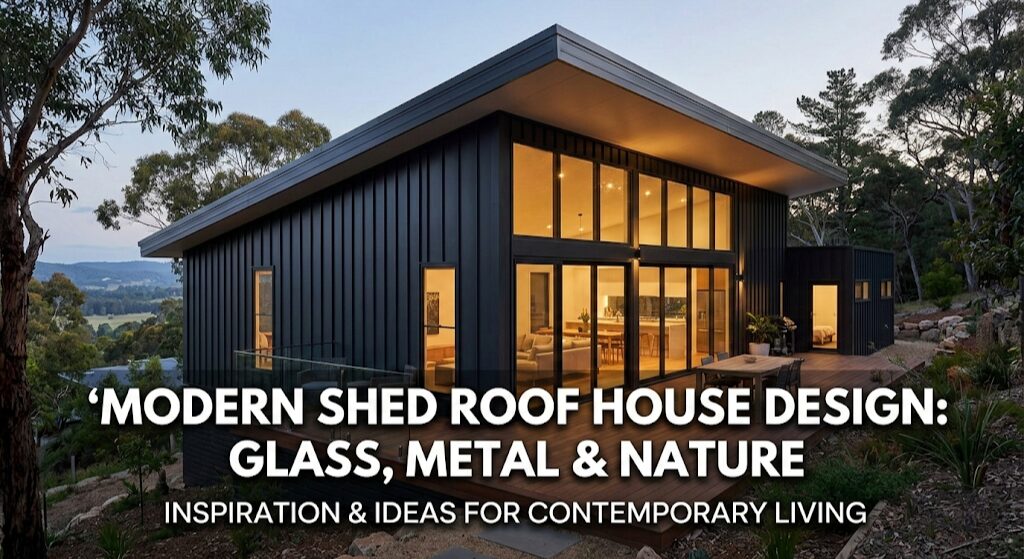
For decades, residential architecture was dominated by the classic gable, the traditional hip roof, and the complex mansard. However, a sweeping paradigm shift is occurring in modern home building. The modern shed roof house design—once relegated strictly to agricultural outbuildings and rustic lean-tos—has undergone a massive architectural renaissance. Today, it stands as the crowning jewel of contemporary, minimalist, and eco-conscious residential architecture.
Characterized by its stark, single-sloping plane, the modern shed roof (often referred to in architectural circles as a “skillion roof”) offers a striking silhouette that breaks the monotony of suburban sprawl. But the appeal of this design extends far beyond mere aesthetics. Architects and homeowners are increasingly embracing the shed roof for its unparalleled functionality. From maximizing solar panel efficiency to creating breathtaking vaulted ceilings flooded with natural light, this structural choice fundamentally alters how a house performs and feels.
In this comprehensive, architecturally grounded guide, we will dissect every facet of the modern shed roof. We will explore the thermodynamics of its slope, the superior materials required to skin it, and the profound psychological impact it has on interior spaces. Whether you are drafting plans for an off-grid cabin or a luxury urban build, understanding the mechanics of the shed roof is paramount.
What Exactly is a Shed Roof?
At its core, a shed roof is the purest distillation of roofing geometry. Unlike a gable roof, which consists of two sloping planes meeting at a central ridge, or a flat roof, which has zero (or negligible) pitch, a shed roof consists of a single, unadulterated flat plane pitched at a steep or shallow angle. It does not intersect with another roof plane; it simply begins at a high wall and slopes downward to a lower wall.
Historically, this style was utilized for home additions (leaning against an existing structure) or simple storage sheds—hence the nomenclature. However, in the mid-20th century, modernist architects began adopting the skillion roof for primary dwellings to achieve clean, asymmetrical lines. Today, a house might feature a single, massive shed roof covering the entire footprint, or a dynamic composition of multiple, intersecting shed roofs pitched in opposing directions (often called a butterfly or split-skillion roof) to create complex, multi-level living spaces.
The Pros & Cons of Single-Pitch Design
Choosing a roof style is one of the most consequential decisions in residential construction. It dictates the structural load, the building budget, and the long-term maintenance requirements. Let’s examine the concrete advantages and the structural caveats of the modern shed roof.
Architectural Advantages (Pros)
- Cost-Effective Construction: With only one plane to frame, shed roofs require fewer rafters, less complex truss manufacturing, and significantly less labor than multi-faceted hip or gable roofs.
- Maximized Solar Potential: A shed roof angled perfectly toward the southern sun (in the Northern Hemisphere) provides an uninterrupted, massive canvas for solar panel arrays, maximizing passive and active solar energy capture.
- Superior Water Management: Because there are no valleys or complex ridges, water and snow have a single, unobstructed path to the ground, drastically reducing the risk of pooling or ice damming.
- Clerestory Fenestration: The design naturally creates a high wall on one side of the house. This high wall is the perfect location for clerestory windows—a row of glass placed high above eye level that floods the interior with ambient light while preserving complete privacy.
Structural Caveats (Cons)
- Reduced Attic Space: The asymmetrical slope eliminates the traditional triangular attic volume, which can reduce storage space and limit areas for running heavy HVAC ductwork.
- Wind Uplift Vulnerability: In high-wind areas, a shed roof acting like a giant sail can be susceptible to uplift. Proper orientation and exploring hurricane-resistant roofing materials are critical during the engineering phase.
- Gutter Overload: Because 100% of the roof’s rainwater is directed to a single edge, the gutter system on that low wall must be oversized and meticulously engineered to handle massive volumes of water during heavy downpours.

Elevate the High Wall: Architectural Exterior Sconces
The towering high wall of a shed roof house demands proper lighting to highlight its architectural scale. Deep-matte black, up-and-down LED cylinder sconces emphasize verticality and provide dramatic evening curb appeal, washing the tall facade in ambient light.
View Modern Sconces on AmazonBest Materials for Modern Shed Roofs
The pitch (angle) of a shed roof heavily dictates the materials you can safely use to skin it. Modern shed designs often utilize lower pitches (ranging from 2/12 to 4/12) to maintain a sleek profile. At these shallow angles, traditional asphalt shingles can fail, allowing wind-driven rain to blow upward underneath the courses. Therefore, material selection is paramount.
1. Standing Seam Metal Roofing
Standing seam metal is the undisputed king of the modern shed roof. The clean, vertical ribs of the metal panels perfectly complement the minimalist aesthetic of the skillion design. Functionally, metal roofs shed water and snow effortlessly. Because the fasteners are concealed beneath the metal seams, the roof is virtually leak-proof even on very low slopes. When weighing your budget, reviewing a metal roof vs. shingles 50-year ROI cost comparison will quickly reveal that while metal has a higher upfront cost, its lifespan makes it vastly superior for shallow-pitch modern homes.
2. TPO and EPDM (For Ultra-Low Slopes)
If your shed roof is bordering on flat (a pitch below 2/12), metal and shingles are structurally inappropriate. You must move to commercial-grade membrane roofing. Thermoplastic Polyolefin (TPO) and Ethylene Propylene Diene Monomer (EPDM) are massive, seamless rubberized sheets glued or mechanically fastened to the roof deck. They create a completely impermeable, swimming-pool-like liner. TPO, which is naturally bright white, also brings immense energy efficiency benefits.
3. Architectural Asphalt Shingles
If your shed roof features a steeper pitch (4/12 or greater), high-end architectural shingles remain a viable and cost-effective option. However, to maintain the modern aesthetic, it is crucial to select sleek, uniform colors—like deep charcoal or slate black—rather than highly variegated traditional shingles that can look busy and detract from the clean lines of the architecture. Furthermore, it is vital to understand the thermodynamics of your choice; researching cool roof science regarding metal vs. asphalt will help you optimize your home’s thermal envelope.
Interior Impact: Vaults, Volume, & Natural Light
The true genius of the modern shed roof is not just how it looks from the curb, but how it radically transforms the interior spatial experience. A traditional flat ceiling creates a static, boxed-in feeling. A shed roof, however, allows architects to expose the interior rafters and follow the angle of the roofline, creating a dramatic, asymmetrical vaulted ceiling.
This soaring volume pulls the eye upward, making even a small footprint house feel massive and airy. The high wall created by the upward slope is the perfect canvas for extensive glazing. By installing continuous rows of clerestory windows, the home is flooded with indirect, ambient sunlight throughout the entire day. Because these windows are located near the ceiling, they vent hot, stale air effortlessly (utilizing the stack effect) while preventing neighbors from peering into your living spaces.
To maximize this natural light without sacrificing thermal efficiency, integrating the best modern roof windows and skylights directly into the sloped ceiling plane can illuminate dark interior corridors and kitchens, turning the roof itself into a massive lighting fixture.

Rethink Drainage: Architectural Rain Chains
Because a shed roof forces all rainwater to a single low-edge gutter, managing that water aesthetically is vital. Ditch the ugly aluminum downspouts. Heavy-duty copper or matte-black rain chains turn a functional drainage requirement into a mesmerizing, cascading water feature that perfectly suits modern architecture.
Browse Rain Chains on AmazonTop 3 Modern Shed Roof House Styles
The flexibility of the single-plane roof allows it to adapt to several distinct architectural languages. Here are the three most prominent trends dominating residential design today.
| Architectural Style | Exterior Finishes | Roof Configuration | Vibe & Aesthetic |
|---|---|---|---|
| Mid-Century Modern Revival | Warm cedar siding, breeze blocks, massive glass panes. | Very low pitch (2/12) extending into deep, exaggerated overhangs to shade the interior. | Retro-chic, organic integration with nature, horizontal focus. |
| Industrial Minimalist | Corrugated metal siding, board-formed concrete, black steel framing. | Steeper pitch (6/12) wrapped in standing seam metal without any eaves (flush edges). | Stark, geometric, urban, rugged, and highly low-maintenance. |
| The Eco-Cabin / Passive House | Shou Sugi Ban (charred wood), sustainable composites. | Optimal solar pitch (based on latitude) entirely covered in photovoltaic panels. | Off-grid, environmentally hyper-conscious, hyper-efficient thermal envelope. |
Frequently Asked Questions
Final Architectural Thoughts
The modern shed roof is far more than a stylistic rebellion against traditional suburban architecture; it is a masterclass in structural efficiency and environmental adaptation. By deliberately discarding the complexity of hips and gables, the skillion roof embraces a purity of form that dictates function. It directs water flawlessly, captures solar energy optimally, and sculpts interior spaces with dramatic volumes and unparalleled natural light.
Whether you are pursuing a stark, industrial metal-clad aesthetic or a warm, wood-wrapped mid-century modern revival, the single-pitch roof provides the ultimate geometric canvas. When engineered thoughtfully with high-performance materials and passive solar principles, a modern shed roof house doesn’t just look spectacular—it performs brilliantly for generations.