
Quick Overview: TPO and PVC Roofing
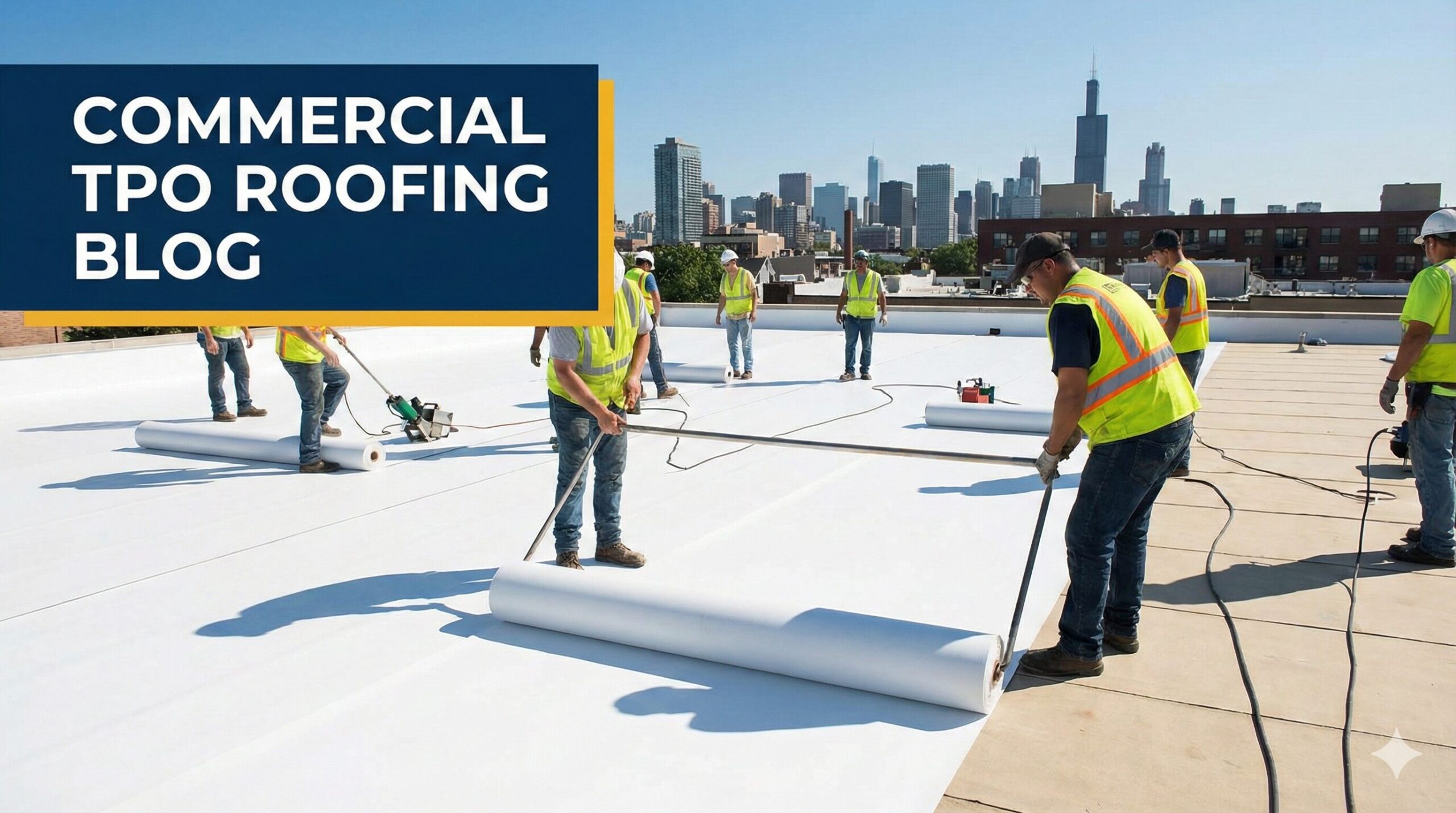
When it comes to single-ply flat roofing membranes, two acronyms dominate the market: TPO (Thermoplastic Polyolefin) and PVC (Polyvinyl Chloride). Both offer excellent energy efficiency, hot-air welded seams for water-tightness, and a modern, clean look.
However, they serve different needs. TPO is the cost-effective, rapidly growing newcomer that is perfect for standard commercial buildings and residential flat roofs. PVC is the time-tested veteran, offering superior flexibility and unmatched resistance to chemicals and grease, making it the go-to for restaurants and industrial facilities.
What Is TPO Roofing?
TPO is a single-ply reflective roofing membrane made from polypropylene and ethylene-propylene rubber polymerized together. It was introduced in the early 1990s as a cheaper, more efficient alternative to PVC. It is naturally flexible and does not require plasticizers to remain pliable.
What Is PVC Roofing?
PVC is a single-ply roofing membrane made from polyvinyl chloride. It has been used since the 1960s. To make the vinyl flexible enough for roofing, liquid plasticizers are added. It is typically reinforced with polyester or glass-fiber mats for strength and is known for its durability in harsh chemical environments.
For a broader comparison of rubber roofs, check out our guide on EPDM vs TPO for flat roofs to see where rubber fits in.
Key Differences at a Glance
| Feature | TPO Roofing | PVC Roofing |
|---|---|---|
| Cost | Lower ($5 – $8 / sq ft) | Higher ($7 – $11 / sq ft) |
| Chemical Resistance | Good | Excellent (Grease/Acids) |
| Lifespan | 15 – 25 Years | 20 – 30 Years |
| Flexibility | Stiffer in cold | Highly Flexible |
| Market Share | High (Standard Commercial) | Niche (Restaurants/Airports) |
Material Composition and Durability
TPO relies on its chemical formulation for flexibility. It resists mold growth, dirt accumulation, and tears effectively. However, early generations of TPO suffered from heat cracking. Modern formulations are robust, but quality varies significantly between manufacturers.
PVC is naturally rigid and relies on plasticizers to be flexible. Over decades, these plasticizers can migrate out of the material, leading to brittleness. However, modern high-quality PVC (like KEE roofing) is incredibly stable. PVC has a higher breaking strength than TPO, making it more resistant to punctures from hail or foot traffic.
If you are considering PVC for its longevity, read our detailed PVC roofing pros and cons analysis.
Energy Efficiency and Reflectivity
Both TPO and PVC are superstars in the “Cool Roof” category. They are typically white (though available in grey and tan) and are highly reflective.
They reflect UV rays rather than absorbing them, which keeps the building interior cooler and reduces the load on HVAC systems. Both materials meet Title 24 energy efficiency standards in places like California. TPO tends to hold its reflectivity slightly longer over time because it is less prone to bacterial growth than some PVC formulations.
Chemical and Fire Resistance
This is the deciding factor for many businesses.
- PVC is King of Chemicals: PVC is highly resistant to animal fats, greases, and oils. If you are roofing a restaurant with kitchen exhaust vents on the roof, you must use PVC. Grease will cause TPO to swell, curl, and deteriorate rapidly.
- Fire Resistance: Both materials typically achieve a Class A fire rating when installed correctly. However, PVC is naturally self-extinguishing due to its chlorine content, making it exceptionally safe.
Installation Process & Costs
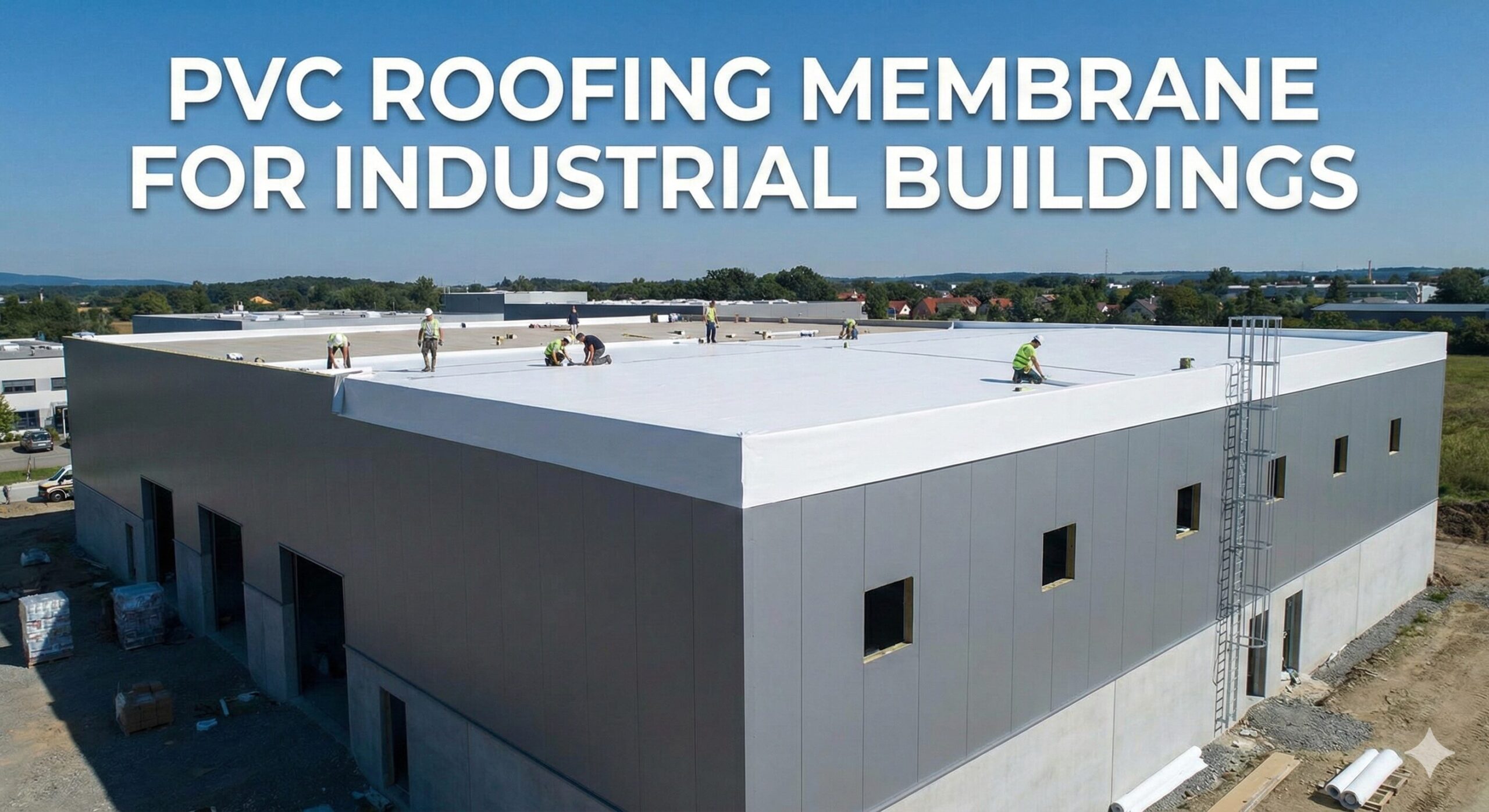
The installation method for both is nearly identical. They can be fully adhered (glued), mechanically attached (screwed down), or ballasted (held by stones). The seams for both are hot-air welded at temperatures around 1,000°F. This fuses the sheets into a single, monolithic membrane, which is far superior to the taped seams of EPDM rubber roofs.
Cost Comparison: TPO is generally cheaper to manufacture, leading to lower material costs. PVC requires more expensive ingredients (plasticizers) and manufacturing processes.

Professional Heat Gun Kit
Essential for welding TPO and PVC seams or making small patch repairs. Variable temperature control is a must.
Check PriceMaintenance and Repair Needs
Both roofs are low maintenance, but “low” doesn’t mean “no.” You should inspect the roof annually for debris, clogged drains, and punctures.
Repairing TPO: As TPO ages, the surface can oxidize, making it difficult for new patches to weld properly. It requires aggressive cleaning and specialized primers before patching.
Repairing PVC: PVC remains weldable for most of its life. It is generally easier to patch an old PVC roof than an old TPO roof.
To extend the life of your flat roof, consider applying a coating. Check our list of the best roof coatings for flat roofs.
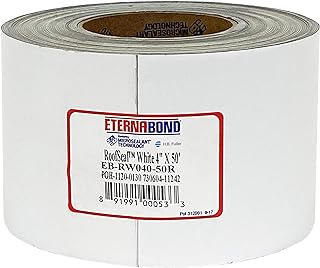
Eternabond RoofSeal Tape
The ultimate emergency fix for TPO and PVC punctures. Stops leaks instantly and bonds permanently.
Check PricePros and Cons Comparison
- More affordable material cost.
- Excellent UV resistance (Cool Roof).
- Does not use plasticizers (environmentally friendly).
- Widely available and familiar to contractors.
- Quality varies by manufacturer.
- Poor resistance to grease and oils.
- Harder to weld/repair as it ages.
- Stiffens significantly in cold weather.
- Superior chemical and grease resistance.
- Highly flexible, even in low temps.
- Long track record of performance (since 1960s).
- Self-extinguishing (fire safety).
- Higher upfront cost.
- Plasticizers can migrate over time (brittleness).
- Not compatible with asphalt products (needs separator).
Choosing between TPO and PVC comes down to your budget and your building’s function.
Choose TPO Roofing If:
- You want the most cost-effective white roof.
- You have a standard office, warehouse, or residential flat roof.
- There are no restaurants or grease vents on the roof.
- You are looking for a “Green” solution without plasticizers.
Choose PVC Roofing If:
- You are roofing a restaurant, airport, or industrial plant.
- The roof will be exposed to grease, oil, or chemicals.
- You prioritize longevity and a proven track record over cost.
- You are in a region with extreme temperature fluctuations.
Need to patch a leak before replacing? See our guide to the best roofing tape for quick repairs.
Frequently Asked Questions
Yes, both membranes are durable enough to withstand occasional foot traffic for maintenance. However, for high-traffic areas (like HVAC access), you should install walkway pads to prevent punctures and wear.
Yes, in many cases, both can be installed over an existing roof (re-cover) if the underlying insulation is dry and the structure can support the weight. PVC, however, cannot touch asphalt directly and requires a separator sheet.
Both are excellent for solar. Their reflective white surfaces increase the efficiency of bi-facial solar panels (which absorb reflected light from the roof). TPO is often chosen for large solar projects due to lower cost.
PVC had issues with shrinkage in the past due to plasticizer migration, but modern KEE formulations have largely solved this. TPO generally does not shrink, but it can expand and contract with thermal cycles.
It is generally not recommended to paint them, as paint adheres poorly to the smooth surface and can flake off. If you need to restore the surface, use a specialized silicone or acrylic roof coating instead.